


 English
 русский
 Español


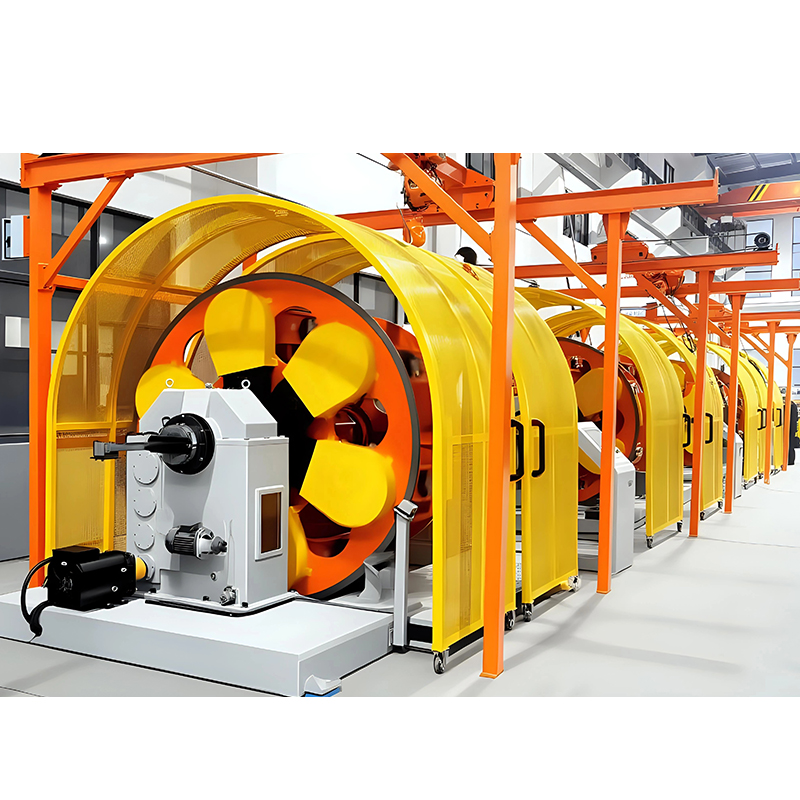
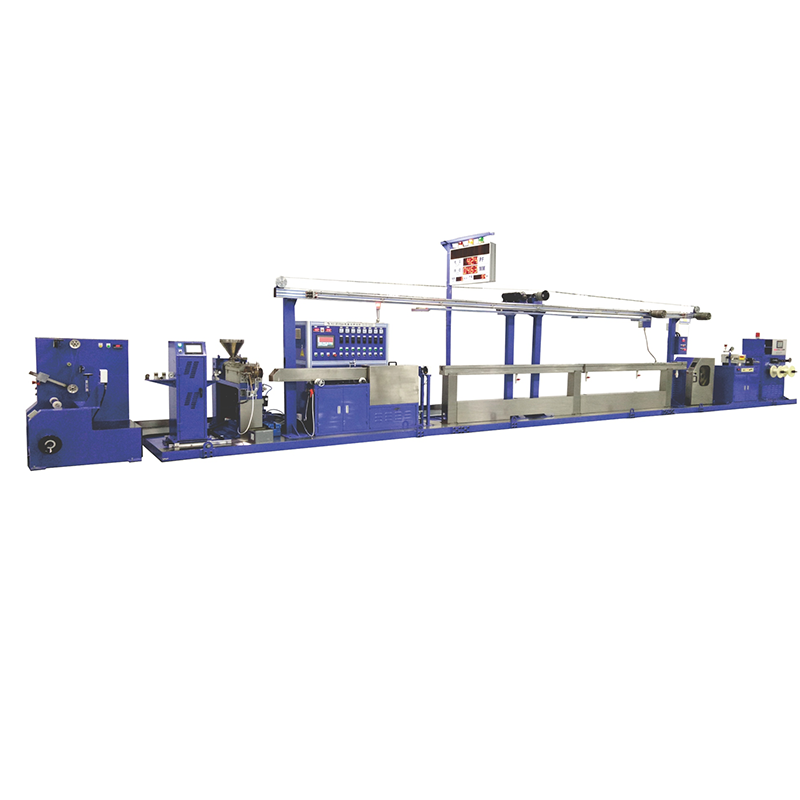
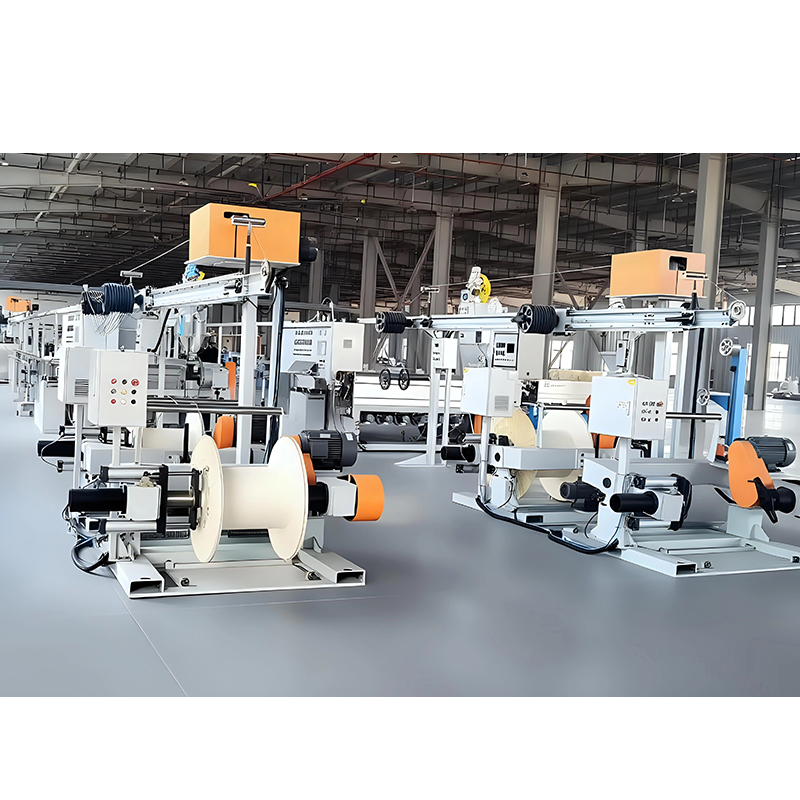


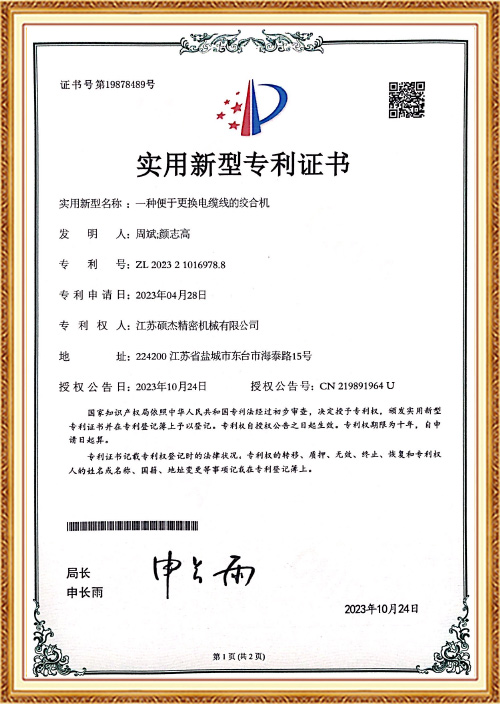
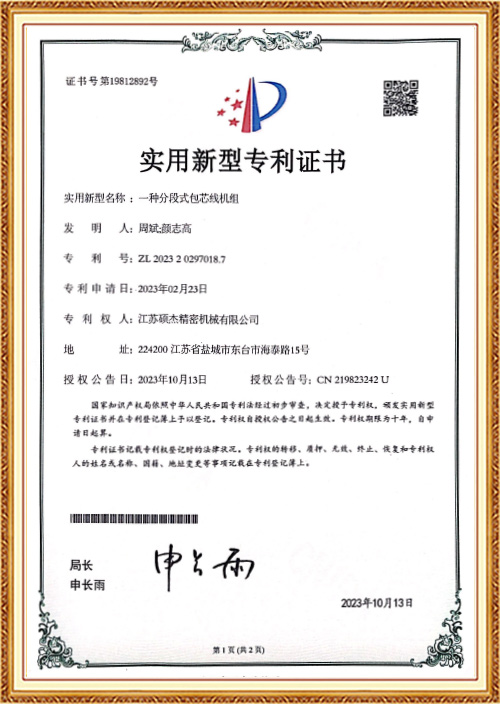
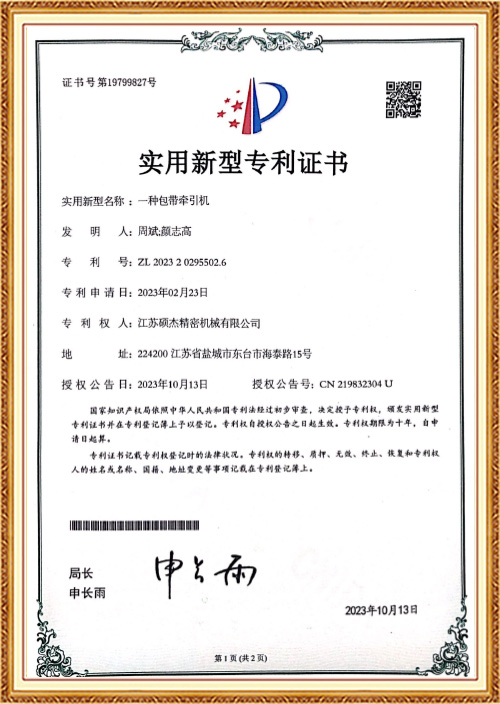
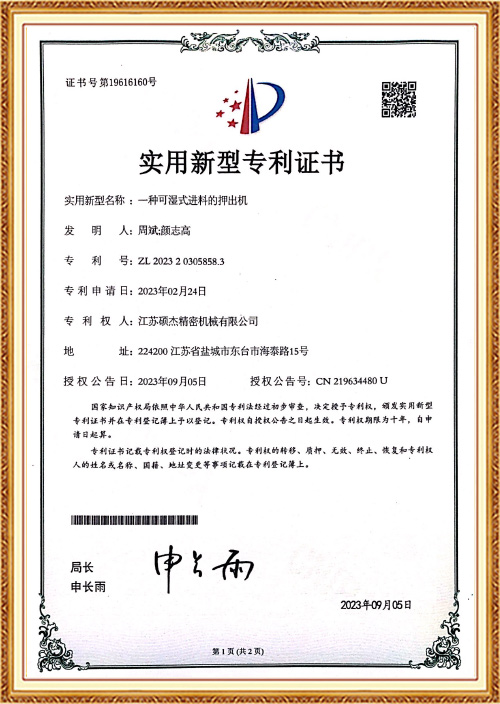
Global standards for conductor stranding include specifications for wire diameter, number...
Technical Specifications
| Machine Type | Tubular / Planetary / Rigid Frame / Drum Twisting |
| Conductor Count | 7 to 127 wires (single and multi-layer configurations) |
| Wire Gauge Range | AWG 38 – AWG 4 / 0.08 mm – 6.0 mm |
| Stranding Speed | Up to 2,500 RPM (flyer); linear speed up to 150 m/min |
| Lay Length Range | 5 mm – 500 mm (infinitely adjustable via servo) |
| Tension Control | Servo-driven dancer arm; ±0.5% tension repeatability per payoff |
| Capstan Diameter | 200 mm – 630 mm (interchangeable) |
| Take-up Bobbin | PN125, PN200, PN250, PN400 flanged bobbins or custom |
| Stranding Direction | S / Z alternating or fixed (programmable per layer) |
| Frame Material | Heavy-duty cast iron, precision machined and stress-relieved |
| Drive System | AC servo main drive; individual payoff servo tensioners |
| Control System | PLC + 10" touch HMI; recipe storage ≥500 product profiles |
| Communication | Ethernet/IP, Profinet, OPC-UA (MES/SCADA compatible) |
| Power Supply | 380/400/480 V, 3-phase, 50/60 Hz (configurable) |
| Protection Class | IP54 main enclosure; IP65 operator panel |
| Certifications | CE, UL (optional), RoHS compliant |
| Optional Features | Filler insertion, binder/tape application, inline laser OD gauge, MES data export |
Applications
Specialty Cable Stranding Equipment serves as the production backbone for a wide range of critical cable types across multiple industries. Below are the primary application sectors and the specific cable constructions our equipment is optimized to produce.
- Subsea & Offshore — Umbilical cables for ROV and subsea control systems require precise multi-layer stranding of power, hydraulic hose bundles, and signal cores. Our rigid frame stranders handle the heavy cross-sections and large bobbin weights common in offshore cable manufacturing.
- Aerospace & Defense — MIL-spec airborne wiring harnesses demand tight lay length tolerances and consistent electrical performance across temperature extremes. Our low-residual-torsion stranding technology is specifically suited to fine-gauge silver-plated copper conductors used in aircraft and military vehicles.
- Industrial Automation — Servo cables, encoder cables, and bus cables for robotic work cells require highly flexible stranded conductors with consistent electrical properties under repeated flexing. Planetary stranders with fine pitch capability produce the 7×7 and 19×19 rope-lay conductors that these applications demand.
- Power Transmission — Stranding of aluminum and copper ACSR and XLPE power cables for medium- and high-voltage grid distribution. Rigid frame stranders and tubular stranders handle multi-wire aluminum layer stranding at high throughput rates.
- Medical Devices — Ultrasound transducer cables, patient monitoring leads, and catheter cables require ultra-fine stranding with biocompatible materials. Our precision tension systems handle sub-0.1 mm wire without breaks or surface damage.
- Telecommunications — Multi-pair LAN cables, coaxial assemblies, and fiber optic loose-tube cables benefit from consistent lay length to maintain characteristic impedance and crosstalk performance through the length of each reel.
- Automotive — High-voltage battery cables for EVs and hybrid vehicles, as well as sensor leads and CAN bus cables, are produced on our stranders with full process traceability to meet automotive supplier quality requirements (IATF 16949).
- Oil & Gas (Land) — Armored instrumentation cables, thermocouple extension cables, and explosion-proof control cables for hazardous area installations are common production items on our specialty stranding lines.
Key Advantages
- Ultra-Precise Lay Length Control — Servo-driven linear advancement ensures lay length deviation stays within ±1% across full bobbin traverses, maintaining electrical consistency from the first meter to the last.
- Zero-Torsion Stranding Technology — Integrated torque-balance compensation eliminates residual twist stress in finished conductors, essential for signal integrity in instrumentation and data cables.
- Individual Wire Tension Regulation — Each payoff position is independently servo-controlled, preventing wire migration and ensuring uniform cross-sectional geometry even when mixing wire diameters within a single stranding pass.
- High Throughput Without Quality Compromise — Optimized flywheel mass distribution and balanced rotating assemblies allow high RPM operation without vibration-induced quality degradation, maximizing productive output.
- Rapid Product Changeover — Recipe-based HMI control with parameter recall reduces setup time between production runs from hours to minutes, improving line utilization in multi-product environments.
- Full Production Traceability — OPC-UA and MES connectivity enable real-time process data capture, supporting quality management systems and customer documentation requirements.
- Low Maintenance Design — Centralized lubrication, sealed bearing assemblies, and long-life servo drives minimize unplanned downtime and reduce total cost of ownership over the equipment life cycle.
- Flexible Configuration — Modular machine architecture supports future capacity expansion, additional stranding heads, or integration of inline measurement and marking systems without full-line replacement.
- Energy Efficiency — Regenerative servo drive systems recover braking energy during deceleration phases, reducing overall energy consumption by up to 18% compared to conventional induction drive systems.
Material and Structure
The structural and mechanical integrity of a stranding machine is the foundation of consistent product quality. Our Specialty Cable Stranding Equipment is built with a clear philosophy: every component in the load path is designed for precision under sustained dynamic stress, and every interface between rotating and stationary elements is engineered to maintain geometric accuracy over decades of operation.
- Machine Frame — Fabricated from stress-relieved cast iron or heavy-gauge welded steel, depending on the machine series. Frame sections are precision-machined on CNC boring mills to maintain spindle bore concentricity within 0.01 mm. Finite element analysis (FEA) is used during design to identify and eliminate resonance frequencies within the operating RPM range.
- Spindle Assemblies — Ground and hardened alloy steel spindles run in precision angular contact bearings preloaded to eliminate axial and radial play. Bearing housings are sealed and grease-lubricated for extended service intervals, with temperature sensors available as an option for condition monitoring.
- Flyer Arms — Manufactured from high-tensile aluminum alloy or carbon fiber composite (depending on speed rating) to minimize rotating mass while maintaining rigidity. Wire guide rollers are ceramic-coated to reduce friction and prevent surface damage to fine-gauge wires.
- Capstan and Haul-off — Multi-groove synthetic rubber-lined capstans provide consistent traction without wire marking. Capstan drive systems use direct-coupled servo motors with integrated encoders for speed-synchronization with the stranding head.
- Die Heads and Closing Dies — Tungsten carbide closing dies are available in a full range of bore sizes. Die holders are precision-bored and allow rapid die exchange during product changeover. Optional die cooling circuits extend die life when stranding high-tension aluminum conductors.
- Control Cabinet — IP54-rated steel enclosures house the PLC, servo drives, and safety relays. Components are mounted on DIN rail for easy maintenance access. Thermal management uses forced-air cooling with filtered intake to protect electronics in industrial environments.
- Wire Guides and Formers — All wire-contact surfaces use hardened stainless steel or ceramic-coated materials to prevent wire contamination and minimize surface wear over long production runs.
