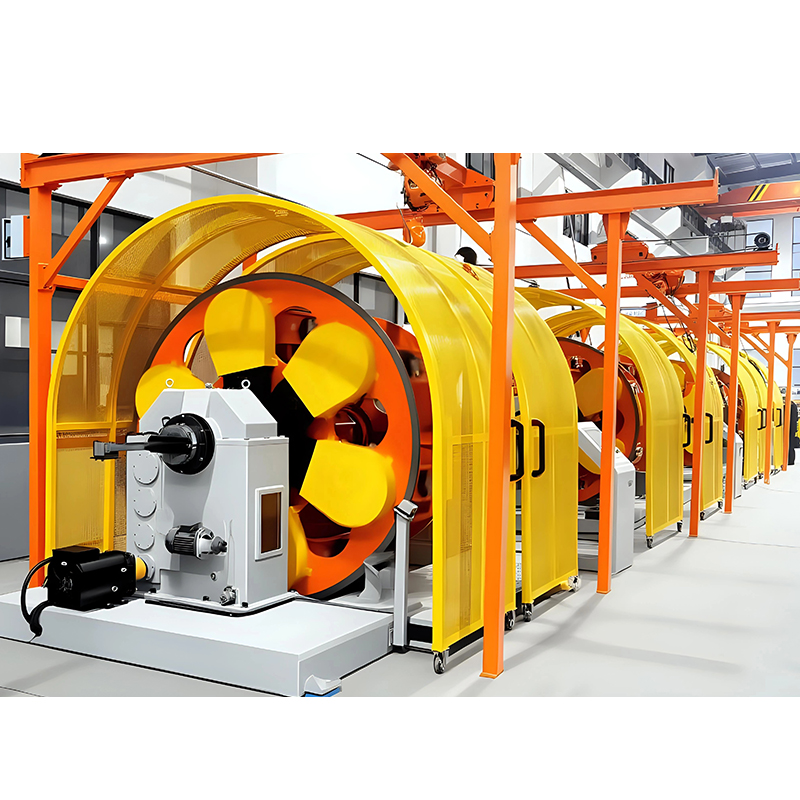
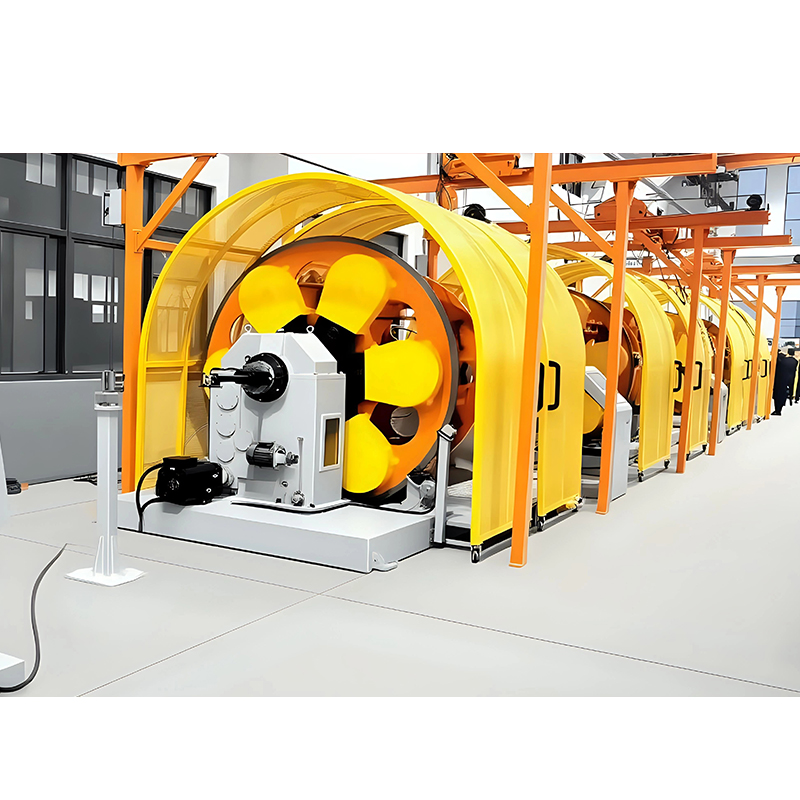
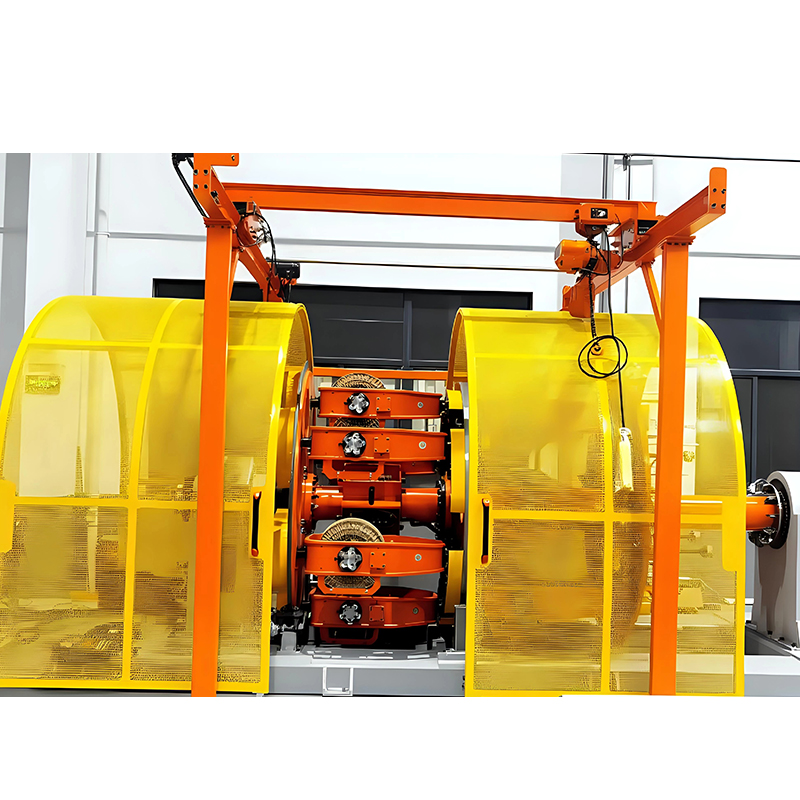
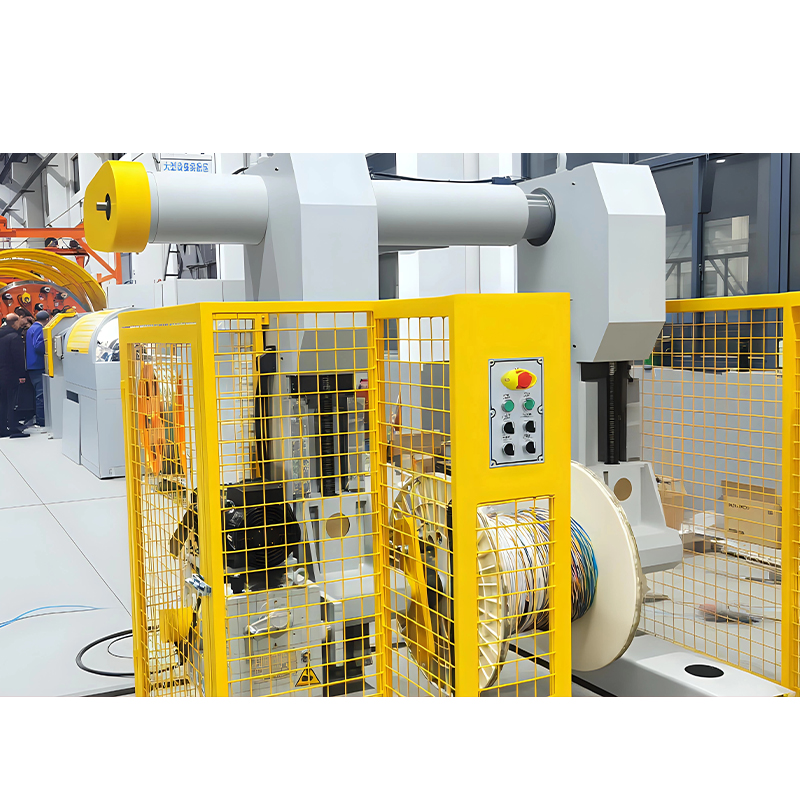
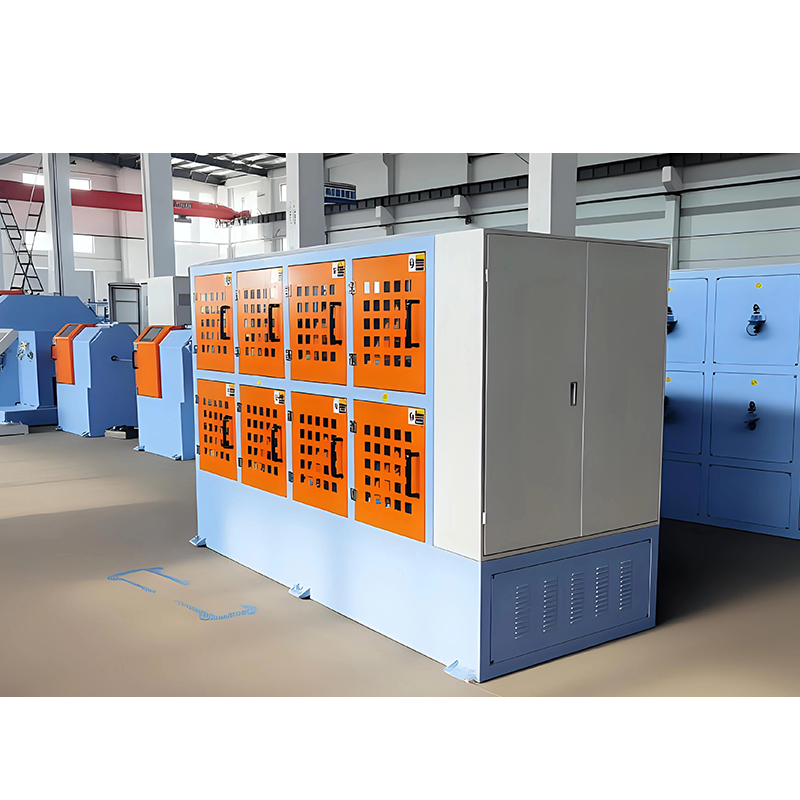
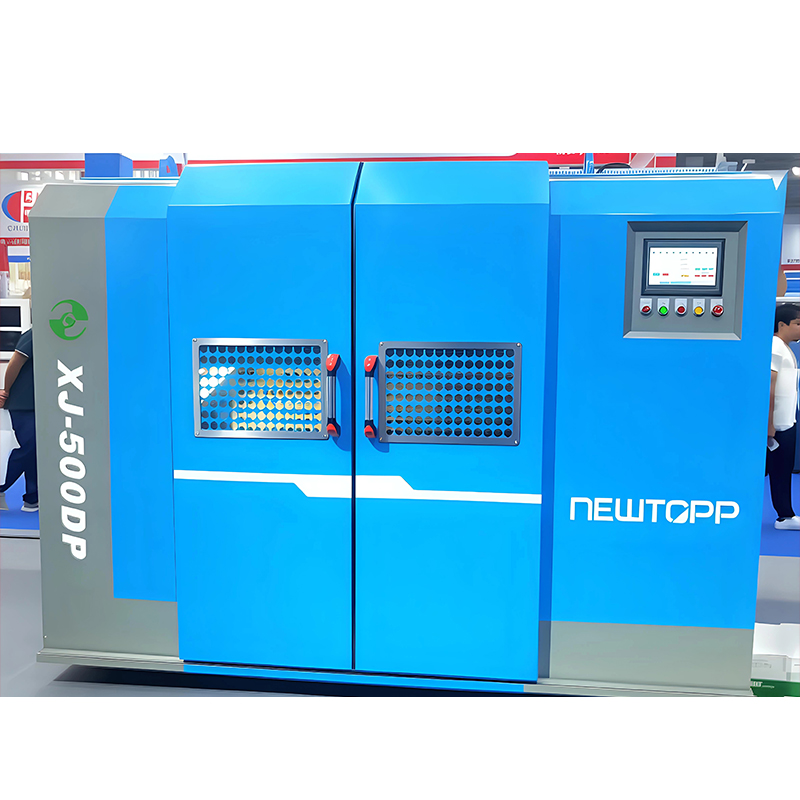
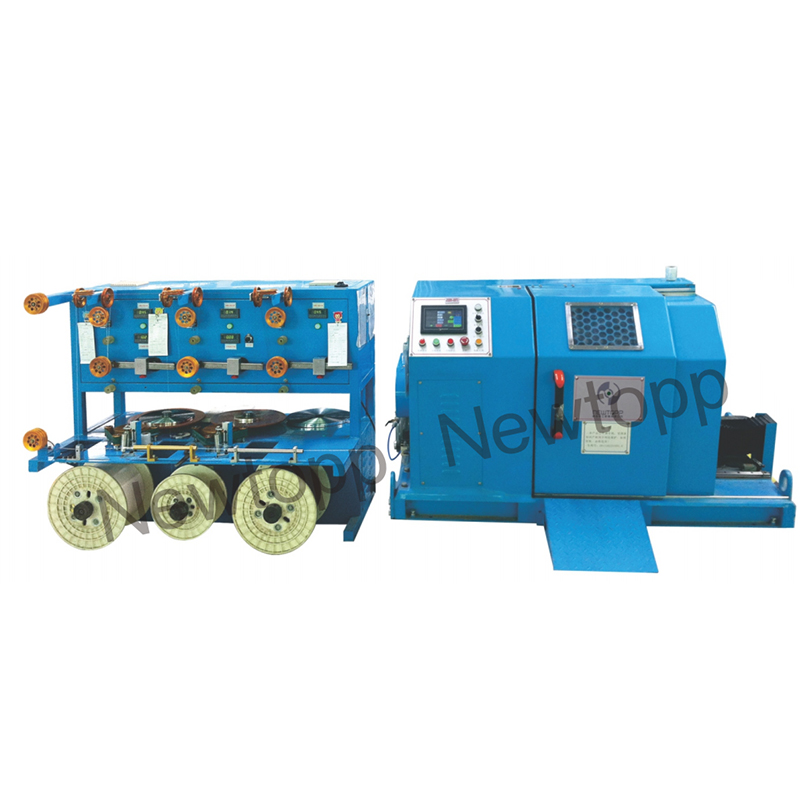
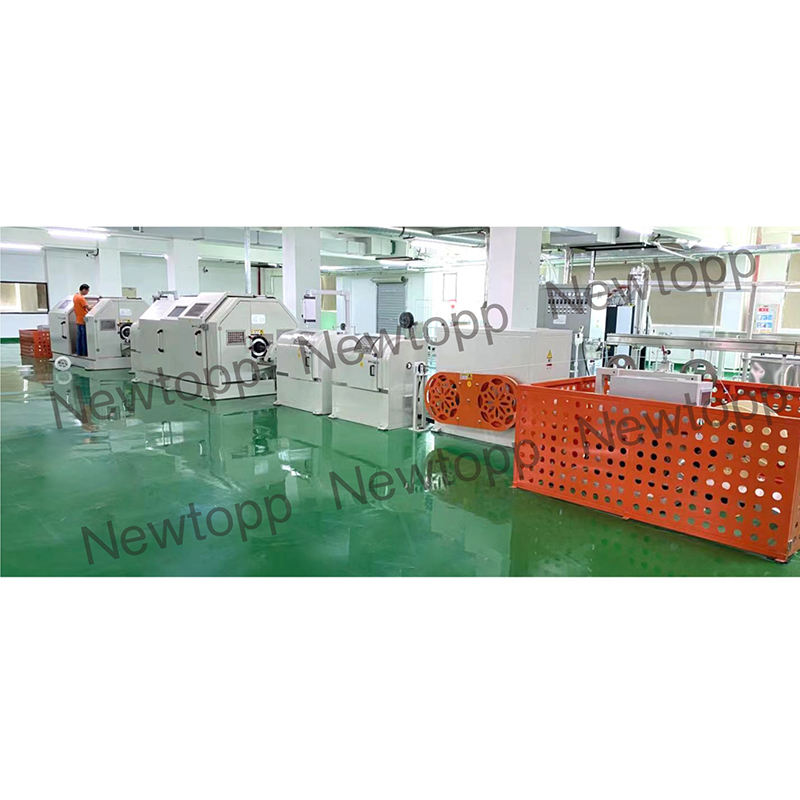
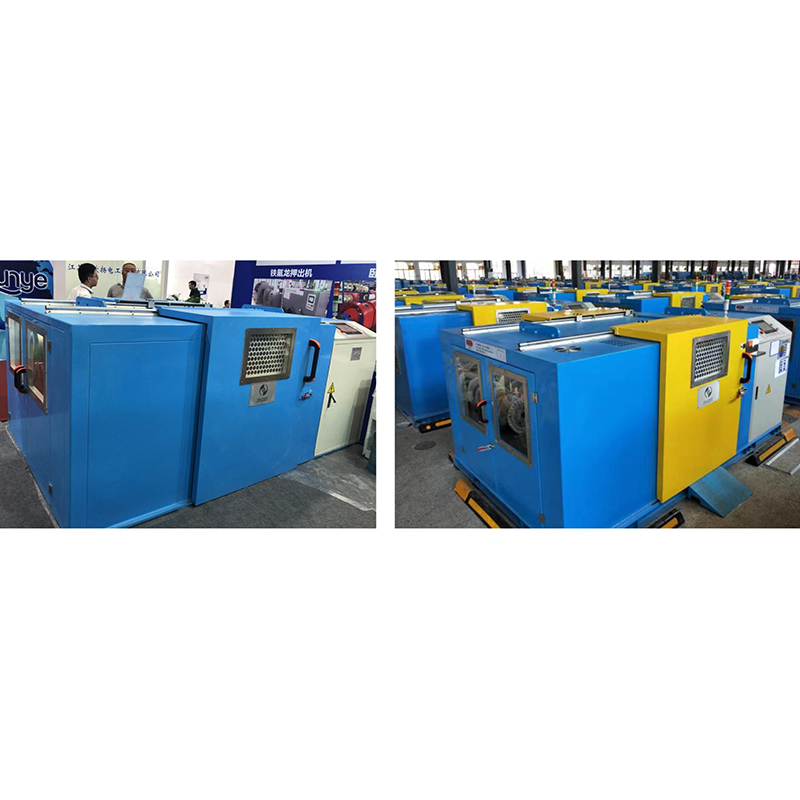
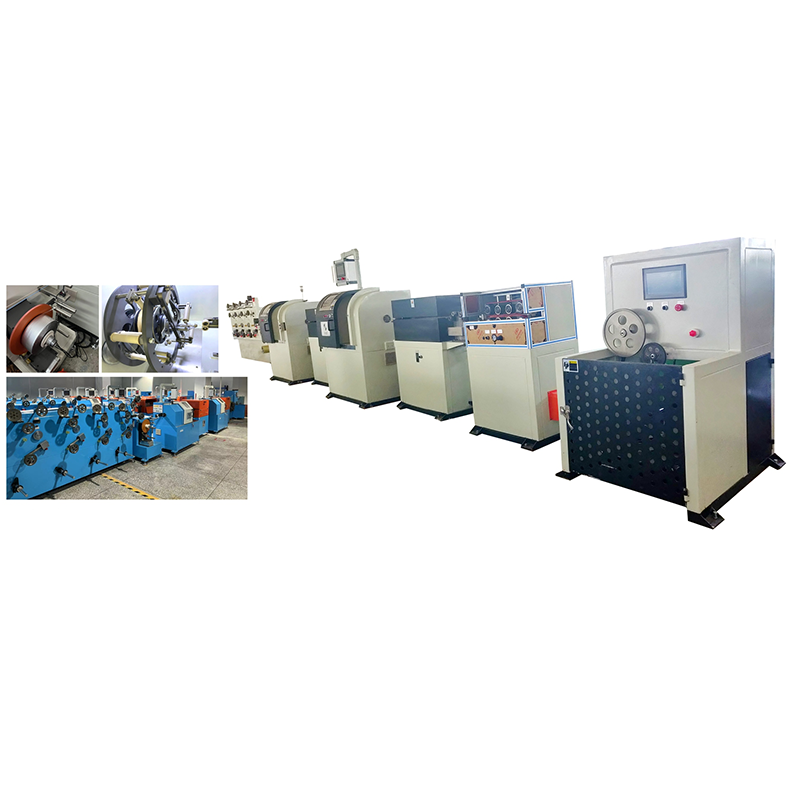
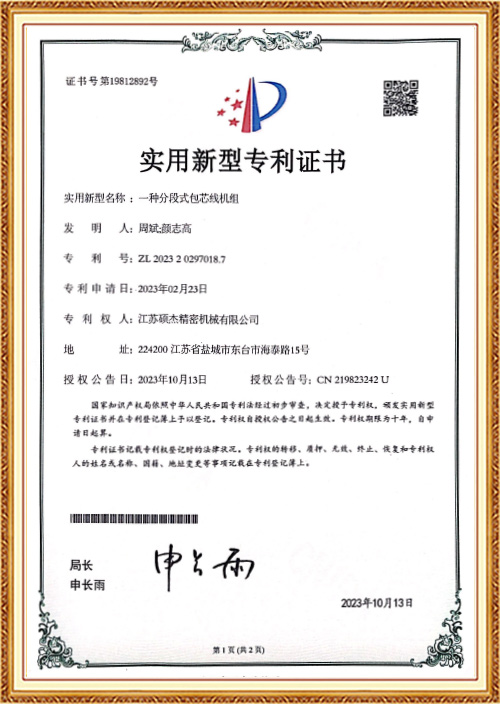
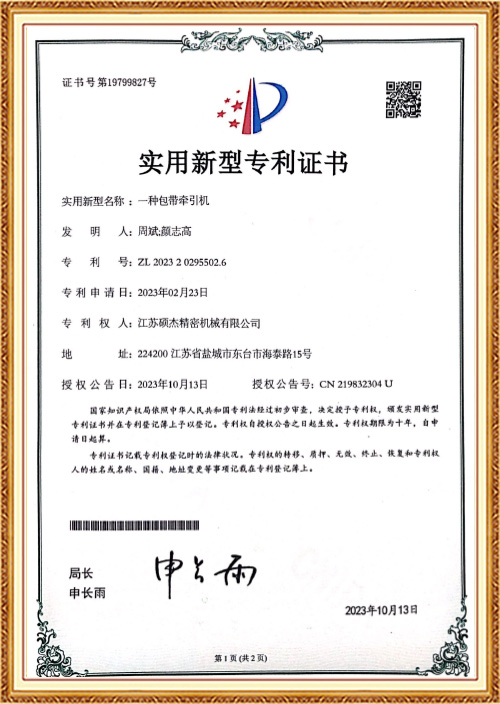
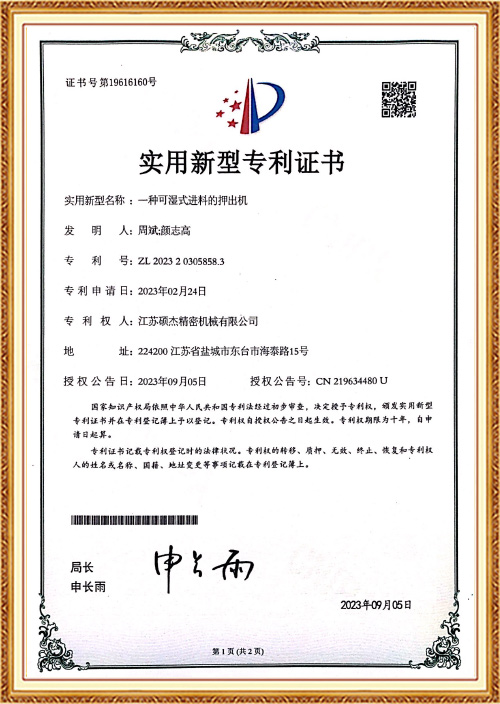
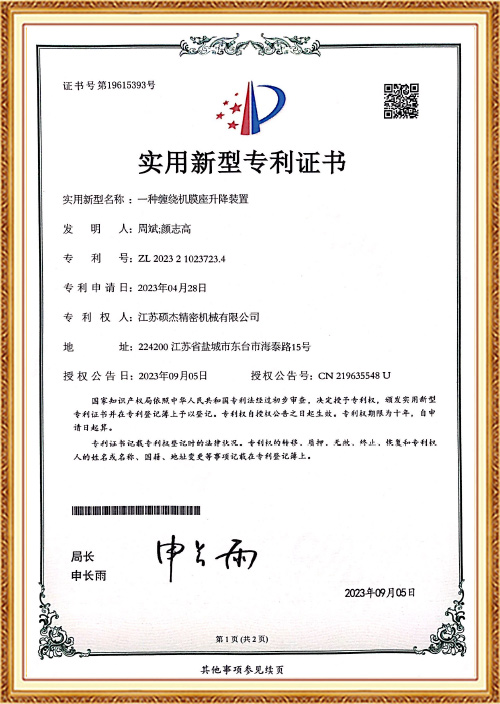
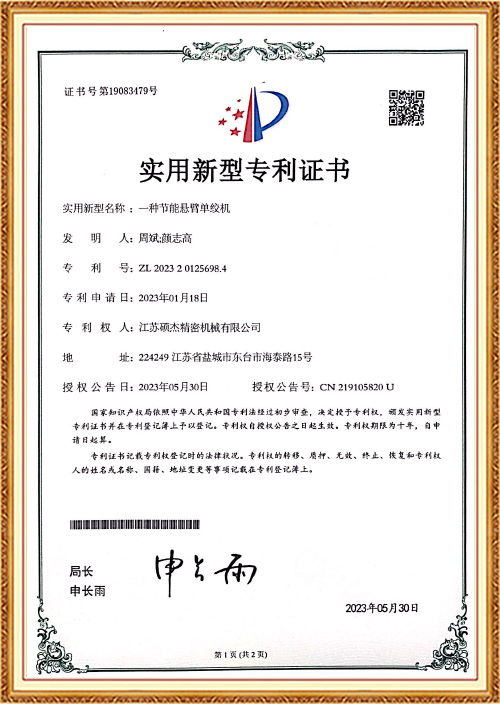
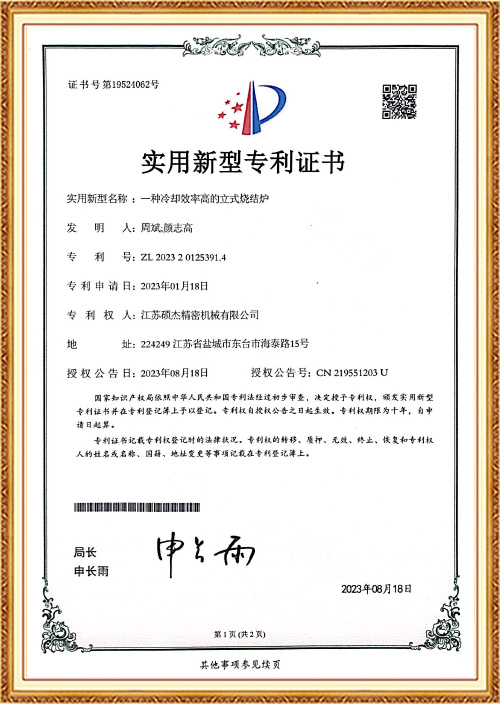
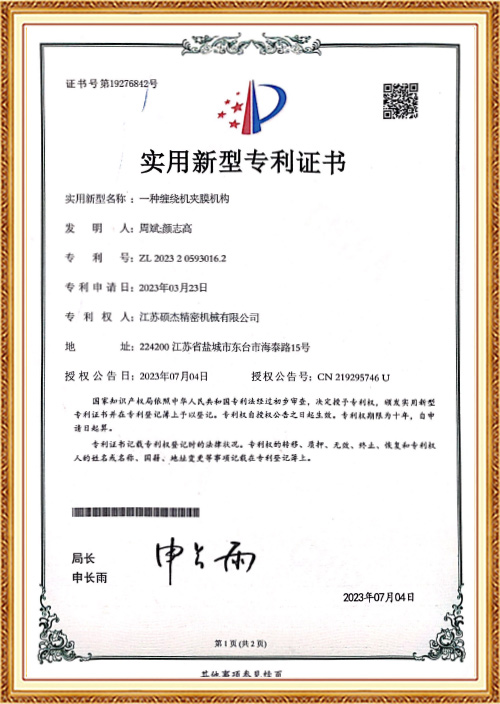
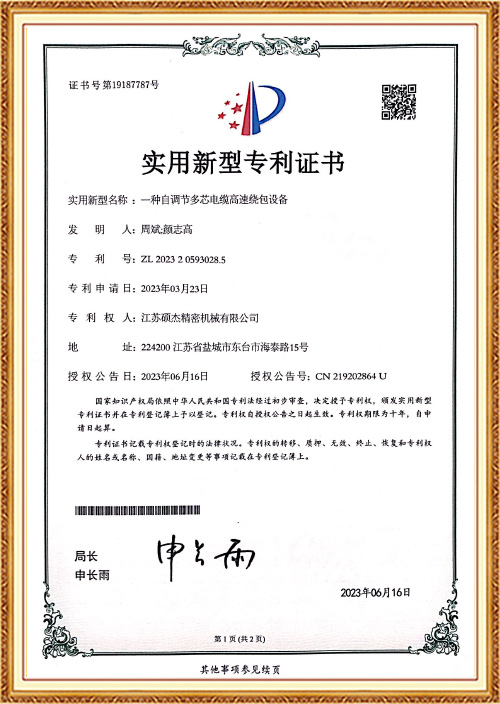
The Planetary Stranding/Pair Twisting Machine serves as core equipment for manufacturing high-performance, complex precision cables. It is specifically designed for the production of specialty cables demanding extremely high standards for electrical performance, mechanical strength, flexibility, and consistency. This equipment operates on a precision coordinated motion principle, enabling multiple cores to rotate and travel precisely and synchronously around a central axis, mimicking celestial orbital motion to ensure optimal geometric symmetry and structural stability during the stranding process. The Planetary Stranding Machine effectively controls internal residual stress within the cores during high-speed stranding, preserving the original physical properties of the wire, and completes stranding along with double-layer shielding/protection wrapping through an integrated continuous process, significantly enhancing production efficiency and product uniformity.
Core Technical Principles
Planetary Motion Architecture: Utilizes a unique planetary gear transmission system, allowing multiple payoff units to perform compound revolution around the central take-up axis along with their own rotation, achieving precise lay length control and tension balance.
Stress Optimization Mechanism: Employs reverse torque compensation technology to actively counteract torsional stress during stranding, minimizing wire spring-back tendency to ensure dimensional stability and long-term service reliability of the finished cable.
Integrated Process Module: Combines stranding, shielding wrapping (foil + braid), and taping processes into a single continuous flow, eliminating quality fluctuations caused by process transitions and ensuring tight adhesion and uniform density of the shielding layer to the cable core.
Typical Application Areas
High-Speed Data Transmission Cables: Produces data cables compliant with USB 3.1+, Thunderbolt, QSFP, and other high-speed interconnect standards, ensuring signal integrity and low crosstalk.
Specialized Medical Device Cables: Manufactures multi-core cables for medical diagnostic equipment, meeting biocompatibility requirements while guaranteeing high reliability in complex medical environments.
Dynamic Application Cables: Designed specifically for cable carrier systems and robotic joint cables, offering excellent bending fatigue resistance and mechanical stress tolerance.
New Energy High-Current Cables: Produces high-current cables for electric vehicle charging stations and energy storage systems, meeting electrical safety and durability requirements in high-temperature environments.
Special Composite Structure Cables: Handles complex structures such as high core counts, specially shaped conductors, and composite shielding (double-layer foil + braid), ensuring process controllability and product consistency.
Equipment Type Comparison
| Equipment Type |
Working Principle |
Suitable Cable Structure |
Max Core Count |
Stranding Speed |
Application Characteristics |
| Cage Planetary Strander |
Planetary gear drive, overall rotation |
Power cables, Control cables |
7-61 cores |
Medium-High Speed |
Robust structure, suitable for large cross-section stranding |
| Tubular Strander |
Tube rotation, stationary payoffs |
Communication cables, Data cables |
1-30 cores |
High Speed |
Compact footprint, easy gauge changeover |
| High-Speed Strander |
Single-twist principle, bow rotation |
Electronic wires, Automotive wires |
1-7 cores |
Ultra-High Speed |
High production efficiency, suitable for fine wires |
| Back-Twist Pair Twister |
Active back-twist, synchronous tracking |
High-speed pair cables, Differential pairs |
2 cores |
High Speed |
Complete twist reversal, excellent signal transmission performance |
Professional Maintenance Guide
Routine Maintenance Points:
-
Regularly check planetary gearbox oil level and contamination; sample testing recommended every 500 operating hours.
-
Tension control system calibration should be performed monthly, ensuring tension error across payoff units is <±5%.
-
Weekly cleaning and wear inspection of sheaves and guide pulleys to prevent wire surface scratches.
Critical Component Lifecycle Management:
-
Planetary Gear Set: Professional inspection recommended every 15,000 operating hours.
-
Spindle Bearings: Check clearance every 10,000 hours; planned replacement at 24,000 hours.
-
Servo Drives: Comprehensive performance testing and firmware upgrade every 5 years.
Precision Retention Measures:
-
Quarterly verification of stranding lay length accuracy using laser measuring instruments.
-
Semi-annual dynamic balancing correction for the entire machine to reduce vibration during high-speed operation.
-
Annual overhaul to check fitting clearances and alignment of all moving parts.
Frequently Asked Technical Questions
Q1: What are the main differences between a Planetary Stranding Machine and traditional stranding equipment?
A: The Planetary Stranding Machine employs a planetary motion architecture where each payoff unit revolves around the central axis while maintaining its own rotation, achieving precise stranding angle control and stress balance. Traditional equipment typically uses a single rotation method, making it difficult to completely eliminate internal torque.
Q2: How to choose the appropriate type of stranding equipment?
A: The selection should consider cable structure complexity, core count, conductor size, production speed requirements, and shielding needs. Planetary Stranding Machines are particularly suitable for high-precision, multi-core, complex cables requiring composite shielding, while Tubular Stranders are better suited for medium-complexity, high-speed production scenarios.
Q3: How is equipment production capacity evaluated?
A: Actual capacity depends on factors like core count, stranding lay length, and wire diameter. For example, with the Newtopp Precision NP-500 Planetary Stranding Machine producing a 7-core 18AWG cable, the maximum speed can reach 60 m/min, with a theoretical 24-hour capacity of approximately 86,400 meters.
Q4: What is the equipment upgrade and expansion capability?
A: Modern Planetary Stranding Machines feature modular design, allowing for functional expansion by adding payoff units, integrating inline inspection modules, or upgrading control systems. Newtopp Precision equipment supports upgrades from basic configurations to fully automated intelligent production lines.



 English
 русский
 Español