

 English
 русский
 Español



Cable buyers rarely start asking how a USB cable is made until a batch fails. Then the questions arrive together: why did impedance drift outside 90 ohms, why did the cable break after 3,000 bends, why does the connector pull loose at 20 newtons? Those complaints trace back to the line that made the cable - to stranding tension, insulation concentricity, twist lay or shield coverage.
So the short answer first: a USB data cable making machine is not one machine. It is a line of five to seven linked stations - stranding, core insulation extrusion, pair twisting with back-twist, shielding or taping, jacketing, and finally connector assembly and testing.
Content
- 1 What a USB Data Cable Making Machine Actually Is
- 2 Which Machine Decides Which Cable Property
- 3 Core Insulation Extrusion: Where Impedance Is Won or Lost
- 4 Pair Twisting: The Skew Question
- 5 Shielding, Taping and Jacketing
- 6 USB 2.0 vs USB 3.x: What Changes on the Line
- 7 Procurement Risks That Surface Six Months Later
- 8 Frequently Asked Questions
- 9 Getting the Line Right the First Time
What a USB Data Cable Making Machine Actually Is
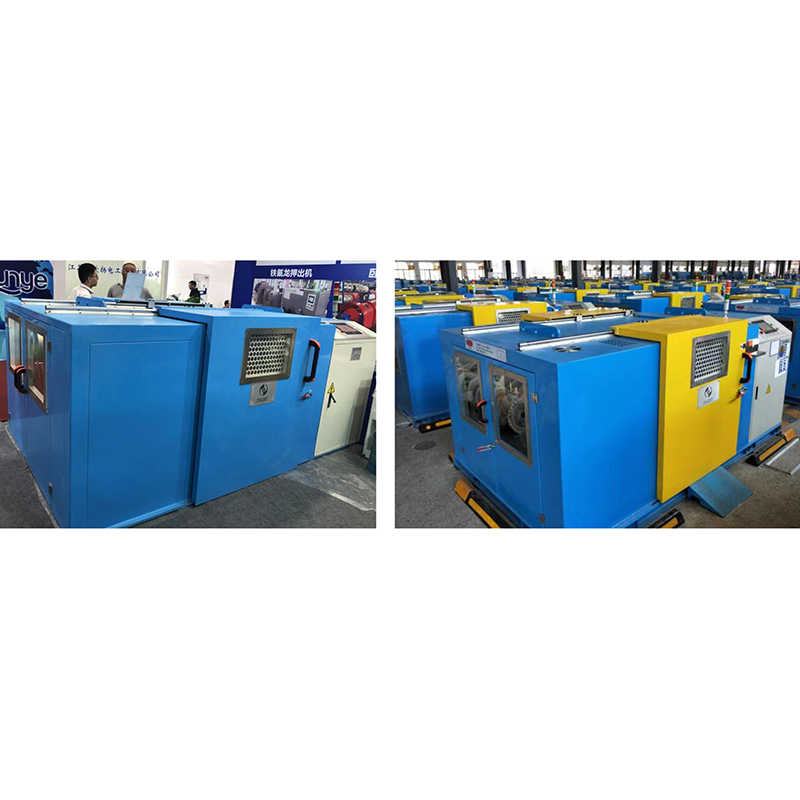
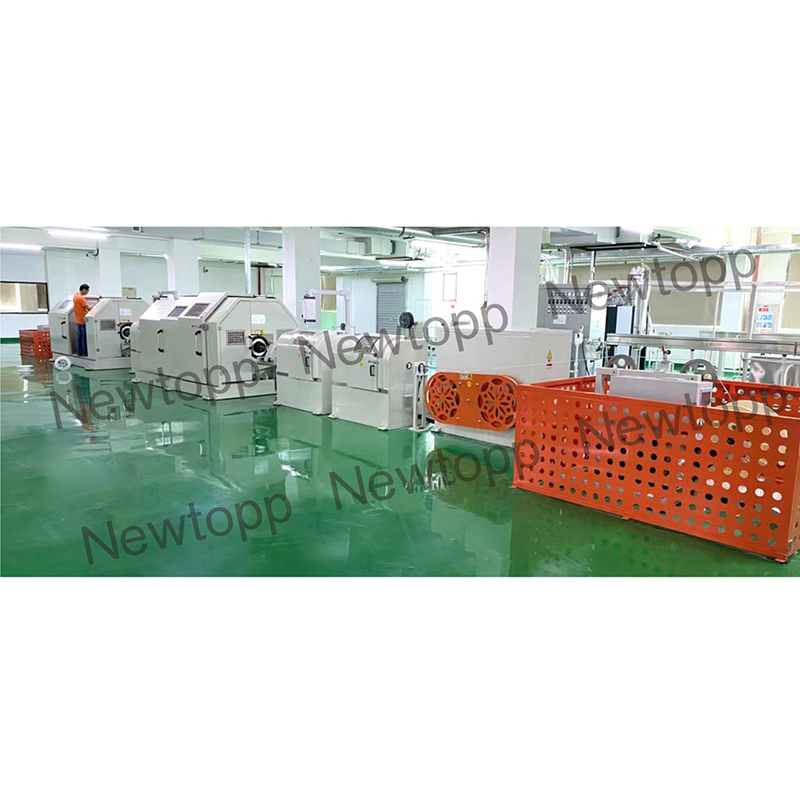
A USB data cable making machine is production equipment that turns bare copper and polymer compound into a finished, testable USB cable. In practice that means a stranding machine for the conductor, one or two extrusion lines for core insulation and jacket, a pair twister, a taping or braiding station for the shield, and connector soldering plus over-molding at the end.
The term is used loosely because the cables behind it are not equal. A plant running 28 AWG USB 2.0 charging cables and one building USB 3.2 Gen 2 assemblies share a similar machine list but live in different tolerance worlds: the second needs foamed insulation, skew control and an impedance window roughly half as wide.
The standard process sequence
- Strand the conductor, commonly 7 x 0.127 mm copper for 28 AWG.
- Extrude core insulation - solid HDPE or foamed PE, usually 0.8-0.95 mm outside diameter.
- Twist the data pair with back-twist so both cores keep equal electrical length.
- Apply foil tape or braid shielding, with a drain wire in foil designs.
- Extrude the outer jacket in PVC or TPE.
- Solder or weld the connector, over-mold the shell, then test continuity, Hi-Pot and impedance.
Which Machine Decides Which Cable Property
Four numbers control almost everything the end customer can measure: conductor diameter tolerance, insulation diameter tolerance, twist lay length and shield coverage. Map your machine list against those four and the buying decision gets much simpler.
| Process step | Machine | Specification to lock down | Effect on the cable |
|---|---|---|---|
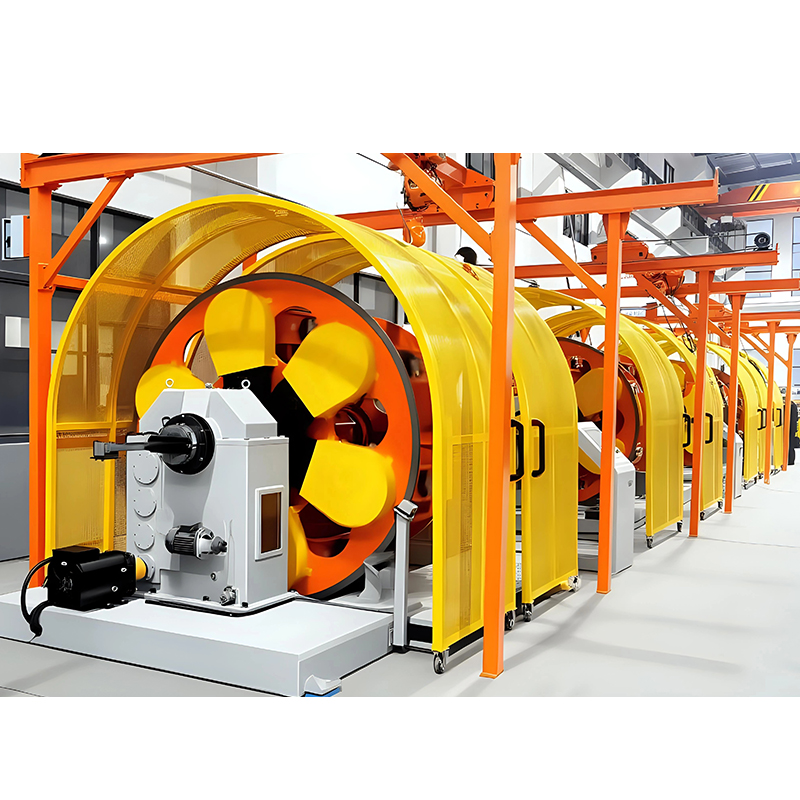
| Conductor stranding | Double-bow stranding machine | Strand count, lay length plus or minus 2% | Stable diameter, no loose strands |
| Core insulation | Core wire insulation extrusion line | OD plus or minus 0.02 mm, capacitance plus or minus 2 pF/m | Characteristic impedance near 90 ohms |
| Pair twisting | Back-twist pair strander | Back-twist ratio, lay length within 1-2 mm | Low skew and crosstalk |
| Shielding and taping | CNC taping machine, braider | Overlap 20-30%, constant tape tension | EMI rejection, controlled attenuation |
| Jacketing and assembly | Jacket extrusion line, over-molding press | OD plus or minus 0.10 mm, concentricity above 90% | Connector grip, bend life, shipment yield |
Core Insulation Extrusion: Where Impedance Is Won or Lost
Core insulation extrusion decides electrical performance, because impedance depends on conductor diameter, insulation diameter and the dielectric constant of the compound - and only the last two are under your control on the line.
For a USB 2.0 data pair, foamed PE with roughly 30 percent foaming is common: it lowers the dielectric constant, so 90 ohms is reached with a thinner, more flexible wall. The trade-off is process sensitivity. Foaming reacts to compound moisture, screw temperature and line speed, so the extruder needs gravimetric feeding, a nitrogen or chemical foaming package, and in-line diameter and capacitance gauges rather than spot checks. Solid HDPE is easier to run and remains the right choice for short charging cables.
A well-instrumented cable extrusion line typically runs 150-300 m/min on thin core insulation, with diameter control active within seconds of startup. If a supplier cannot show you the feedback loop between gauge and screw or capstan speed, the tolerance claim is marketing, not engineering.
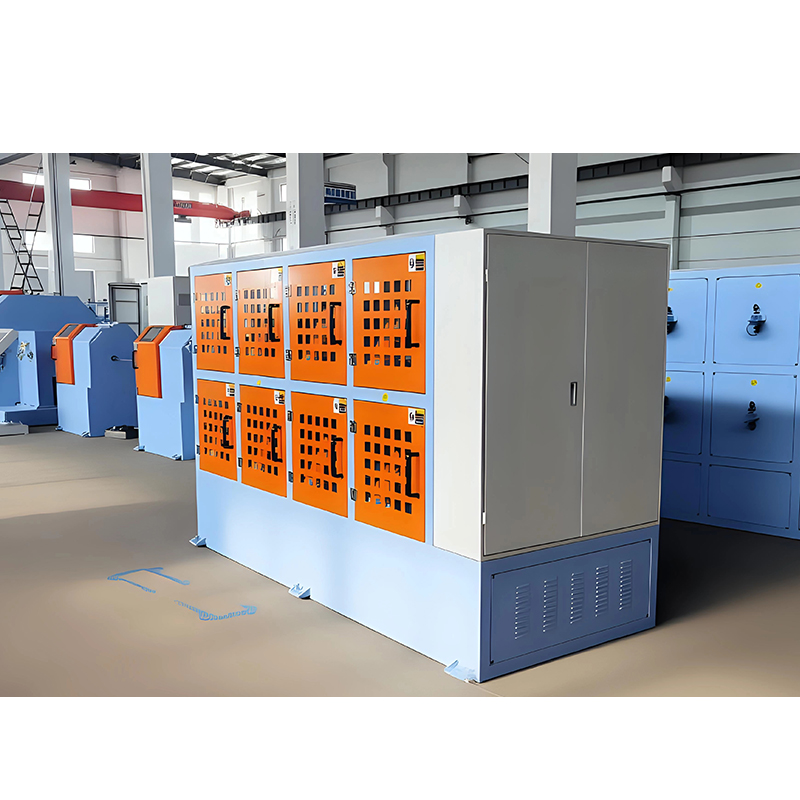
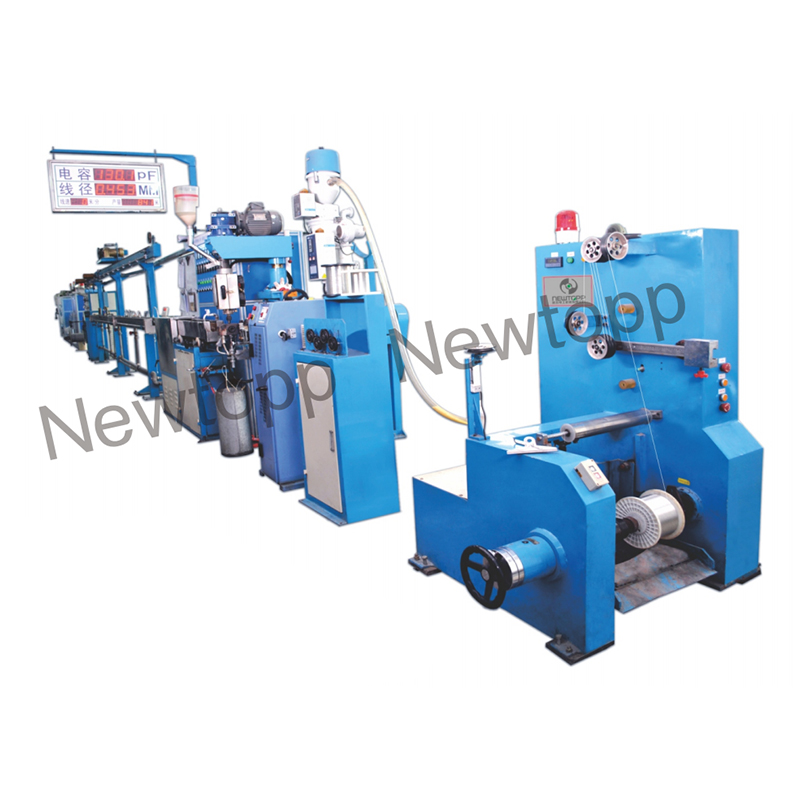
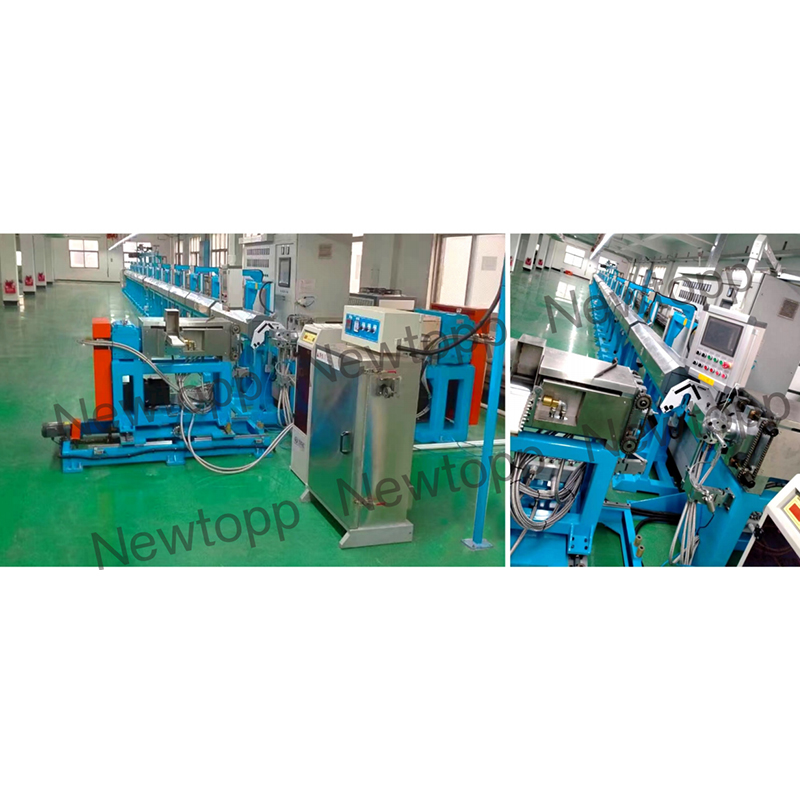
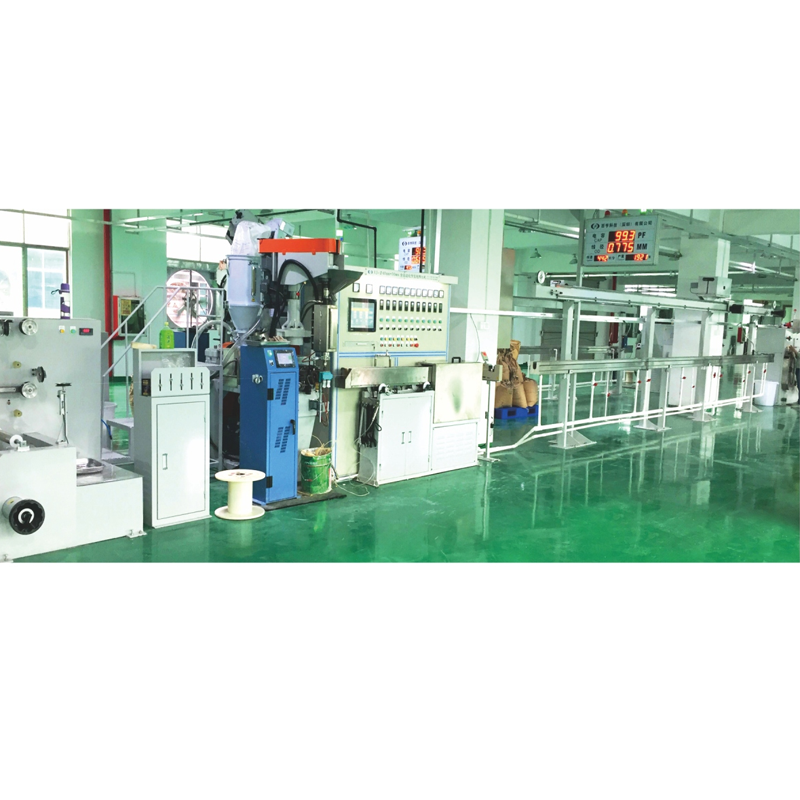 Core Wire Insulation Extrusion Line for High-Speed Cable ConductorsSingle-layer or striping insulation extrusion with intelligent diameter feedback, tight OD and temperature control for automotive, EV, data, and robotic cable conductors.View Product →
Pair Twisting: The Skew Question
Back-twist pair twisting keeps the two insulated cores at the same electrical length; without it, skew rises and high-speed signal integrity fails no matter how good the extrusion was.
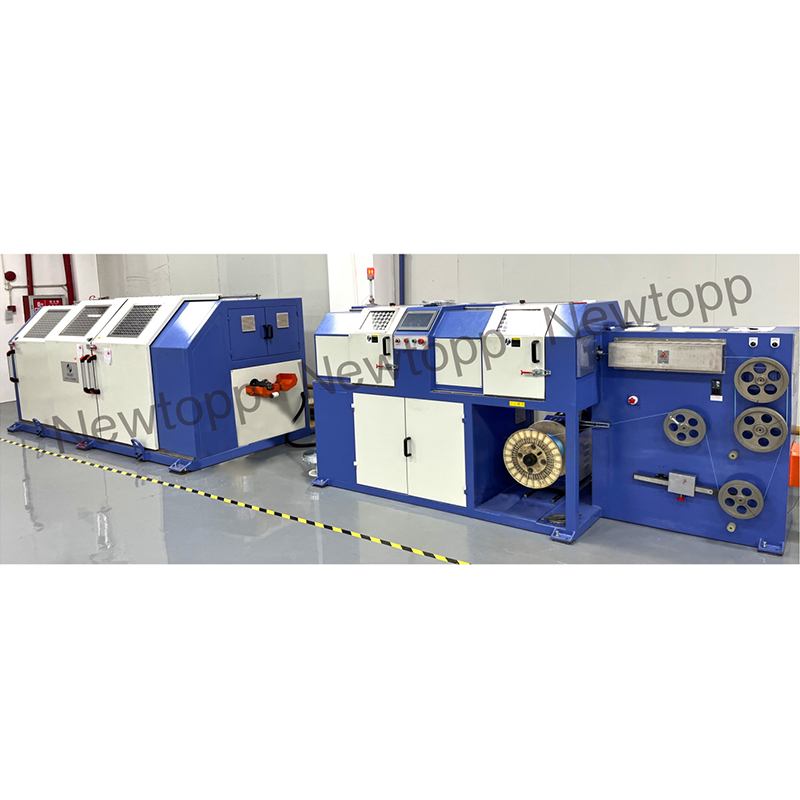
A back-twist pair strander runs both cores through a rotating bow while twisting them against the pay-off rotation, so the cores do not spiral around each other's axis. In a USB data pair the lay is usually around 20-30 mm, and small lay variations become propagation delay differences. Check bow balance at speed, guide wear and take-up tension consistency - a cable built at 60 m/min should test the same as one built at 120 m/min.
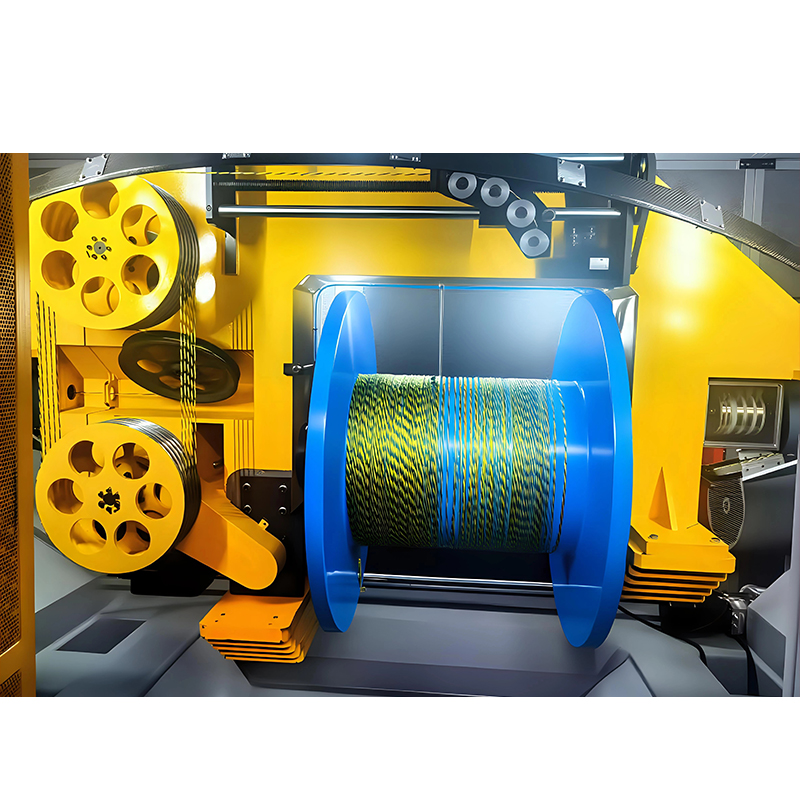
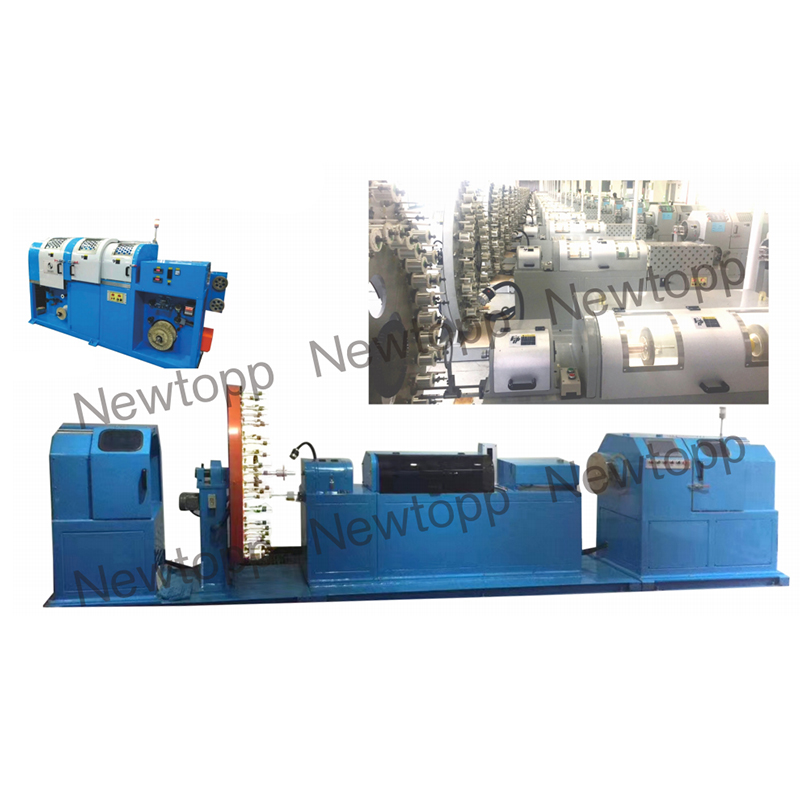
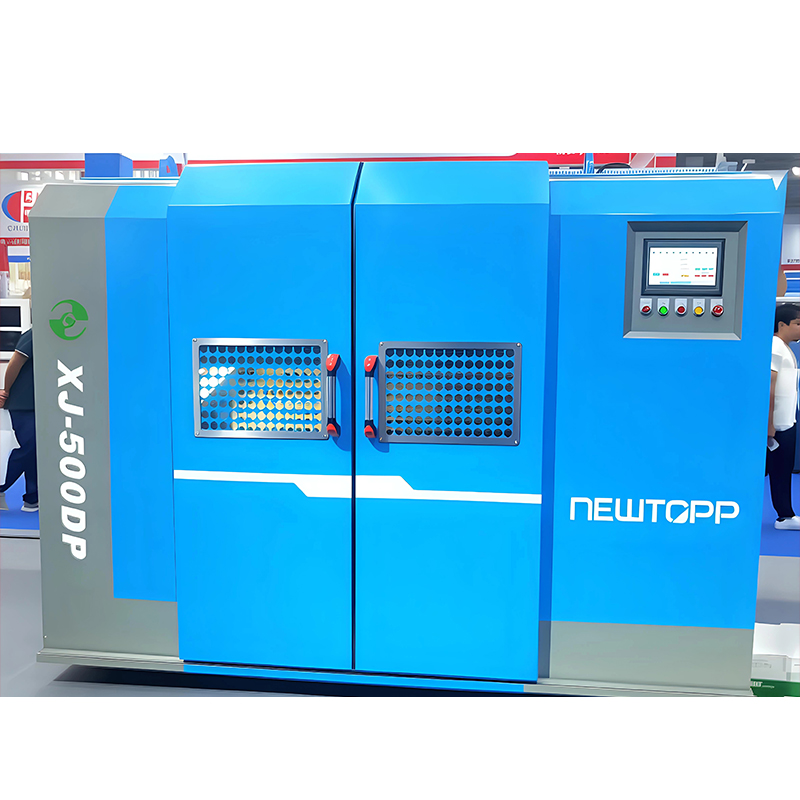 Back-Twist Pair Stranding Machine for Cat-6 and HDMI CablesActive back-twist pay-off neutralizes core torsion before precision pair twisting, helping improve return loss and near-end crosstalk in high-speed data cables.View Product →
Shielding, Taping and Jacketing
Taping and jacketing decide how long the cable lasts in the field; the shield decides how well it works.
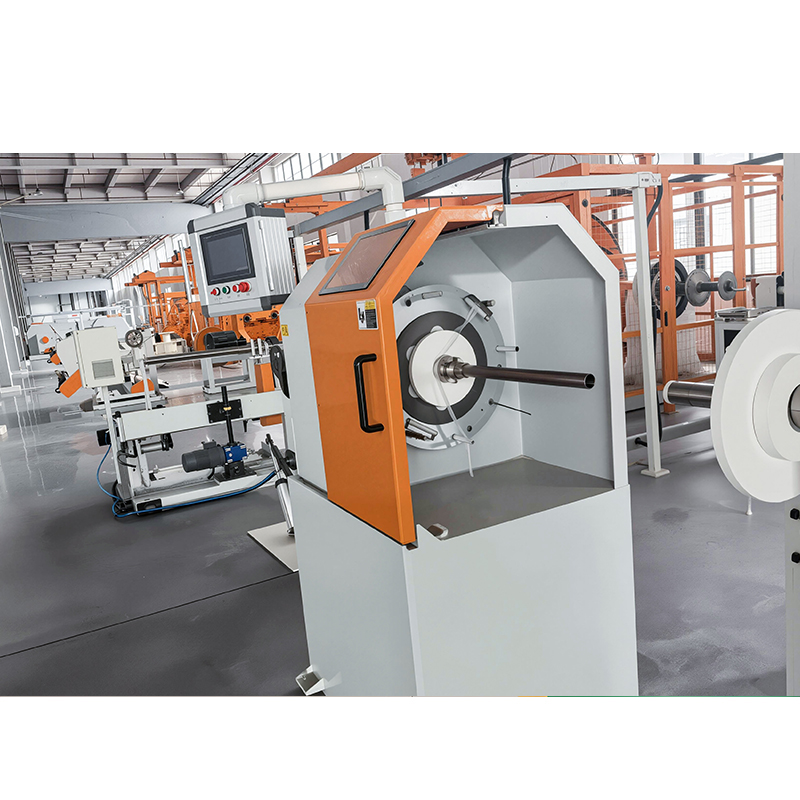
Aluminium-polyester foil applied with 20-30 percent overlap, plus a drain wire in contact with the foil, is the standard USB 2.0 construction; faster assemblies usually add a braid for lower transfer impedance. Tape tension matters more than most buyers expect: too loose and the foil wrinkles at bend points, too tight and it necks the twisted pair, changing impedance locally. A cable taping machine with servo tension control and programmable overlap is the practical way to hold that window.
The jacket is then extruded over the assembly - PVC for general cables, TPE or TPU where flexibility matters. Concentricity and OD tolerance decide whether the over-mold grips the cable; a jacket 0.1 mm out of round tends to show up later as a connector pull-out failure.
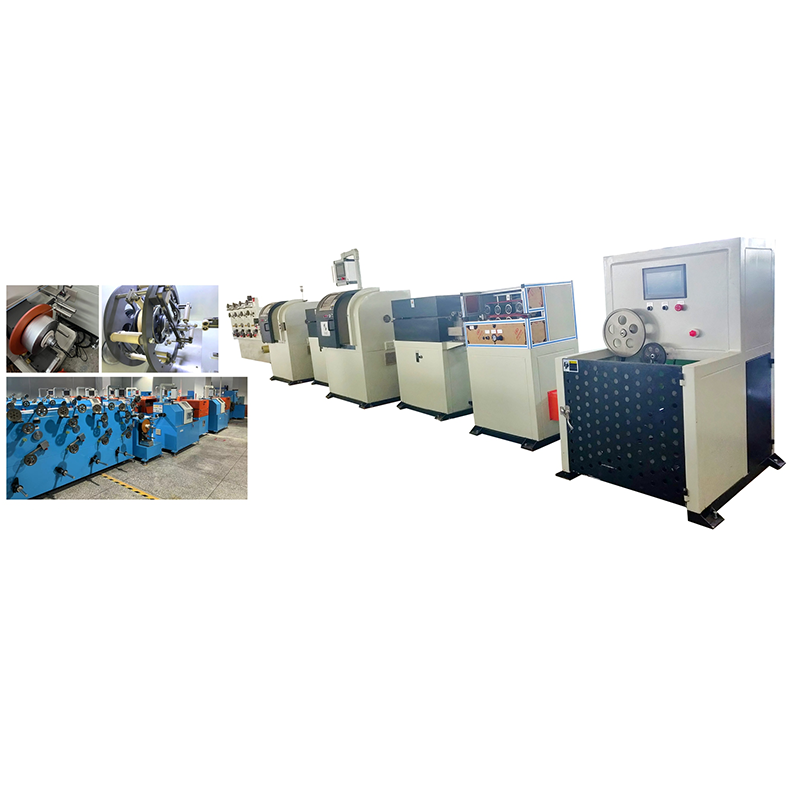
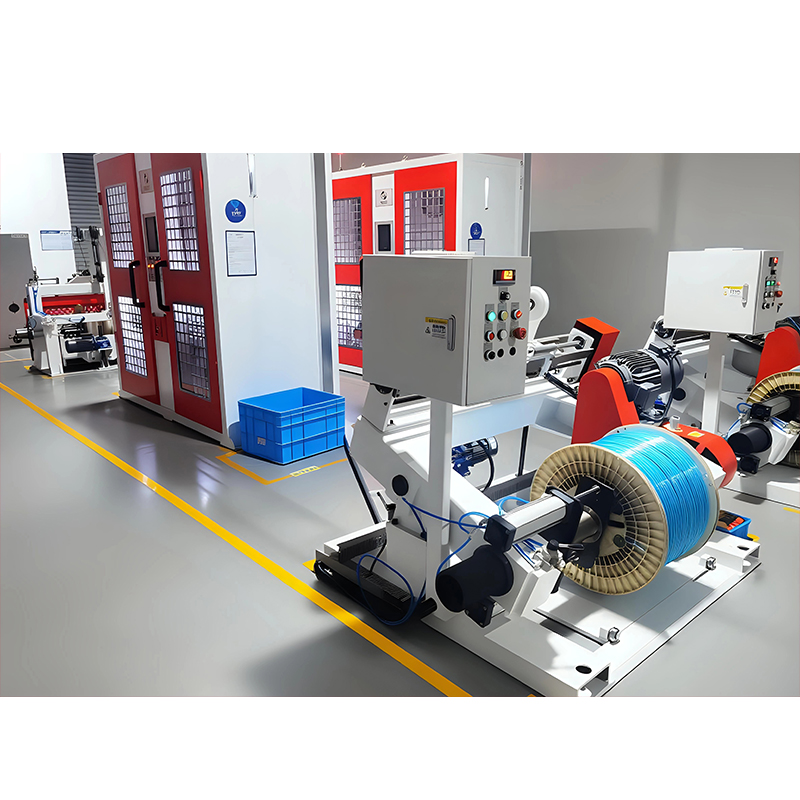 CNC Vertical Double-Layer Servo Taping Machine for Precision Cable WrappingMulti-axis servo taping with closed-loop tension control and programmable overlap supports single- to multi-layer wrapping of stranded or parallel high-frequency conductors.View Product →
USB 2.0 vs USB 3.x: What Changes on the Line
The machine list barely changes between USB generations; the tolerance class and the number of data pairs do. Knowing which column your product sits in prevents money being spent on the wrong station.
| Requirement | USB 2.0 | USB 3.x | USB4-class |
|---|---|---|---|
| Data pairs | One shielded twisted pair | Two SuperSpeed pairs plus the USB 2.0 pair | Multiple pairs with tighter pair-to-pair geometry |
| Insulation | Solid or lightly foamed PE | Foamed PE, narrow OD window | Foamed PE with tight capacitance control |
| Impedance | 90 ohms, plus or minus 15% | 90 ohms, plus or minus 10% | 90 ohms, plus or minus 10% with skew limits |
| Shielding and jacket | Foil with drain wire, PVC | Foil plus braid, PVC or TPE | Foil plus high-coverage braid, TPE |
Procurement Risks That Surface Six Months Later
Most line problems are mismatches between stations bought separately, not machine failures. These are the ones that cost the most to fix after installation.
- Tension mismatch: a fast extruder paired with a light pay-off stand produces diameter variation no downstream gauge can correct.
- Missing in-line measurement: capacitance and diameter feedback is what makes a plus or minus 0.02 mm claim real.
- Ignoring foam capability: a solid-insulation extruder cannot be upgraded to foamed PE by changing compound alone.
- Under-specifying the twister: a machine without true back-twist cannot meet skew limits, whatever the lay setting.
- Accepting the line on the wrong criteria: capacitance and impedance stability should hold across a full shift, not on one steady-state sample.
Frequently Asked Questions
How much does a USB data cable making machine cost?
There is no list price, because a line is quoted station by station. Cost is driven by the number of stations, the tolerance class you target, the automation level, and whether the extruders include in-line diameter and capacitance control. A USB 2.0 charging-cable line is a fraction of the investment needed for a USB4-class line with foamed insulation and back-twist twisting.
Can one line make both USB 2.0 and USB 3.x cables?
Usually yes, provided the extruder has capacitance feedback and the twister is a back-twist type. Switching between the two is mostly a change of compound, die, lay length and shield construction, not of machine. Jacket tooling and the test regime must be upgraded with the cable.
Do I need a clean room to make USB cables?
No. What you need is stable temperature, low humidity around the foam extruder and filtered air at the taping and over-molding stations. Dust trapped under foil is a common cause of impedance spikes that appear only in final test.
What is the minimum equipment set?
Stranding, core insulation extrusion, pair twisting, taping, jacketing, plus connector assembly and testing. Buying pre-twisted pairs is possible at very low volume, but it removes your control over skew and cost.
Getting the Line Right the First Time
Define the highest cable grade you intend to sell within three years, then buy the stations that can hold that tolerance - extrusion first, twisting second, everything else after. Lines fail commercially when the extruder and the twister are specified for two different markets. A supplier that designs extrusion, stranding and taping under one roof can shorten commissioning, because the stations are matched on tension, lay and speed from the start rather than reconciled later on your shop floor.