

 English
 русский
 Español

Industry News
Home / News / Industry News / What is a Cable Taping Machine?Cable Taping Machine Comprehensive Guide
Home / News / Industry News / What is a Cable Taping Machine?Cable Taping Machine Comprehensive Guide
NEWS


What is a Cable Taping Machine?Cable Taping Machine Comprehensive Guide
2025-12-18
Content
- 1 What is a Cable Taping Machine?
- 2 How Does a Cable Taping Machine Work?
- 3 What are the Main Components of a Cable Taping Machine?
- 4 What Types of Cable Taping Machines Exist?
- 5 What Materials Can a Cable Taping Machine Handle?
- 6 Key Features and Advantages of a Cable Taping Machine
- 7 How to Maintain and Troubleshoot a Cable Taping Machine?
- 8 How Does a Cable Taping Machine Compare with Other Cable Processing Machines?
- 9 What are the Applications of a Cable Taping Machine in the Industry?
- 10 FAQ about Cable Taping Machines
- 10.1 1. What is the typical production speed of a Cable Taping Machine?
- 10.2 2. Can a Cable Taping Machine handle multiple tape layers at once?
- 10.3 3. How is tape tension controlled in a Cable Taping Machine?
- 10.4 4. Are Cable Taping Machines compatible with both round and flat cables?
- 10.5 5. What industries benefit most from Cable Taping Machines?
- 10.6 6. How often should a Cable Taping Machine be serviced?
- 10.7 7. Can Cable Taping Machines be integrated into existing cable production lines?
- 11 Conclusion
What is a Cable Taping Machine?
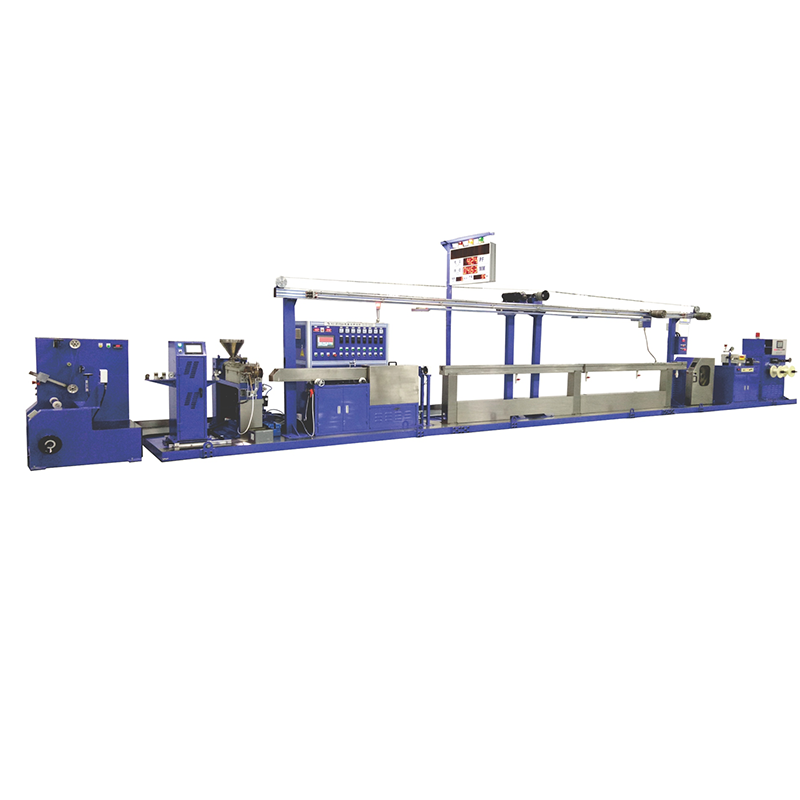
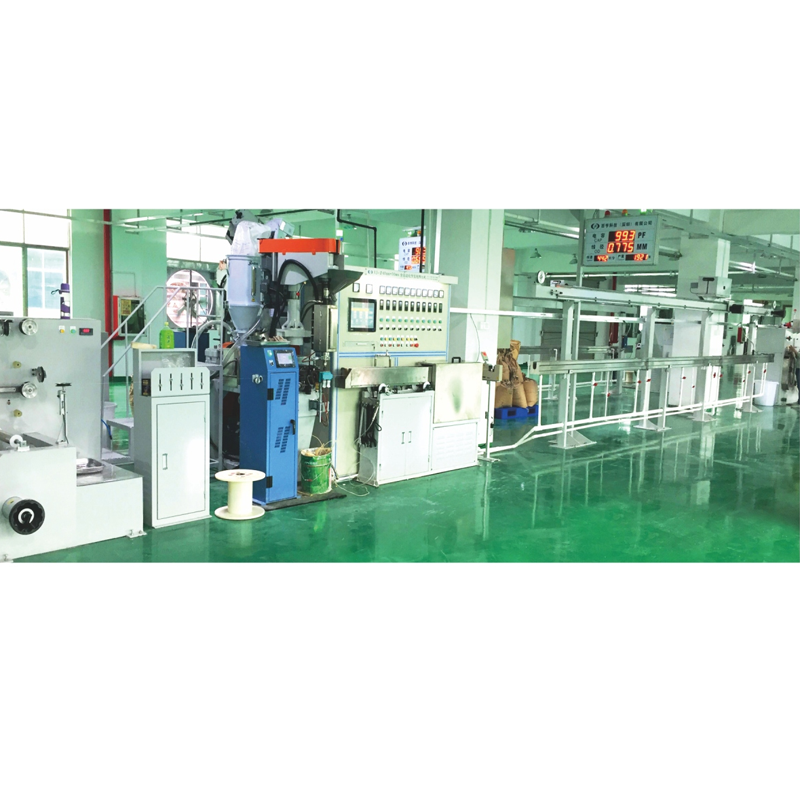
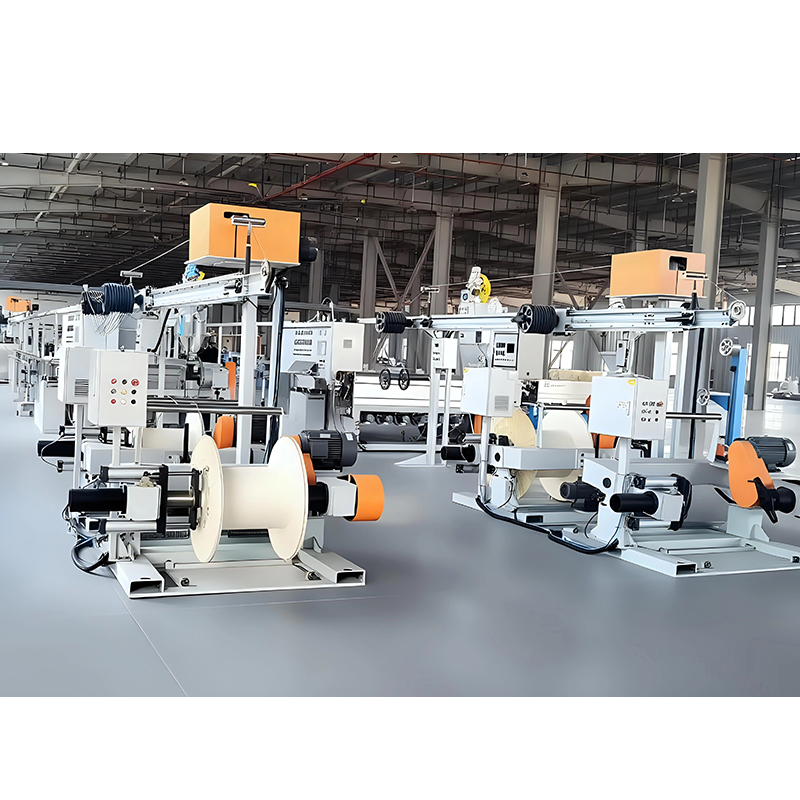
A Cable Taping Machine is a specialized piece of equipment used in the wire and cable manufacturing industry to wrap protective tape layers around cables. These machines ensure that cables are insulated, reinforced, and prepared for further processing, such as extrusion, sheathing, or assembly into multi-core cables.
The main purpose of a Cable Taping Machine is to improve the mechanical strength, electrical insulation, and durability of the cable. Taping can be done using a variety of materials, such as PVC tape, polyester tape, paper tape, or self-adhesive tapes, depending on the cable type and intended application.
With increasing demand for high-performance cables in sectors like telecommunications, automotive, energy, and industrial automation, Cable Taping Machines have become essential in modern cable production lines.
How Does a Cable Taping Machine Work?
A Cable Taping Machine works by precisely wrapping insulating or protective tape around a cable to enhance its mechanical strength, insulation, and durability. The process is highly controlled to ensure consistent tape application across different cable types and diameters.
1. Cable Feeding
The cable is first fed into the machine using a pay-off system, which can be a drum or reel. The feed speed is synchronized with the tape application mechanism to maintain uniform wrapping. Proper cable alignment is essential to prevent twisting or misalignment during taping.
2. Tape Unwinding and Tension Control
The tape is pulled from a roll and guided toward the taping head. Tension control mechanisms, such as mechanical brakes, pneumatic systems, or electronic tension sensors, ensure the tape is neither too loose nor too tight. Correct tension prevents wrinkles, gaps, or tape breakage.
3. Tape Application
The tape application head wraps the tape around the moving cable. There are different methods for this step:
- Rotary Head: The tape is rotated around the cable using a motorized head for even coverage.
- Linear or Stationary Head: The tape is guided onto the moving cable while the head remains fixed, suitable for simpler taping operations.
The overlap percentage and wrapping angle can be adjusted based on cable specifications and tape type.
4. Pressing and Bonding
After application, pressing rollers or brushes press the tape firmly onto the cable surface. This ensures adhesion, smooth appearance, and reliable insulation. Some machines may also include heated rollers or adhesive activation systems for self-adhesive tapes.
5. Cutting and Layer Completion
Once the tape layer reaches the desired length, a cutting unit trims the tape automatically. In multi-layer taping machines, the process is repeated sequentially to apply additional protective layers without interrupting cable production.
6. Take-Up or Collection
The finished taped cable is collected onto a drum or reel using the take-up system. This system maintains consistent tension to prevent cable deformation and prepares the cable for further processing, such as extrusion, jacketing, or shipment.
Automation and Control
Modern Cable Taping Machines are equipped with PLC or touchscreen control panels, allowing operators to set tape tension, overlap, wrapping speed, and number of layers. Sensors monitor tape tension, cable alignment, and layer consistency in real time, reducing errors and improving production efficiency.
What are the Main Components of a Cable Taping Machine?
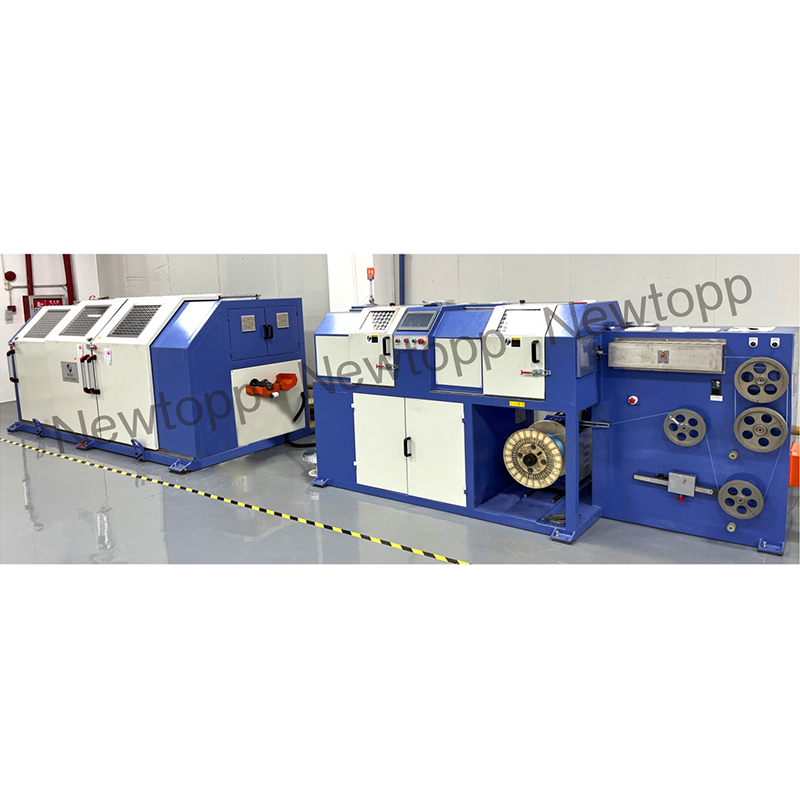
A Cable Taping Machine is composed of several key components that work together to ensure accurate tape application, high efficiency, and consistent cable quality. Each component has a specific function within the taping process.
1. Pay-Off Unit
The pay-off unit is responsible for holding and unwinding the cable and tape rolls. It ensures a smooth and continuous feed into the taping section. Key features include:
- Adjustable drum or reel holders for different cable diameters
- Tension control mechanisms to prevent slack or overstretching
- Rotating systems to allow consistent cable feeding
2. Tape Application Head
The tape application head is the core component that wraps tape around the cable. Depending on the machine type, it can be:
- Rotary Type: Rotates around the cable to ensure uniform coverage.
- Stationary Type: Uses guides and rollers to apply tape as the cable moves through the head.
- Equipped with adjustable angle and overlap settings to meet different cable specifications.
3. Drive System
The drive system includes motors, gearboxes, and belts that control the movement of both the cable and the tape. It synchronizes the cable speed with the tape application, ensuring even wrapping without gaps or overlaps.
4. Pressing Rollers
Pressing rollers or brushes press the tape firmly onto the cable surface, ensuring proper adhesion and a smooth finish. Some machines may use heated rollers for self-adhesive tapes to enhance bonding.
5. Cutting Unit
The cutting unit trims the tape at the end of the cable or between layers. Features include:
- Precision blades to prevent fraying
- Automatic or semi-automatic operation
- Adjustable cutting length for different cable sizes
6. Control Panel
The control panel is the interface for the operator to set machine parameters such as:
- Tape tension and feed speed
- Number of layers and overlap percentage
- Start/stop controls and emergency shutoff
- Monitoring real-time production data and error alerts
7. Take-Up System
The take-up system collects the finished taped cable onto reels or drums. Features include:
- Variable speed control to match tape application
- Tension control to prevent cable deformation
- Capability to handle different cable lengths and weights
8. Optional Components
Advanced Cable Taping Machines may also include:
- Optical or laser sensors for alignment and quality control
- Automatic layer changing mechanisms for multi-layer taping
- Integrated cooling or heating systems for temperature-sensitive tapes
- Data logging and connectivity for Industry 4.0 integration
Each component works together to ensure the Cable Taping Machine operates efficiently, produces high-quality cables, and adapts to various production requirements.
What Types of Cable Taping Machines Exist?
Cable taping machines can be classified based on their operational mechanism, tape type, and application method:
- Manual Cable Taping Machines: Require human operators to guide the cable and tape, suitable for small-scale or custom production.
- Semi-Automatic Cable Taping Machines: Automate tape wrapping but require operators for feeding and monitoring.
- Fully Automatic Cable Taping Machines: Integrate feeding, taping, pressing, and take-up, ideal for high-volume production lines.
- Single-Layer vs. Multi-Layer Machines: Some machines are designed to apply a single tape layer, while others can wrap multiple layers sequentially.
- Rotary vs. Stationary Tape Heads: Rotary heads rotate around the cable for precise coverage, while stationary heads move the tape around the cable.
What Materials Can a Cable Taping Machine Handle?
Cable Taping Machines are versatile and can handle a variety of taping materials, including:
- PVC Tape: Common for insulation and mechanical protection.
- Polyester Tape: Offers high temperature resistance and mechanical strength.
- Paper Tape: Used in high-voltage and communication cables for insulation.
- Self-Adhesive Tapes: Provide excellent adhesion and are easy to apply.
- Foil Tapes: Used for shielding and grounding purposes.
The choice of tape depends on the cable type, voltage rating, environmental conditions, and industry standards.
Key Features and Advantages of a Cable Taping Machine
Modern Cable Taping Machines offer numerous benefits:
- High Efficiency: Capable of high-speed taping suitable for large-scale production.
- Consistent Quality: Ensures uniform tape tension, alignment, and overlap.
- Flexibility: Handles different tape types, cable diameters, and layer configurations.
- Automation: Reduces manual labor, lowers error rates, and improves productivity.
- Compact Design: Minimizes floor space requirements in production facilities.
- Easy Maintenance: Modular components allow quick replacement of tape rolls, rollers, or drive parts.
Advanced models may also include features like touchscreen control panels, real-time monitoring, and integrated quality inspection for higher reliability.
How to Maintain and Troubleshoot a Cable Taping Machine?
Proper maintenance and timely troubleshooting are essential to ensure the long-term reliability of a Cable Taping Machine. Regular care minimizes downtime and improves product quality.
Routine Maintenance
- Lubrication: Regularly lubricate moving parts such as rollers, bearings, and gears to reduce wear and friction.
- Cleaning: Remove tape residue, dust, and debris from tape heads, rollers, and guides to prevent malfunction.
- Tape Roll Replacement: Inspect tape rolls for defects and replace them as necessary to avoid uneven wrapping.
- Alignment Check: Verify that tape guides and rollers are correctly aligned to maintain consistent overlap and tension.
- Electrical Systems: Inspect wiring, sensors, and control panels for signs of damage or loose connections.
Common Troubleshooting
- Tape Wrinkle or Misalignment: Check tape tension, guide positioning, and roller condition. Adjust tension or replace worn parts.
- Uneven Overlap: Inspect the tape application head and ensure the rotation or movement is synchronized with cable speed.
- Motor Malfunction: Check the drive system, belts, and motors. Ensure proper electrical supply and replace defective components.
- Stop or Slow Operation: Verify speed settings, tension sensors, and control software. Clear any obstructions in the feed path.
- Adhesion Problems: Use appropriate tape material and clean the cable surface before taping.
How Does a Cable Taping Machine Compare with Other Cable Processing Machines?
The Cable Taping Machine serves a specific role in the cable production line, and its function differs from other machines:
| Machine Type | Main Function | Comparison with Cable Taping Machine |
|---|---|---|
| Cable Extrusion Line | Applies insulation or sheathing layers to cables using molten materials. | Extrusion focuses on forming solid layers, while taping wraps pre-made tape for insulation or reinforcement. |
| Cable Stranding Machine | Twists multiple wires together to form a conductor. | Stranding creates the core structure of the cable, whereas taping is applied later for protection. |
| Cable Braiding Machine | Applies protective braided layers over cables. | Braiding offers mechanical and EMI shielding, taping primarily provides insulation and surface protection. |
| Cable Jacketing Machine | Applies an outer protective jacket layer. | Jacketing creates a solid outer layer; taping is thinner and used for insulation or wrapping between layers. |
What are the Applications of a Cable Taping Machine in the Industry?
Cable Taping Machines are widely used in multiple cable manufacturing sectors:
- Power Cables: Taping provides insulation and moisture protection for medium and high-voltage power cables.
- Telecommunication Cables: Taping ensures uniform layering and improves mechanical stability in fiber optic or copper cables.
- Automotive Wiring: Taping enhances flexibility and mechanical durability in complex vehicle wiring harnesses.
- Industrial Automation Cables: Multi-layer taping provides abrasion resistance and electrical insulation for industrial control cables.
- Specialty Cables: Used in aerospace, defense, and marine applications, where multi-layer insulation and mechanical reinforcement are critical.
FAQ about Cable Taping Machines
1. What is the typical production speed of a Cable Taping Machine?
Production speed depends on the model and cable type. Semi-automatic machines typically operate at 10–50 meters per minute, while fully automatic high-speed machines can reach 200 meters per minute or more.
2. Can a Cable Taping Machine handle multiple tape layers at once?
Yes. Many advanced machines can apply two or more layers of tape sequentially in a single pass, improving production efficiency and ensuring consistent insulation.
3. How is tape tension controlled in a Cable Taping Machine?
Tension is controlled using mechanical brakes, tension sensors, and electronic feedback systems to maintain uniform tape application and avoid wrinkles or gaps.
4. Are Cable Taping Machines compatible with both round and flat cables?
Most machines are designed for round cables, but some models offer adjustable guides to accommodate flat cables or specialized shapes.
5. What industries benefit most from Cable Taping Machines?
Power generation, telecommunications, automotive manufacturing, industrial automation, and aerospace sectors are the primary users due to the high demand for insulated, mechanically reinforced, and reliable cables.
6. How often should a Cable Taping Machine be serviced?
Routine maintenance is recommended every 3–6 months, depending on usage. Regular checks on tape heads, rollers, motors, and electrical systems prevent unexpected downtime.
7. Can Cable Taping Machines be integrated into existing cable production lines?
Yes. They can be installed after stranding or extrusion units, and before jacketing or braiding machines, forming a seamless automated production line.
Conclusion
Cable Taping Machines are critical equipment in modern cable manufacturing, providing insulation, mechanical reinforcement, and surface protection. By understanding their components, operation principles, maintenance requirements, and industry applications, manufacturers can enhance production efficiency, ensure consistent cable quality, and meet diverse industry standards. Their versatility, automation capabilities, and ability to handle multiple tape types make them an indispensable part of high-performance cable production lines.
-
Phone
+86 188 2296 5630 +86-(0)515-8510 8601Email
[email protected]
[email protected]
[email protected]
[email protected]
[email protected]
[email protected]Address
No. 168 Haitai Road, Dongtai City, Jiangsu Province, China
Copyright © 2025 Jiangsu NewTopp Precision Machinery Co., Ltd. All Rights Reserved. Wire & Cable Equipment Manufacturer
Robot Cable Production Ancillary Equipment Factory
