


 English
 русский
 Español


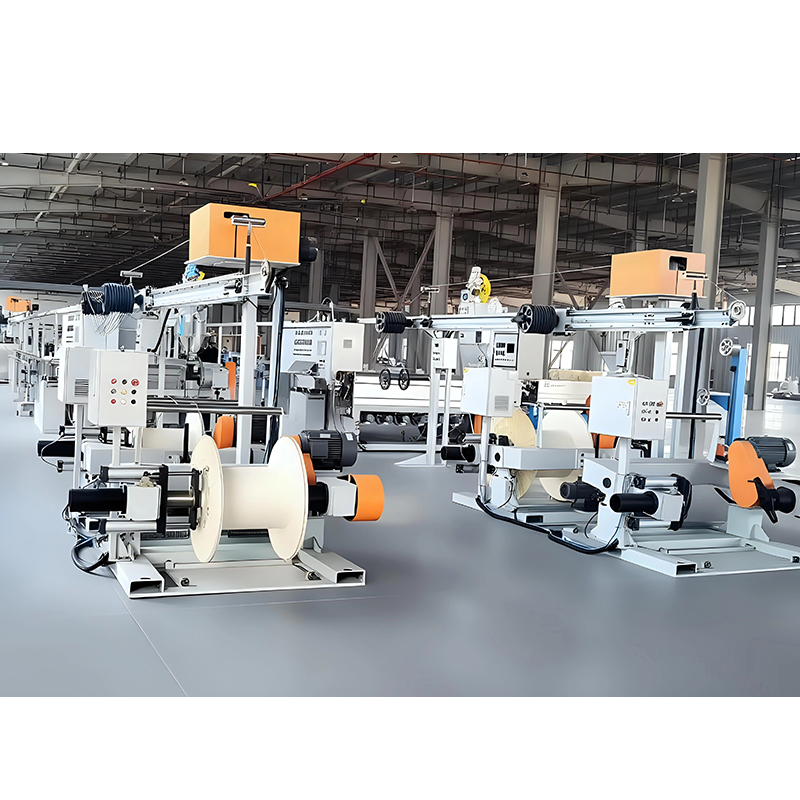
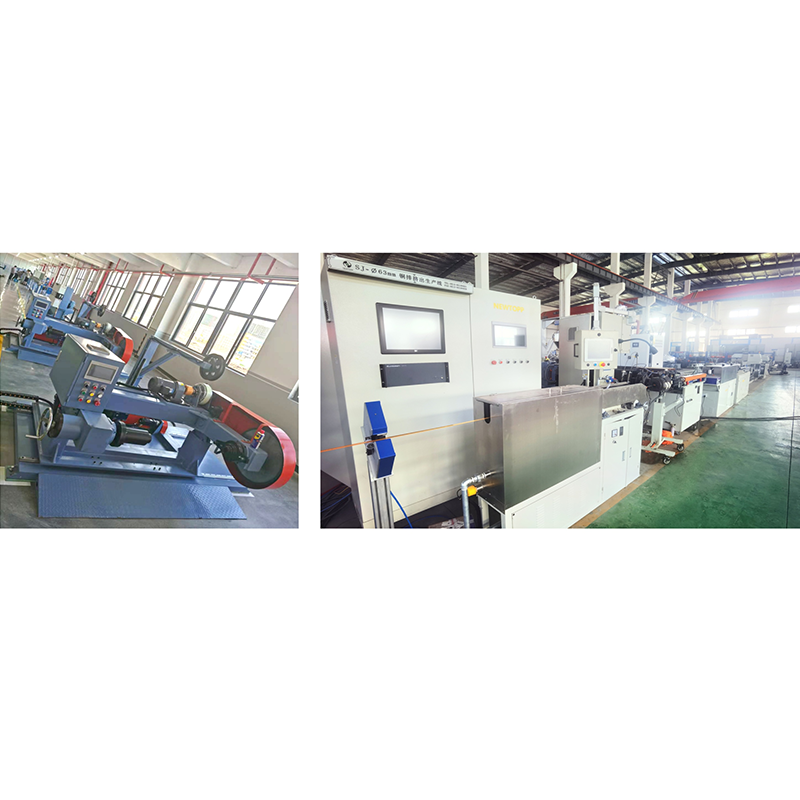
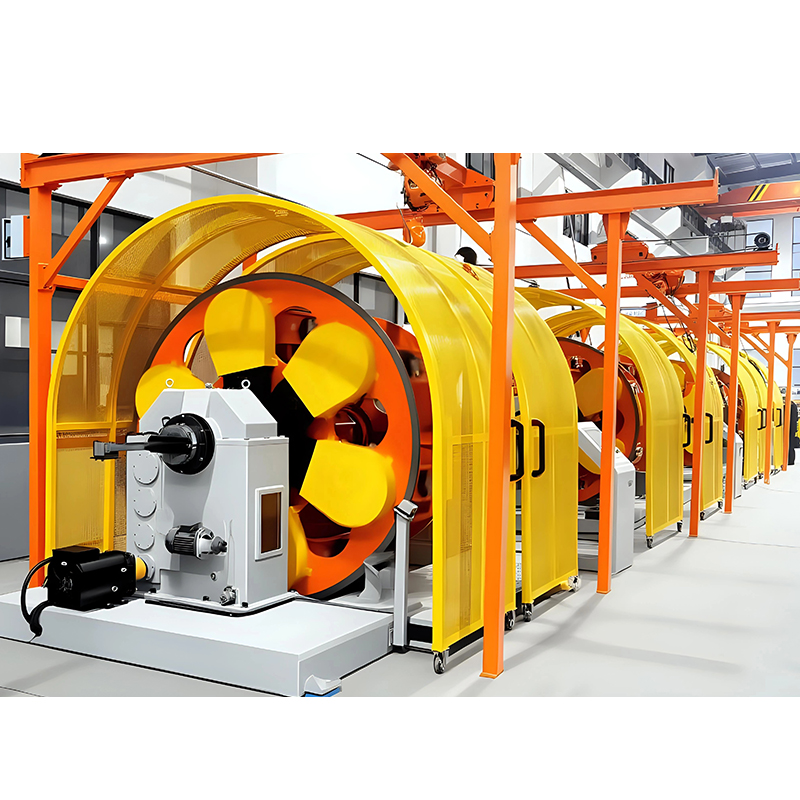


Global standards for conductor stranding include specifications for wire diameter, number...
Specification
| Wire Material | Bare copper, tinned copper, silver-plated copper |
| Wire Diameter Range | 0.05 mm – 5.0 mm (model-dependent) |
| Number of Strands | 7 / 12 / 19 / 37 / 61 / 91 / 127 |
| Stranding Pitch Range | 5 mm – 200 mm |
| Lay Direction | S or Z (switchable) |
| Max Machine Speed | 300 – 5,000 RPM (by type) |
| Tension Control | Magnetic brake / servo active tensioner |
| Bobbin Size (pay-off) | PN 100 / 160 / 250 / 400 |
| Take-up Bobbin | PN 400 – PN 1250 |
| Control System | PLC + HMI (touchscreen) |
| Drive | AC servo / inverter-controlled |
| Frame Material | Welded steel / cast iron |
| Compliance | CE, ISO 9001 (manufacturer-dependent) |
Applications
Copper wire stranding machines serve as the production backbone for an extensive range of cable products across nearly every industry that uses electrical wiring. Key applications include:
- Low-voltage power cables: Stranded copper conductors are the standard in NYM, NYY, H07V-R, and equivalent cable types for building and infrastructure wiring worldwide.
- Flexible cords and extension cables: Highly stranded copper (Class 5 or Class 6 per IEC 60228) provides the repeated-flex fatigue resistance needed in portable appliance cords, extension leads, and flexible supply cables.
- Welding cables: Ultra-fine, high-strand-count copper conductors stranded to exceptional flexibility for welding leads and electrode holders that must withstand constant movement and mechanical stress.
- EV charging cables: Flexible, high cross-section copper conductors for AC and DC charging cables require precise stranding to meet both electrical and flexibility standards.
- Control and instrumentation cables: Multi-core stranded copper conductors for PLC wiring, signal transmission, and process control in manufacturing plants and utilities.
- Automotive wiring: Fine-gauge stranded copper for vehicle wiring harnesses, sensor leads, battery cables, and onboard charging systems across all vehicle categories.
- Overhead conductors: ACSR and all-copper overhead transmission conductors use planetary or tubular stranding machines to produce large multi-layer configurations required at utility scale.
Advantages
- Tailored for copper processing: Tension control parameters, guide roller materials, and wire path geometry are optimized for copper's specific mechanical properties — ductility, work-hardening behavior, and surface sensitivity — reducing wire breaks and surface damage during stranding.
- Meets international flexibility standards: Machines can be configured to produce conductors meeting IEC 60228 Class 1 through Class 6, covering everything from rigid solid conductors to ultra-flexible fine-strand assemblies.
- Consistent conductor geometry: Precision lay control ensures uniform outer diameter, correct lay length, and stable cross-section — all of which affect downstream insulation adhesion and electrical performance.
- Compatibility with tinned and coated copper: With appropriate guide materials, these machines handle tinned, nickel-plated, and silver-plated copper wire without surface damage, expanding the range of specialty products that can be manufactured.
- Scalable to production volume: Available in configurations from small 7-wire cantilever machines to large-scale planetary stranders, allowing manufacturers to right-size their equipment investment.
- Long service life: Copper is a clean, consistent material compared to some alloys, and machines dedicated to copper processing tend to experience less abrasive wear on guides and rollers — contributing to longer maintenance intervals and lower overall operating cost.
Material and Structure
The machine frame is constructed from either precision-cast iron or heavy-section welded structural steel, both of which provide the mass and rigidity necessary to absorb operational vibration. The main casting or weldment is stress-relieved and precision-machined at all bearing and guide mounting surfaces to ensure geometric accuracy.
Wire guide rollers and capstans are typically made from hardened steel with ceramic or hard chrome working surfaces. For tinned or coated copper wire, all-ceramic guides are preferred to avoid metallic contamination. Guide elements are replaceable as wear parts and are sized to minimize contact angle — reducing lateral stress on fine wires.
Pay-off tension units use either adjustable magnetic powder brakes (for simpler configurations) or closed-loop servo tensioners (on high-performance models). Consistent tension across all bobbin positions is essential for regular lay length and a balanced conductor cross-section.
The take-up system incorporates a traverse mechanism with programmable pitch adjustment to ensure even winding across the spool width, which is important for downstream payoff in insulation and jacketing lines.
All exposed steel surfaces are treated with epoxy or powder coat finishes for corrosion protection, and the electrical cabinet is rated to IP54 as standard for typical factory environments.
