Material Choice: Copper vs. Aluminum
The choice between copper and aluminum busbars involves a critical trade-off between performance and cost.
| Property |
Copper Busbar |
Aluminum Busbar |
Industry Implication |
| Conductivity |
~100% IACS (Benchmark) |
~61% IACS |
Copper offers superior current-carrying capacity in a smaller cross-section. |
| Weight |
Heavier |
~1/3 the weight of Copper |
Aluminum is preferred where weight savings are crucial (e.g., EVs, mobile systems). |
| Cost |
Higher raw material cost |
Lower raw material cost |
Aluminum provides a significant cost advantage for large-scale installations. |
| Oxidation |
Forms less resistive oxide |
Forms insulating oxide |
Copper connections are more stable; aluminum requires proper joint treatment. |
2. Core Technology & Industry Benchmarks
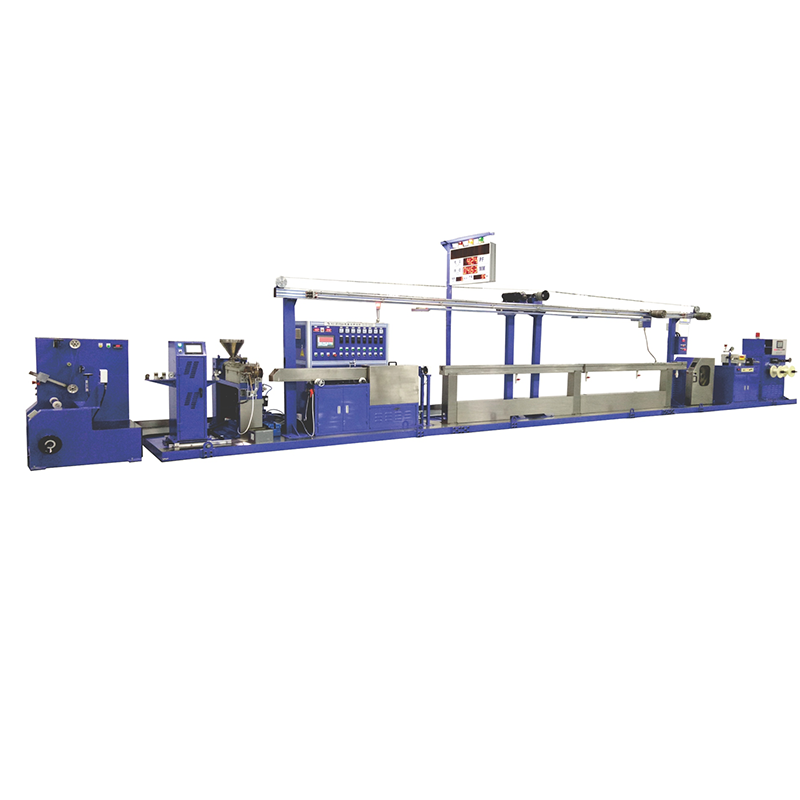
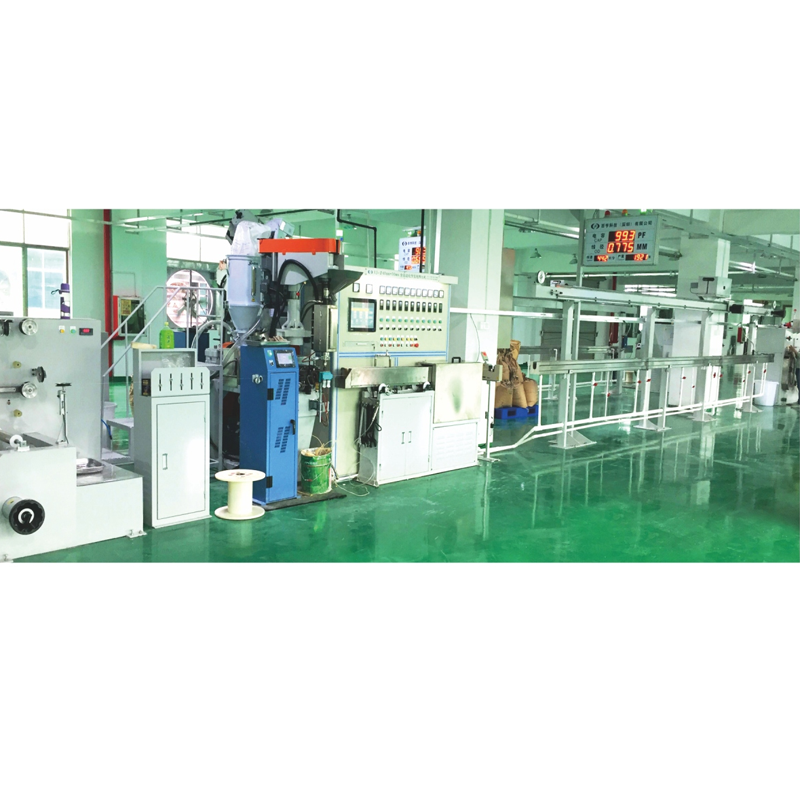
The performance of an extrusion line is measured against specific industry standards that dictate busbar quality.
| Key Industry Indicator |
Why It Matters |
How a High-End Production Line Addresses It |
| Conductivity / IACS % |
Directly impacts electrical efficiency and heat generation. |
Precise temperature control in melting/holding and controlled cooling preserve optimal metallurgical structure. |
| Dimensional Tolerance |
Ensures fit in enclosures and proper connection. |
The rigidity of the Die System and stability of the High-Pressure Extrusion and Straightening processes guarantee consistency. |
| Surface Quality |
Minimizes oxidation hotspots and improves contact. |
Controlled atmosphere in melting, smooth die surfaces, and non-marking Pulling and Stacking systems. |
| Production Line Uptime |
Maximizes output and ROI. |
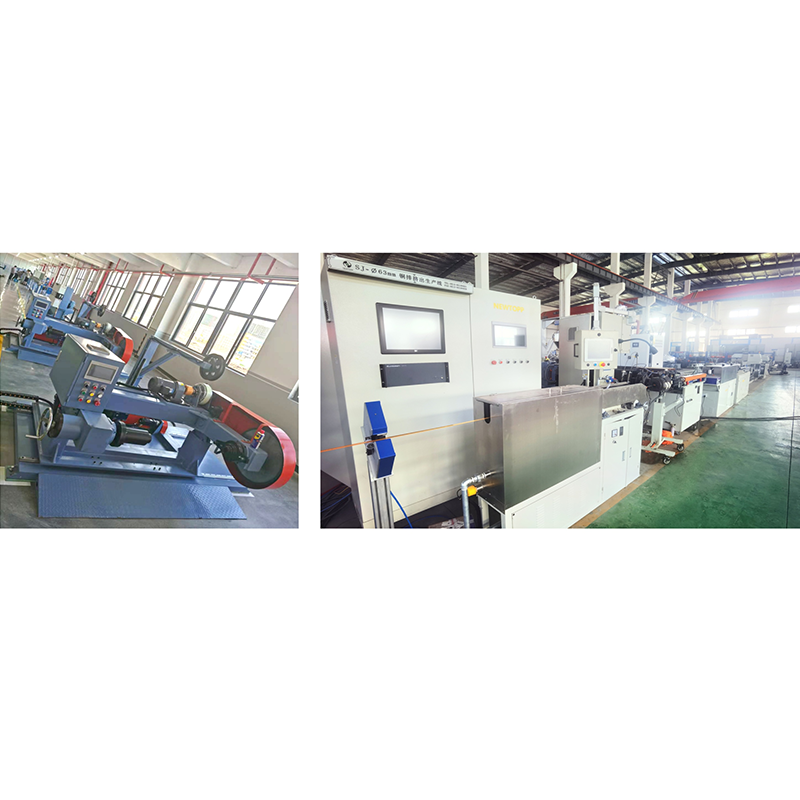
Robust design (like Newtopp's heavy-duty construction), Centralized Control for quick diagnostics, and easy die changes. |
| Material Yield |
Reduces waste and raw material cost. |
Advanced process control to minimize start-up/stop scrap and precise Cutting to Length. |
3. Industry Trends & Production Line Evolution
The busbar industry is evolving, and manufacturing technology must adapt.
-
Trend 1: Demand for Complex Profiles. As electronics become denser, busbars need integrated features (cooling channels, mounting points). Our extrusion line’s advanced Die System and flexible forming capabilities are designed for this complexity.
-
Trend 2: Green Manufacturing. Emphasis on energy efficiency and reduced waste. *Newtopp's lines incorporate energy-efficient melting and holding technology and maximize material yield, aligning with our ISO14001 environmental management commitment.*
-
Trend 3: Industry 4.0 Integration. The need for data-driven, smart factories. The Centralized Control system is the gateway for IoT integration, enabling real-time monitoring, predictive maintenance, and seamless integration with MES for traceability—a strength of the Newtopp group, which includes an IoT technology company.
-
Trend 4: Rise of Aluminum & Composites. Driven by electric vehicles and renewables, aluminum use is growing. A versatile line capable of processing both copper and aluminum with quick changeovers is essential, a core feature of our production line design.
FAQ: Busbar Extrusion Production Lines
Q1: What are the main advantages of extruded busbars over laminated or rolled ones?
A1: Extruded busbars offer superior length consistency, better grain structure for conductivity, and the ability to create more complex, integrated cross-sectional shapes that improve thermal and electrical performance in a single piece.
Q2: Can one production line handle both copper and aluminum efficiently?
A2: Yes, but it requires careful design. Key differences in melting temperature, extrusion pressure, and handling must be addressed. Our line is engineered with adjustable parameters and robust components to switch between materials effectively, maximizing your production flexibility.
Q3: How critical is temperature control in the process?
A3: It is paramount. Inconsistent temperature affects metal flow, dimensional accuracy, and final metallurgical properties. Our line features precision temperature management from melting through cooling, ensuring optimal product quality.
Q4: As a National High-Tech Enterprise, what does Newtopp bring from cable equipment to busbar lines?
A4: We transfer decades of core competencies in precision extrusion, tension control, and integrated line automation. Our expertise in handling valuable materials (like copper) under high precision in cable manufacturing directly informs the robust, reliable, and high-quality design of our busbar extrusion lines.



 English
 русский
 Español