

 English
 русский
 Español

Industry News


How Does a Cable Stranding Machine Handle High-Speed Production?
2026-02-07
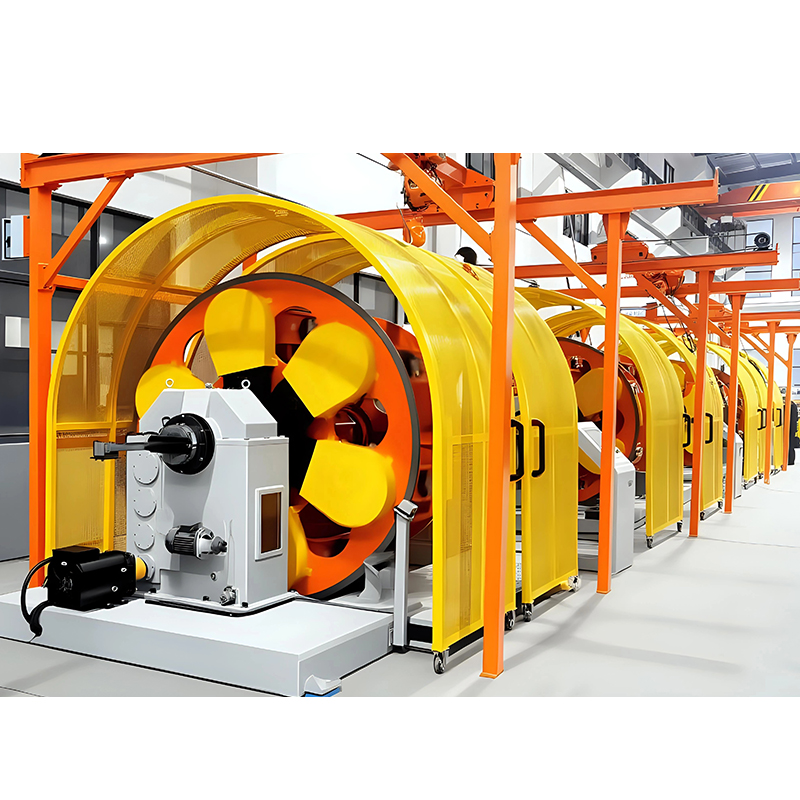
Cable stranding machines are pivotal in the manufacturing process of wires and cables, ensuring the production of high-quality, durable cables used in various industries, from telecommunications to energy sectors. These machines twist individual strands of wire into a helix, creating a finished product that is flexible and resistant to wear.
However, in high-speed production environments, the efficiency and precision of cable stranding machines become critical. These machines are designed to handle high-volume production without compromising on the quality or integrity of the final product.
Content
How Cable Stranding Machines Work
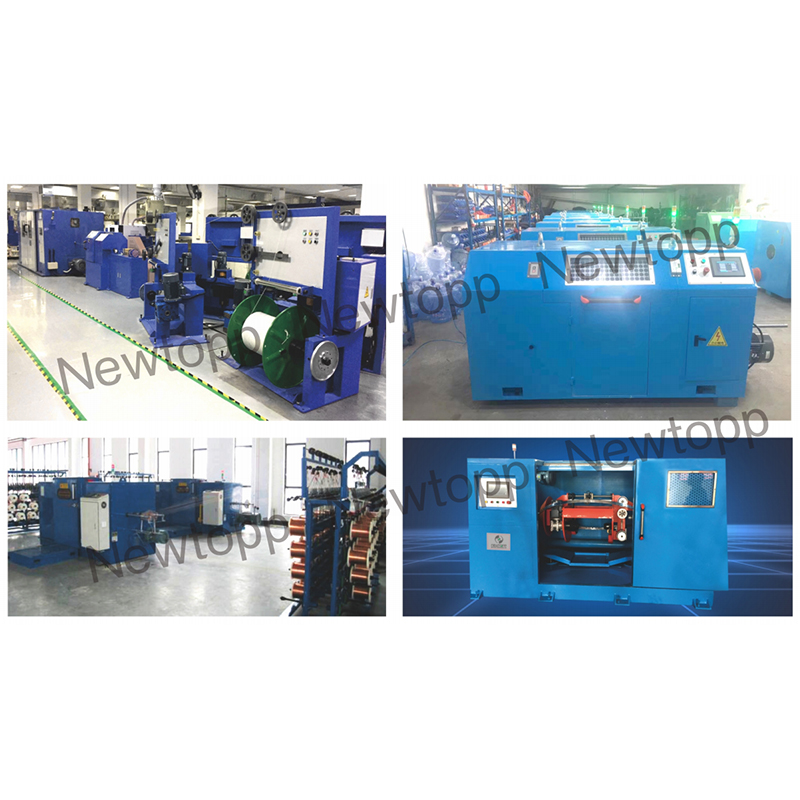
Cable stranding machines consist of several key components, each playing a significant role in the high-speed production process.
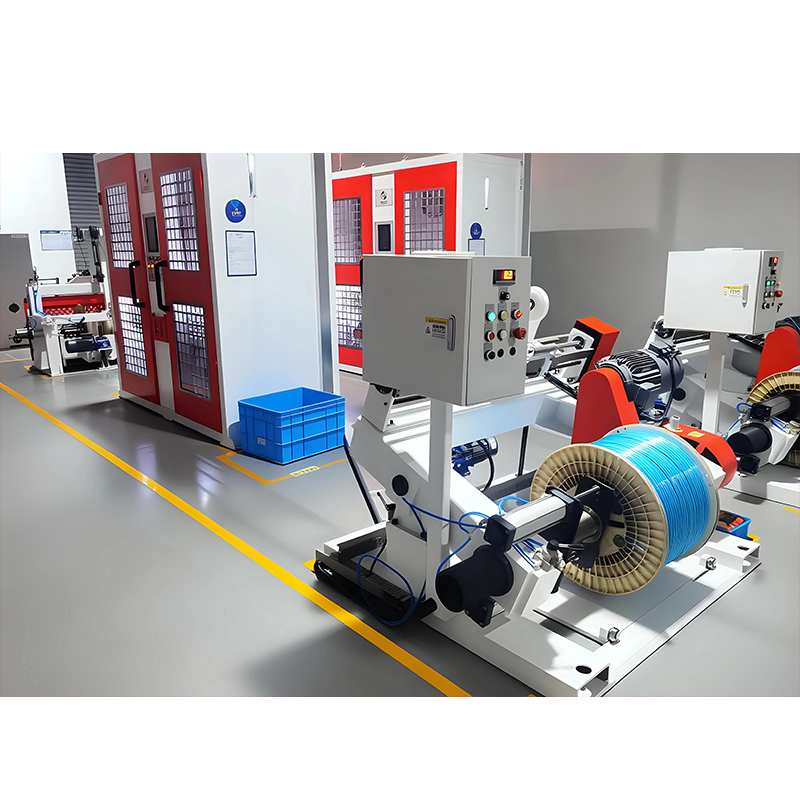
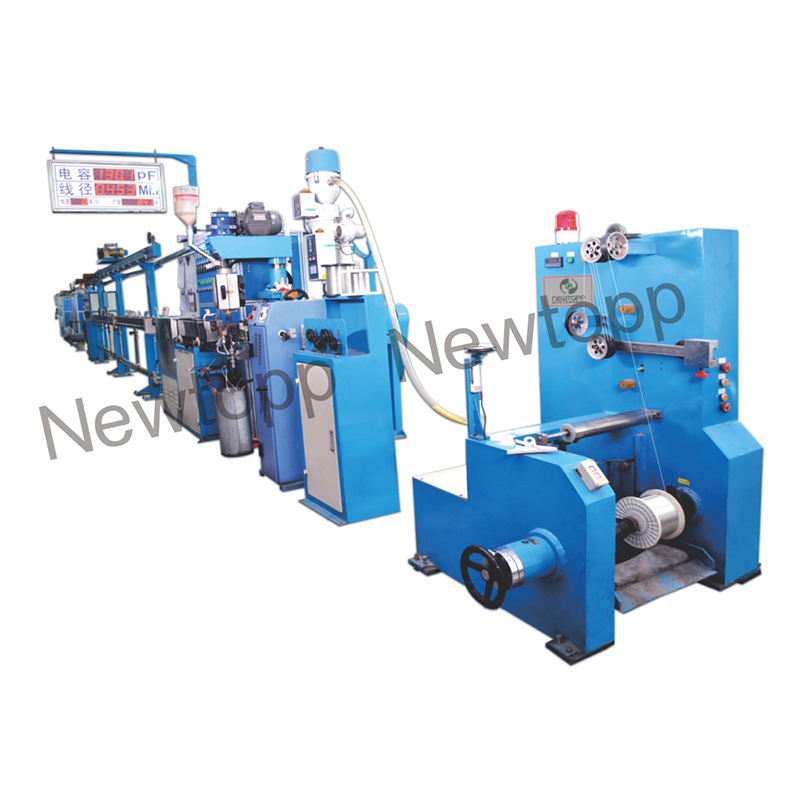
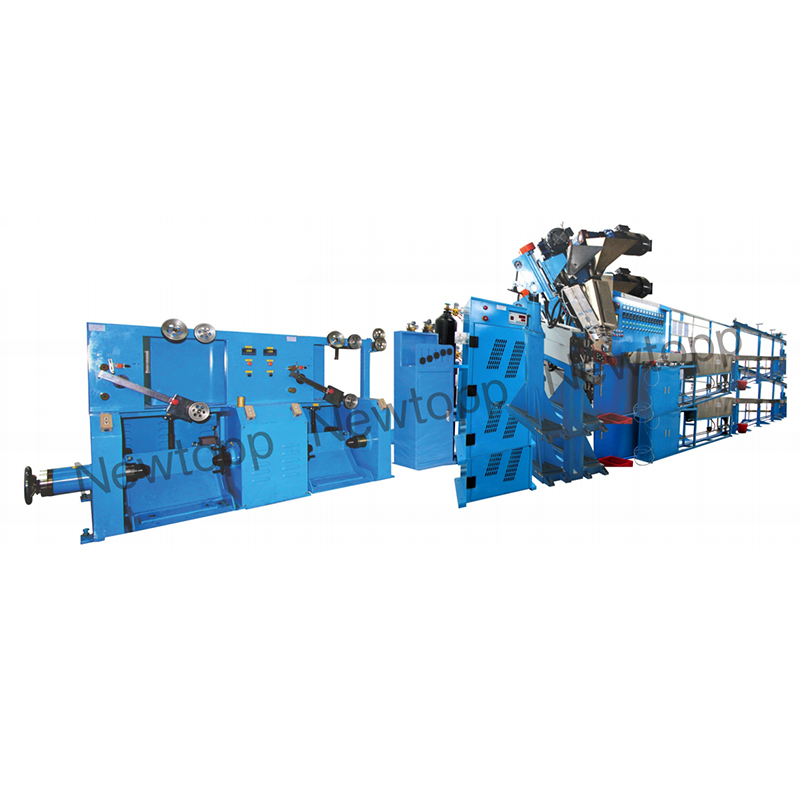
- Payoff System: The payoff system feeds the wire into the machine, ensuring a constant supply of raw material for the stranding process.
- Spooler: This component winds the finished cable onto a spool after it has been stranded, ensuring it is stored neatly and ready for the next step in the production process.
- Capstan: The capstan controls the tension of the wire as it is pulled through the machine, ensuring the correct tension is maintained for optimal quality.
- Stranding Unit: The stranding unit is responsible for twisting the wires into a helical configuration. High-speed motors and precise controls ensure that the strands are twisted tightly and evenly.
- Control Panel: The control panel regulates the operation of the machine, adjusting speed, tension, and other parameters to optimize performance.
Key Factors in High-Speed Production
In high-speed production environments, several factors determine how well the cable stranding machine performs:
1. Speed Regulation
Cable stranding machines are equipped with advanced speed control systems that allow operators to adjust the machine's operating speed according to production needs. These systems ensure that the machine can run at high speeds without sacrificing precision.
2. Tension Control
Maintaining proper tension is crucial in high-speed stranding. The tension control systems in modern machines are highly advanced, using sensors to detect and adjust the wire’s tension automatically. This ensures that each strand is wound with the appropriate amount of pressure, preventing defects in the final cable.
3. Precision Engineering
High-speed cable stranding machines rely on precision engineering to ensure consistent results. The intricate design of the machine’s components allows for tight tolerances and high production accuracy, even when operating at maximum speeds.
4. Cooling Systems
At high speeds, friction and heat generation become significant concerns. Modern cable stranding machines are equipped with cooling systems that prevent overheating and maintain the machinery's optimal performance. These systems ensure that the machine operates continuously without the risk of breakdowns due to excessive heat.
Advantages of High-Speed Cable Stranding Machines
- Increased Production Efficiency: High-speed machines drastically reduce production time, allowing manufacturers to meet the growing demand for cables in various industries.
- Reduced Operational Costs: The efficiency of these machines minimizes energy consumption and labor costs, making them a cost-effective solution for large-scale production.
- Consistent Product Quality: With advanced tension control, precision engineering, and speed regulation, the final product maintains superior quality even at high production rates.
- Improved Flexibility: Modern machines can easily be adjusted to produce a wide range of cables, from small wires to large cables used in construction and energy applications.
Challenges in High-Speed Cable Stranding Production
While high-speed cable stranding machines offer numerous benefits, they also come with challenges that manufacturers must address:
1. Maintenance Needs
High-speed production places significant strain on machinery, making regular maintenance essential. Routine checks and maintenance of components such as motors, cooling systems, and tension control mechanisms are crucial to ensure that the machine continues to operate at peak performance.
2. Quality Control
Maintaining consistent product quality can be more challenging at higher speeds. Quality control measures must be in place to identify and correct defects before they reach the end of the production line. Automated inspection systems and sensors are often used to detect issues early in the process.
3. Machine Downtime
Although modern machines are designed for high efficiency, any mechanical failure or malfunction can lead to downtime, which can affect overall production capacity. Preventative maintenance and quick repair systems are essential to minimize this risk.
Comparing High-Speed Cable Stranding Machines with Other Stranding Technologies
1. Traditional Stranding Machines
Traditional cable stranding machines operate at slower speeds and are generally less efficient in high-volume production environments. While they can produce high-quality cables, the process is much slower compared to modern high-speed machines, making them less suitable for large-scale manufacturing.
2. Flexible Stranding Machines
Flexible stranding machines are designed for applications that require cables with high flexibility. These machines can achieve higher speeds than traditional stranding units, but they are not as efficient as high-speed models when it comes to large-volume production. They are more suitable for specialized applications.
3. Tandem Stranding Machines
Tandem stranding machines offer high flexibility and are ideal for producing multi-conductor cables. These machines can be used for high-speed applications, but they are more complex and often require a higher level of maintenance compared to simpler cable stranding machines.
FAQ
- What is the maximum speed of a cable stranding machine? The maximum speed varies by machine model, but high-speed cable stranding machines can operate at speeds of up to 2000 meters per minute, depending on the cable type and size.
- Can cable stranding machines handle multiple types of wires? Yes, modern cable stranding machines can handle a wide range of wire types, including copper, aluminum, and steel, and can be adjusted to accommodate different diameters and materials.
- How do cooling systems work in high-speed stranding machines? Cooling systems prevent overheating by circulating coolant around critical components such as motors, capstans, and bearings. This ensures that the machine operates smoothly even during extended high-speed runs.
- What maintenance does a high-speed cable stranding machine require? Regular maintenance includes checking the cooling system, inspecting motors, lubricating moving parts, and ensuring that the tension control system is calibrated correctly. Preventative maintenance can help avoid machine failures and downtime.
Conclusion
High-speed cable stranding machines are revolutionizing the production of wires and cables by increasing efficiency and reducing costs while maintaining product quality. These machines are essential for meeting the growing demand for cables in industries such as telecommunications, energy, and construction. Understanding how they operate, their advantages, and the challenges involved can help manufacturers make informed decisions about their production processes.
-
Phone
+86 188 2296 5630 +86-(0)515-8510 8601Email
[email protected]
[email protected]
[email protected]
[email protected]
[email protected]
[email protected]Address
No. 168 Haitai Road, Dongtai City, Jiangsu Province, China
Copyright © 2025 Jiangsu NewTopp Precision Machinery Co., Ltd. All Rights Reserved. Wire & Cable Equipment Manufacturer
Robot Cable Production Ancillary Equipment Factory
