

 English
 русский
 Español

Industry News
Home / News / Industry News / Why Is a Cable Stranding Machine Essential in Modern Cable Manufacturing?
Home / News / Industry News / Why Is a Cable Stranding Machine Essential in Modern Cable Manufacturing?
NEWS


Why Is a Cable Stranding Machine Essential in Modern Cable Manufacturing?
2026-03-05
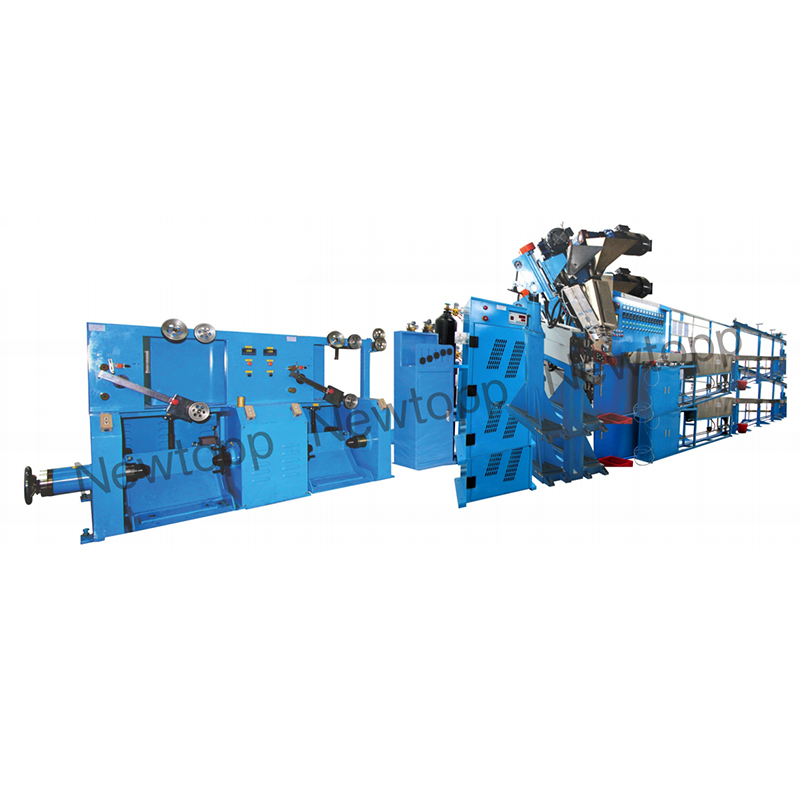
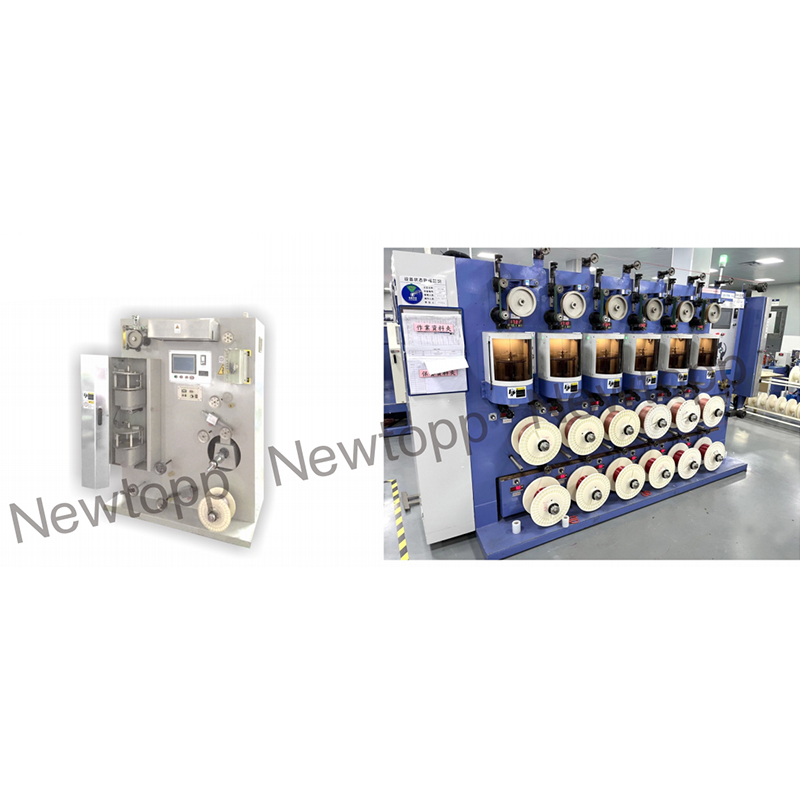
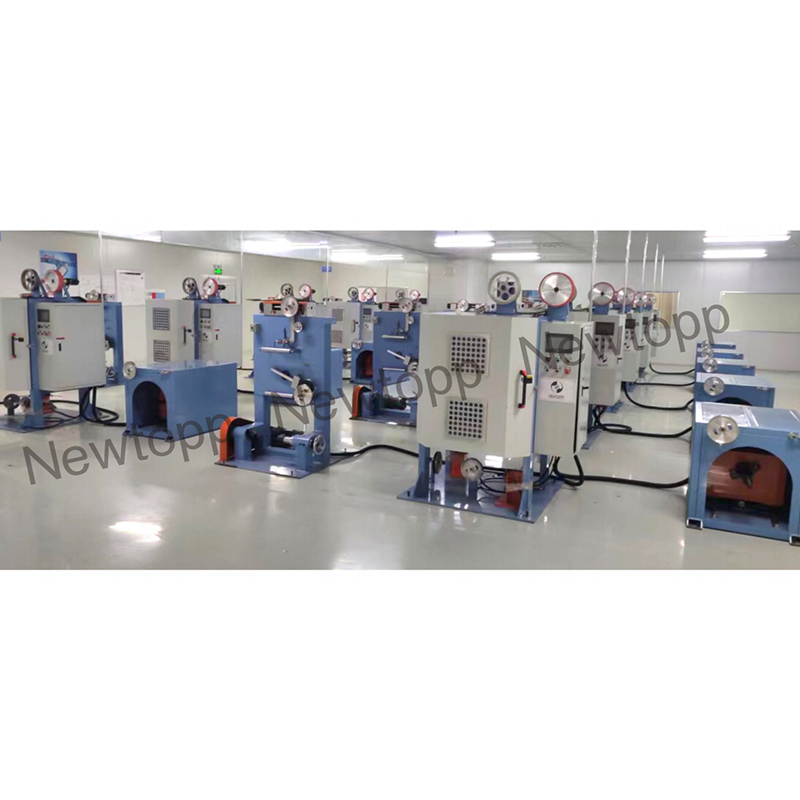
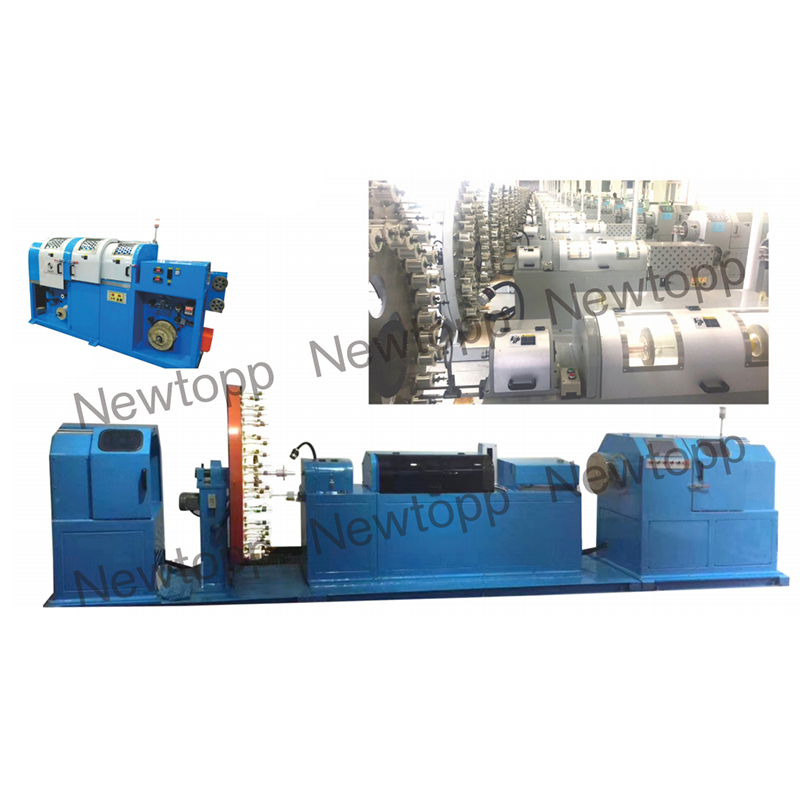
As global demand for high-performance electrical infrastructure continues to rise, the role of precision equipment in cable production has never been more critical. At the heart of this process lies the cable stranding machine—a specialized piece of industrial equipment that twists multiple wires together to form a unified, flexible, and electrically efficient conductor. Without it, modern cables simply could not meet the performance, durability, or safety standards required by today's industries.
Content
- 1 What Is a Cable Stranding Machine?
- 2 How Does a Cable Stranding Machine Work?
- 3 Types of Cable Stranding Machines
- 4 Why Is a Cable Stranding Machine Essential?
- 5 Stranded vs. Solid Conductors: A Direct Comparison
- 6 Key Parameters to Evaluate When Choosing a Cable Stranding Machine
- 7 Industrial Applications of Cable Stranding Machines
- 8 Frequently Asked Questions (FAQ)
- 8.1 Q1: What is the difference between a stranding machine and a bunching machine?
- 8.2 Q2: What materials can a cable stranding machine process?
- 8.3 Q3: How does lay length affect cable performance?
- 8.4 Q4: What maintenance does a cable stranding machine require?
- 8.5 Q5: Can a cable stranding machine be integrated into a fully automated production line?
- 9 Conclusion
What Is a Cable Stranding Machine?
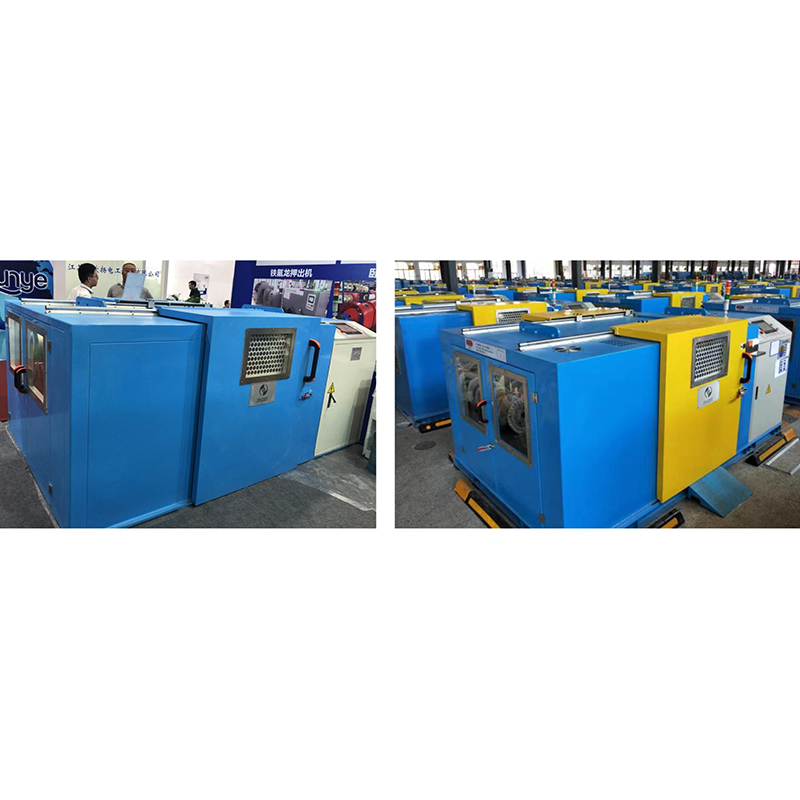
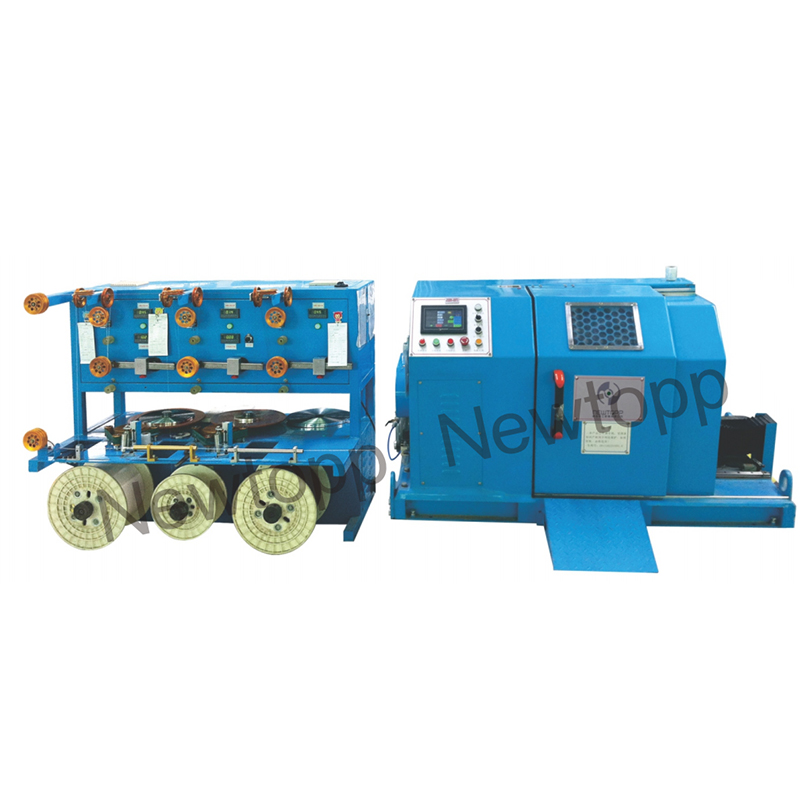
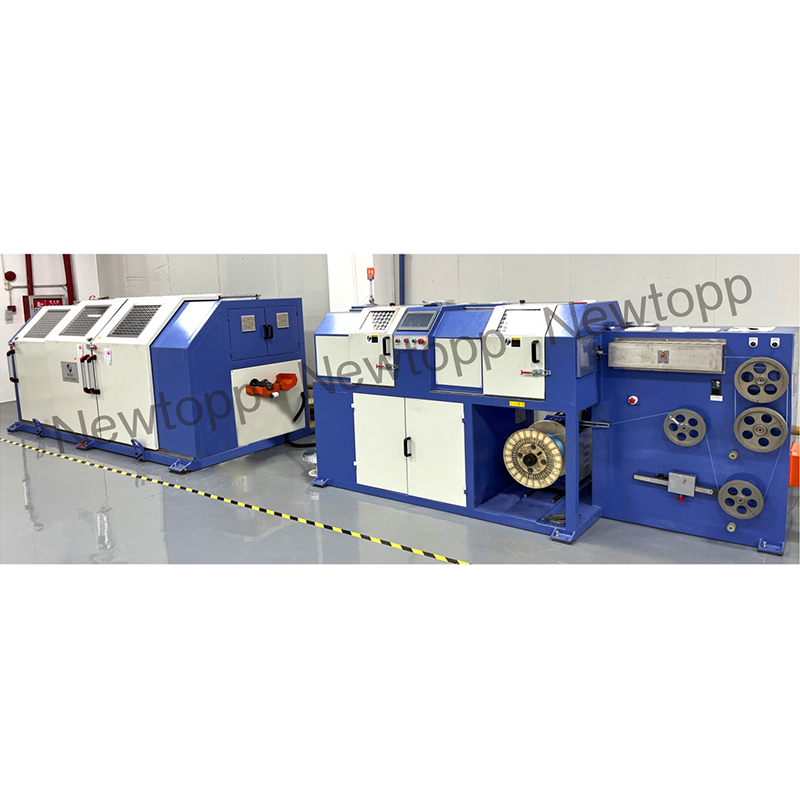
A cable stranding machine is an industrial device used to twist, braid, or lay multiple individual wires or conductors together in a helical pattern. This process—known as stranding—creates a composite conductor that is more flexible, stronger, and easier to handle than a single solid wire of equivalent cross-section.
The machine controls the pitch (lay length), tension, and rotational direction of each wire, ensuring consistent electrical characteristics and mechanical integrity across the full length of the cable.
How Does a Cable Stranding Machine Work?
Understanding the operating principle of a cable stranding machine helps manufacturers select the right configuration for their production needs.
Core Operating Steps
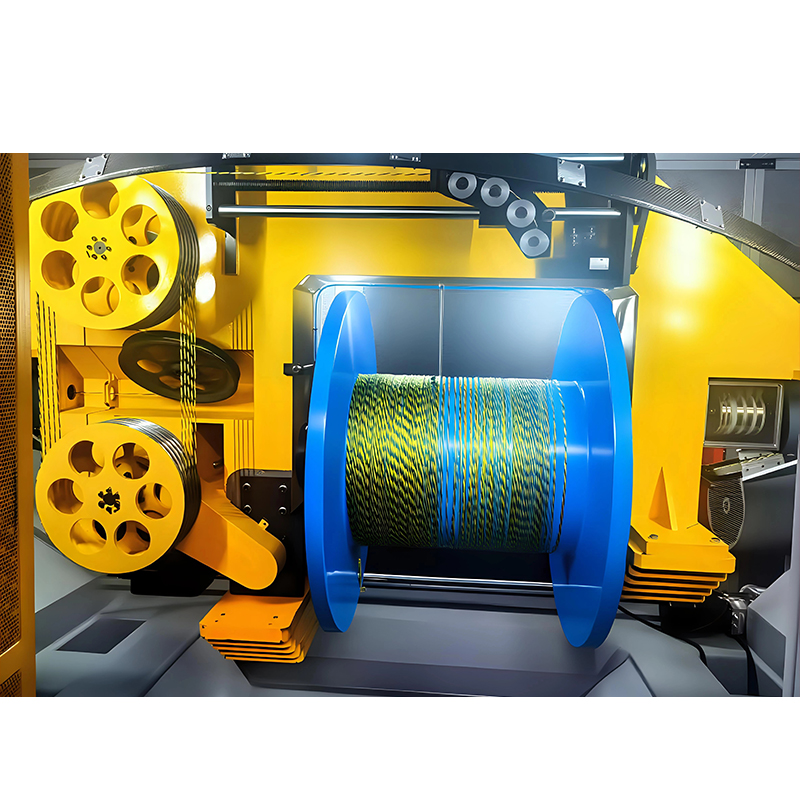
- Wire payoff: Individual wire spools are mounted on the machine's bobbins or cradles.
- Tension control: Each wire passes through a tension management system to maintain uniformity.
- Stranding die: All wires converge at a central die where they are twisted into a defined helical lay.
- Take-up system: The finished stranded conductor is wound onto a take-up reel at controlled speed.
Modern cable stranding machines incorporate PLC-based controls, servo-driven tension systems, and real-time quality monitoring to ensure repeatable precision across high-volume production runs.
Types of Cable Stranding Machines
Different cable applications demand different stranding technologies. Below is a comparison of the most widely used cable stranding machine types:
| Machine Type | Structure | Best For | Speed |
| Tubular Stranding Machine | Rotating tube with fixed bobbins | Power cables, overhead lines | High |
| Planetary Stranding Machine | Rotating cradles around central axis | Armored cables, multi-layer conductors | Medium |
| Bow Stranding Machine | Oscillating bow arms | Fine wire, communication cables | Very High |
| Rigid Stranding Machine | Fixed spool positions | Large cross-section power conductors | Low–Medium |
| Buncher (Bunch Stranding) Machine | All wires twist simultaneously | Flexible cords, appliance cables | Very High |
Why Is a Cable Stranding Machine Essential?
1. Superior Electrical Performance
Stranded conductors produced by a cable stranding machine exhibit significantly lower AC resistance compared to solid conductors of the same cross-section, due to the skin effect mitigation achieved through precise lay control. This is critical for power transmission and high-frequency signal applications.
2. Enhanced Mechanical Flexibility
A stranded conductor can bend, flex, and coil without fracturing, unlike a solid wire. This flexibility is indispensable in dynamic applications such as robotics, automotive wiring harnesses, and portable power tools—all of which depend on consistent output from a reliable cable stranding machine.
3. Scalable Production Efficiency
Modern cable stranding machines can run at extremely high speeds—some bow-type machines exceed 3,000 RPM—enabling manufacturers to meet mass market demand without sacrificing quality or dimensional consistency.
4. Versatility Across Industries
From telecommunications and energy to aerospace and automotive manufacturing, the cable stranding machine serves as the backbone of conductor fabrication across sectors requiring varying conductor sizes, lay configurations, and material types.
Stranded vs. Solid Conductors: A Direct Comparison
| Property | Stranded Conductor | Solid Conductor |
| Flexibility | Excellent | Limited |
| Fatigue Resistance | High | Low |
| AC Resistance | Lower (better) | Higher at large diameters |
| Cost | Slightly higher | Lower |
| Termination Ease | Requires care | Simple |
| Ideal Application | Dynamic, flexible, high-power | Fixed installations, low gauge |
Key Parameters to Evaluate When Choosing a Cable Stranding Machine
- Number of bobbins/carriers: Determines how many wires can be stranded simultaneously and the achievable conductor cross-section.
- Maximum wire diameter: Defines the gauge range the machine can handle, from fine AWG wires to large-section power conductors.
- Lay length range: The adjustable pitch range affects conductor flexibility and electrical performance.
- Rotational speed (RPM): Higher RPM directly increases throughput, critical for high-volume manufacturers.
- Tension control system: Consistent tension ensures uniform lay and prevents wire breakage during production.
- Automation and PLC integration: Advanced cable stranding machines offer recipe storage, remote monitoring, and fault diagnostics.
Industrial Applications of Cable Stranding Machines
The output of a cable stranding machine is found in virtually every sector of the modern economy:
- Energy & Utilities: High-voltage overhead transmission lines, underground power cables
- Telecommunications: Data cables, coaxial cables, fiber optic messenger wires
- Automotive: Wiring harnesses for EVs, sensors, and control systems
- Aerospace & Defense: Lightweight, high-reliability conductors for avionics
- Construction: Building wire, flexible conduit cables
- Marine: Shipboard power and control cables resistant to vibration and corrosion
Frequently Asked Questions (FAQ)
Q1: What is the difference between a stranding machine and a bunching machine?
A cable stranding machine lays each wire at a controlled, consistent pitch (concentric or layer stranding), producing conductors with defined electrical properties. A bunching machine twists all wires simultaneously without controlling individual lay, resulting in a flexible but less geometrically precise conductor—typically used for cords and flexible cables.
Q2: What materials can a cable stranding machine process?
Most cable stranding machines can handle copper, aluminum, steel, aluminum-clad steel (ACS), and specialty alloys. Some configurations also process optical fiber elements alongside metal conductors for hybrid cables.
Q3: How does lay length affect cable performance?
Shorter lay lengths improve flexibility and reduce AC resistance but increase the total wire length needed. Longer lay lengths reduce material usage and improve tensile strength but make the cable stiffer. The cable stranding machine's ability to adjust lay length is therefore a critical design parameter.
Q4: What maintenance does a cable stranding machine require?
Routine maintenance includes lubrication of bearings and gears, inspection of tension rollers and guides, calibration of PLC control parameters, and periodic replacement of the stranding die. Preventive maintenance schedules are typically recommended every 500–1,000 operating hours depending on machine size and throughput.
Q5: Can a cable stranding machine be integrated into a fully automated production line?
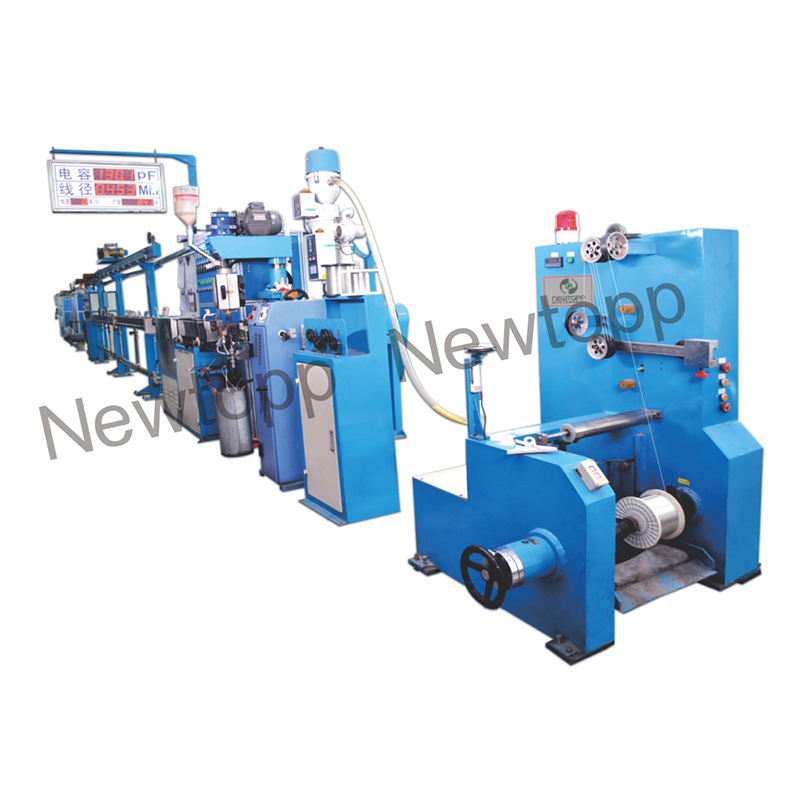
Yes. Advanced cable stranding machines are designed for seamless integration with upstream wire drawing lines and downstream extrusion or armoring equipment. With ERP/MES connectivity and automated spool handling systems, manufacturers can achieve near-continuous production with minimal manual intervention.
Conclusion
The cable stranding machine is far more than a mechanical workhorse on the factory floor—it is the defining technology that transforms raw wire into high-performance, reliable cable. Its influence extends from the fundamental electrical properties of a conductor to the mechanical durability of finished cables deployed in some of the world's most demanding environments.
For cable manufacturers seeking to remain competitive, investing in the right cable stranding machine—matched to their product range, production volume, and automation goals—is not optional. It is the foundation upon which cable quality, efficiency, and profitability are built.
-
Phone
+86 188 2296 5630 +86-(0)515-8510 8601Email
[email protected]
[email protected]
[email protected]
[email protected]
[email protected]
[email protected]Address
No. 168 Haitai Road, Dongtai City, Jiangsu Province, China
Copyright © 2025 Jiangsu NewTopp Precision Machinery Co., Ltd. All Rights Reserved. Wire & Cable Equipment Manufacturer
Robot Cable Production Ancillary Equipment Factory
