

 English
 русский
 Español

Industry News
Home / News / Industry News / How Does a Cable Stranding Machine Affect Cable Quality and Durability?
Home / News / Industry News / How Does a Cable Stranding Machine Affect Cable Quality and Durability?
NEWS


How Does a Cable Stranding Machine Affect Cable Quality and Durability?
2026-02-13
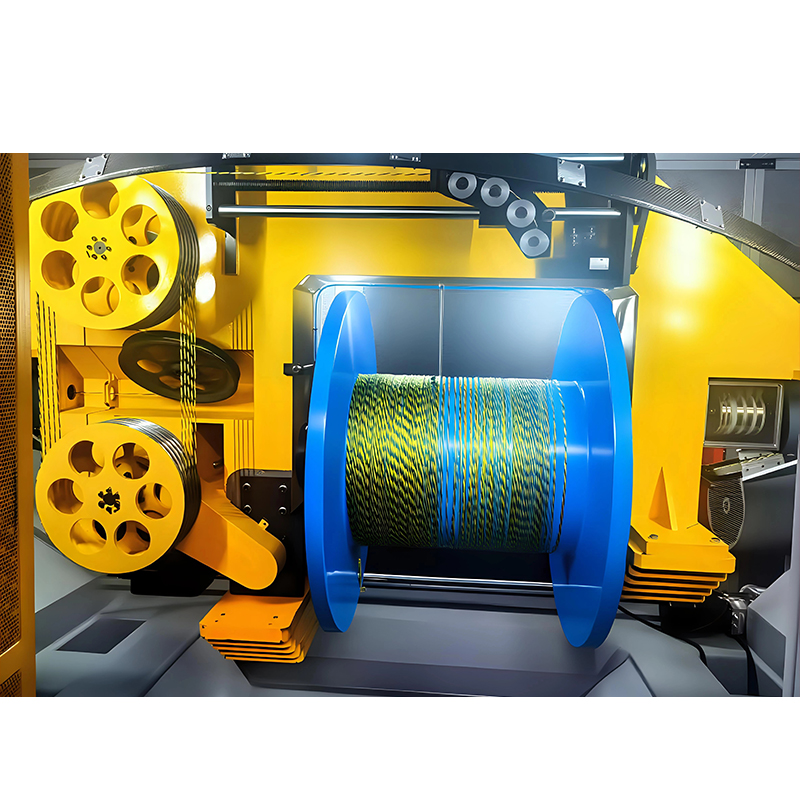
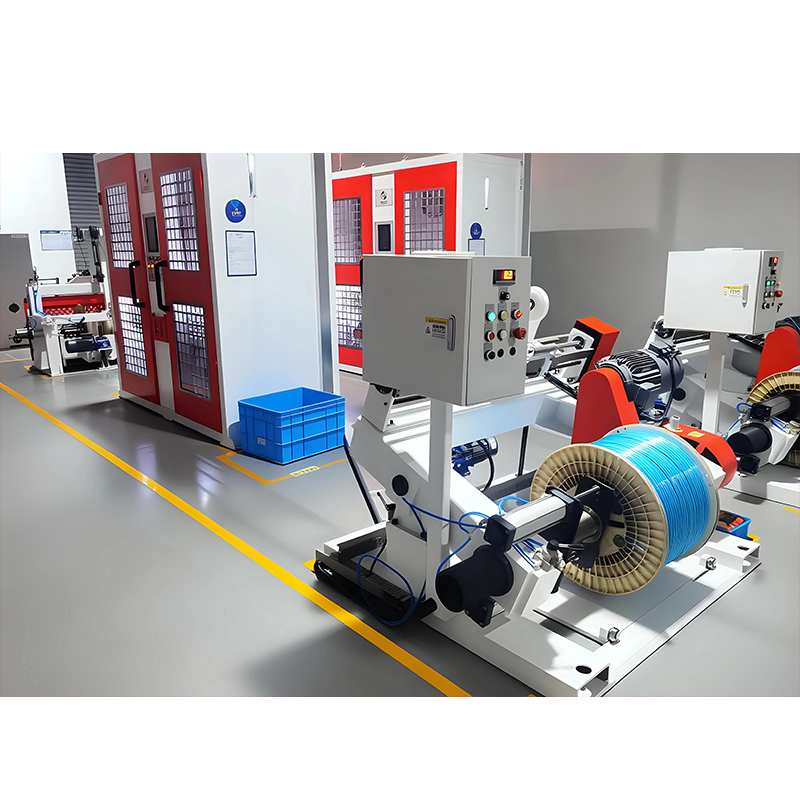
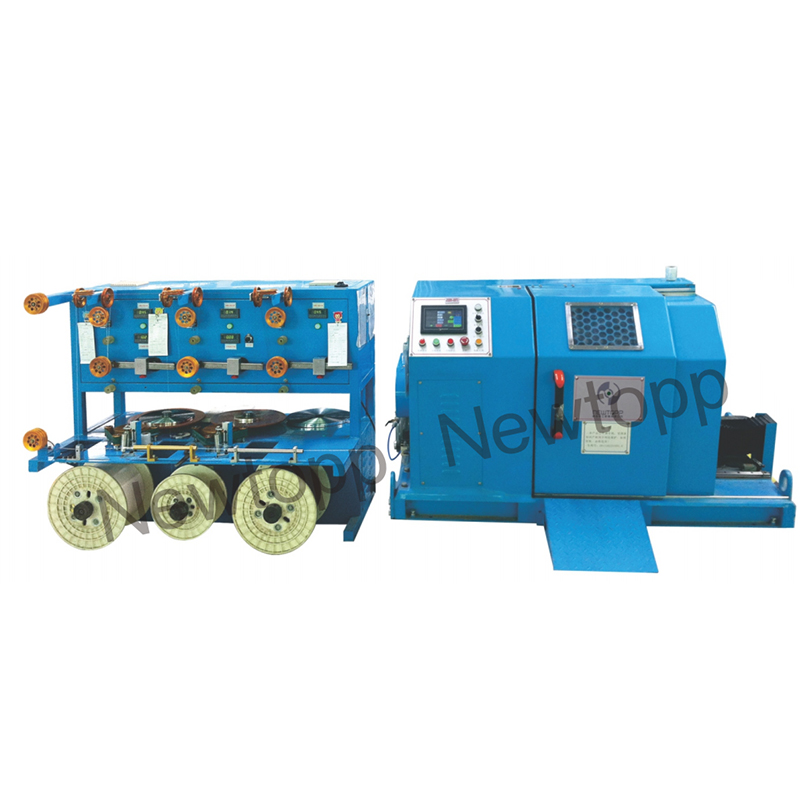
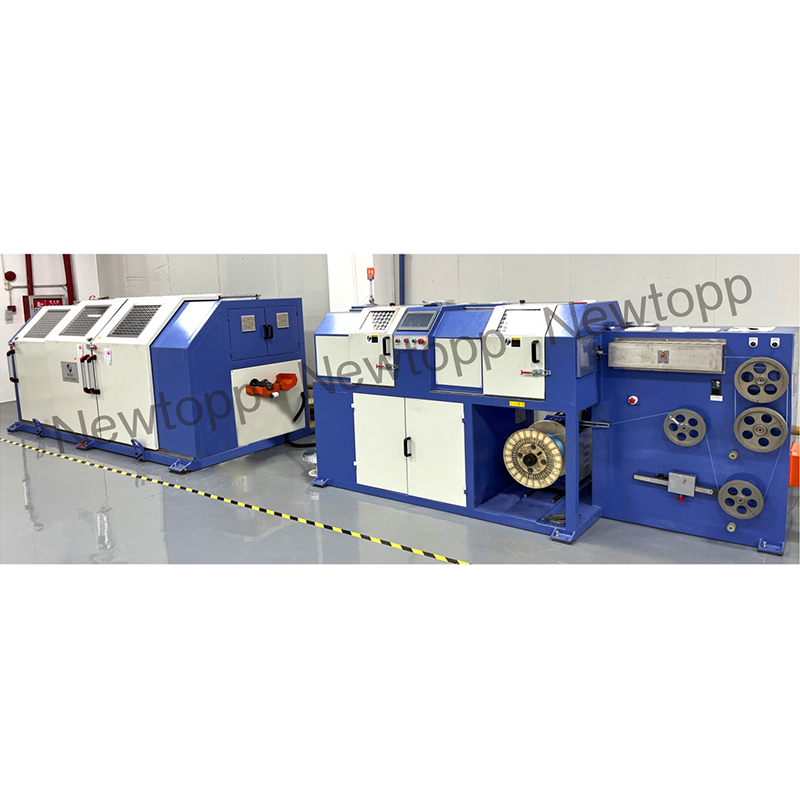
A Cable Stranding Machine is an essential piece of equipment used in the manufacturing of electrical cables. It is designed to twist individual wires or filaments together, forming a strong, durable cable. This process is crucial for enhancing the quality, performance, and longevity of cables. Stranding machines come in various designs and configurations, each tailored to meet specific manufacturing requirements.
Content
- 1 How Cable Stranding Machines Impact Cable Quality
- 2 How Cable Stranding Machines Influence Durability
- 3 Comparing Stranding Machines and Their Effects on Cable Properties
- 4 Why Precision in Cable Stranding is Key to Performance
- 5 Frequently Asked Questions (FAQ)
- 5.1 What is the difference between a cable stranding machine and a twisting machine?
- 5.2 Can a cable stranding machine affect the electrical conductivity of the cable?
- 5.3 How does the type of stranding machine affect the final product?
- 5.4 What factors determine the durability of cables produced by stranding machines?
- 6 Conclusion
How Cable Stranding Machines Impact Cable Quality
The quality of cables directly depends on the precision and efficiency of the stranding process. A well-calibrated stranding machine ensures uniformity in the wire strands, which leads to higher consistency in the final cable product. Here’s how stranding affects quality:
- Uniformity and Strength: Uniform wire tension ensures that the final cable has equal strength across its entire length. Any variation in stranding can result in weak spots, which may lead to premature failure.
- Improved Conductivity: Stranding machines improve the conductivity of cables by ensuring that wires are twisted together tightly, reducing the resistance and improving the overall electrical performance.
- Enhanced Insulation Bonding: The process of stranding often leads to better bonding between the insulation and wire, preventing damage and enhancing the cable’s ability to resist environmental stresses.
How Cable Stranding Machines Influence Durability
Durability is one of the most critical aspects of cable performance, particularly in harsh environments. A well-stranded cable has higher durability due to the following reasons:
- Resistance to Mechanical Stress: Stranded cables are more flexible and can better withstand mechanical stress, such as bending, twisting, and stretching, compared to solid cables.
- Corrosion Resistance: The stranding process can improve the protection of each wire inside the cable, especially when a coating is applied. This enhances the overall resistance to corrosion, especially in cables used outdoors or in harsh industrial environments.
- Temperature Resilience: The precise twisting of the wires in the stranding process ensures that heat is evenly distributed, reducing the risk of overheating and prolonging the cable’s life under extreme temperatures.
Comparing Stranding Machines and Their Effects on Cable Properties
Different types of stranding machines are used for various applications, and each type has its own impact on cable quality and durability. Below is a comparison of the effects:
| Stranding Machine Type | Impact on Cable Quality | Impact on Durability |
|---|---|---|
| Conventional Stranding Machine | Ensures basic uniformity, but may not handle finer cables well. | Good for general applications; might not be optimal for high-stress environments. |
| Planetary Stranding Machine | Offers superior uniformity and higher precision. | Increased resistance to fatigue and mechanical wear. |
| Double Twist Stranding Machine | Ideal for high-twist cables with more complex designs. | Improved durability due to higher twist density, better suited for industrial cables. |
| Tubular Stranding Machine | Allows for the production of cables with a high number of fine strands. | Increased flexibility and resistance to environmental damage, ideal for high-performance cables. |
Why Precision in Cable Stranding is Key to Performance
The precision with which a Cable Stranding Machine twists wires together plays a direct role in determining how well the cable will perform over time. High precision ensures that:
- The cable will maintain its integrity under mechanical stress, preventing breaks or frays.
- The electrical conductivity remains stable, which is essential for applications requiring high reliability.
- The insulation will stay intact, even when exposed to extreme weather conditions.
Frequently Asked Questions (FAQ)
What is the difference between a cable stranding machine and a twisting machine?
A cable stranding machine twists individual wires into strands to form cables, while a twisting machine usually refers to a machine used to twist already stranded wires together to form the final cable.
Can a cable stranding machine affect the electrical conductivity of the cable?
Yes, the stranding process plays a critical role in maintaining the conductivity of the cable. A well-stranded cable will have reduced resistance, allowing it to conduct electricity more efficiently.
How does the type of stranding machine affect the final product?
Each type of stranding machine offers different advantages depending on the application. For example, planetary stranding machines provide more precision and better uniformity than conventional machines, which can directly affect the cable's performance and durability.
What factors determine the durability of cables produced by stranding machines?
Key factors include the precision of the stranding process, the materials used, the machine type, and the application conditions. Higher precision and quality materials lead to cables with better mechanical resistance and longer lifespans.
Conclusion
In conclusion, the use of a Cable Stranding Machine is pivotal to ensuring the quality and durability of cables. The machine’s precision influences key aspects such as uniformity, conductivity, resistance to mechanical stress, and environmental resilience. With the right machine and process, manufacturers can produce cables that perform reliably over time, meeting the demands of modern electrical systems.
-
Phone
+86 188 2296 5630 +86-(0)515-8510 8601Email
[email protected]
[email protected]
[email protected]
[email protected]
[email protected]
[email protected]Address
No. 168 Haitai Road, Dongtai City, Jiangsu Province, China
Copyright © 2025 Jiangsu NewTopp Precision Machinery Co., Ltd. All Rights Reserved. Wire & Cable Equipment Manufacturer
Robot Cable Production Ancillary Equipment Factory
