

 English
 русский
 Español

Industry News
NEWS


What Are the Common Maintenance Tips for a Cable Stranding Machine?
2026-02-19
A Cable Stranding Machine plays a vital role in the manufacturing of cables by twisting and combining different wires or filaments into a strand. To ensure consistent output and avoid costly breakdowns, regular maintenance is crucial.
Content
- 1 1. Regular Cleaning and Lubrication
- 2 2. Inspecting the Drive System
- 3 3. Monitoring Electrical Components
- 4 4. Tension Control and Adjustment
- 5 5. Checking the Payoff and Take-up Units
- 6 6. Routine Calibration of the Machine
- 7 7. Maintaining the Cooling System
- 8 8. Conducting Regular Safety Inspections
- 9 Table: Maintenance Checklist for Cable Stranding Machine
- 10 Frequently Asked Questions (FAQ)
1. Regular Cleaning and Lubrication
Cleaning and lubrication are the most fundamental yet essential maintenance tasks for a Cable Stranding Machine. Dust, dirt, and debris can accumulate on the moving parts, causing friction and wear. This can lead to machine breakdowns or poor performance over time.
- Cleaning: Periodically remove any dust, dirt, or wire remnants that might have accumulated on the machine. Use appropriate cleaning agents or a soft brush to avoid damaging sensitive parts.
- Lubrication: Apply the recommended lubricant to moving parts, including bearings, gears, and motors. Use high-quality lubricants designed for the specific parts of the machine to avoid unnecessary wear.
2. Inspecting the Drive System
The drive system is a critical component of a Cable Stranding Machine. Regular inspections ensure that belts, pulleys, and gears are functioning properly and prevent unexpected downtimes.
- Check for Wear and Tear: Inspect belts, gears, and pulleys for any signs of damage or wear. Replace worn-out parts immediately to avoid more severe issues.
- Monitor Drive Belt Tension: Ensure that drive belts are not too loose or too tight. Adjust the tension as per the manufacturer’s specifications to ensure smooth operation.
3. Monitoring Electrical Components
Electrical malfunctions can significantly affect the performance of your Cable Stranding Machine. It’s essential to regularly check the electrical system, including wires, circuits, and control panels, for signs of wear or damage.
- Check for Loose Connections: Ensure that all electrical connections are secure and free of corrosion. Loose or frayed wires can cause electrical failures or even fires.
- Test Circuit Boards: Conduct regular tests on circuit boards to check for faulty components. If a circuit board is malfunctioning, it could result in inconsistent operation.
4. Tension Control and Adjustment
Proper tension control is essential for producing high-quality stranded cables. If the tension is too loose or too tight, it can affect the strand's integrity, leading to defects in the final product.
- Regular Adjustment: Regularly check the tension of the wire being fed into the stranding machine. Adjust the tension settings as needed to ensure consistent strand quality.
- Monitor Tension Sensors: Ensure that tension sensors are calibrated correctly and functioning as expected to prevent any issues with wire quality.
5. Checking the Payoff and Take-up Units
The payoff and take-up units are responsible for feeding and collecting the wires. Regular checks of these units can prevent issues such as over-tensioning or uneven wire feed.
- Ensure Proper Alignment: Ensure the payoff and take-up units are aligned properly. Misalignment can cause the wire to twist unevenly, affecting the overall quality of the stranded cable.
- Monitor Wire Feed: Check the wire feed for consistency. Variations in the feed rate can lead to defects in the final product.
6. Routine Calibration of the Machine
Calibration ensures that all components of the Cable Stranding Machine are functioning optimally. Regular calibration can prevent minor issues from becoming major problems.
- Check for Accurate Stranding Ratio: Ensure that the stranding ratio remains within the specified limits to maintain the desired cable structure.
- Test for Even Twisting: Regularly test the machine for even twisting of the strands to ensure uniform quality in the final product.
7. Maintaining the Cooling System
The cooling system prevents the machine’s components from overheating during operation. A failure in the cooling system can lead to significant damage to sensitive parts.
- Check for Blockages: Ensure that there are no blockages in the cooling lines or fans. Clean these components regularly to avoid overheating.
- Monitor Fluid Levels: Keep an eye on the coolant levels and top them up as required to ensure the system functions effectively.
8. Conducting Regular Safety Inspections
Safety should always be a top priority. Regular safety inspections can help prevent accidents and protect both operators and the machine itself.
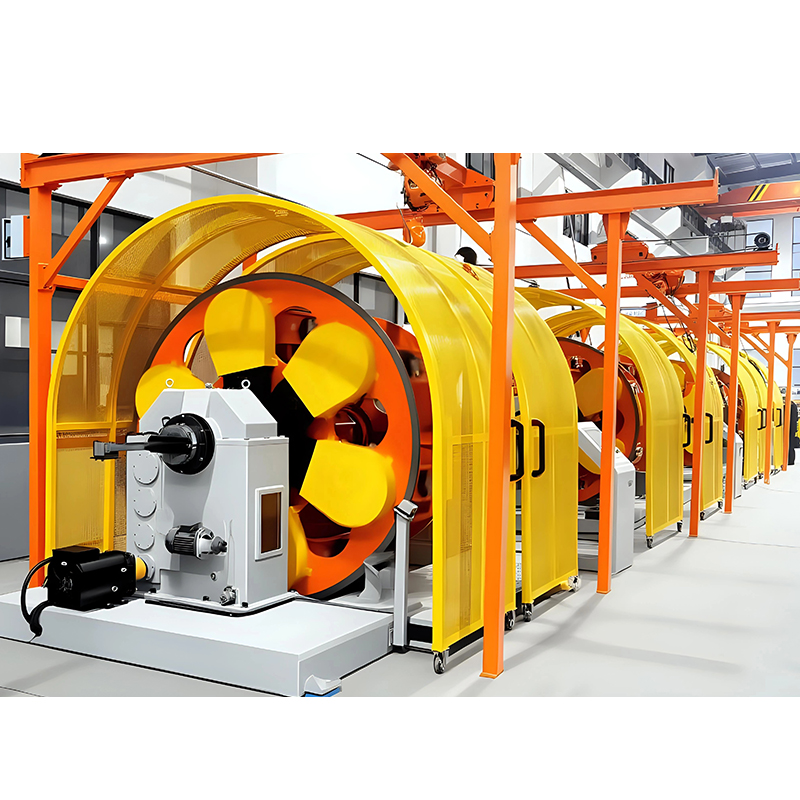
- Check Safety Guards: Ensure that all safety guards and covers are in place and functional to protect operators from moving parts.
- Test Emergency Stops: Test the emergency stop system regularly to ensure it functions properly in case of an emergency.
Table: Maintenance Checklist for Cable Stranding Machine
| Task | Frequency | Details |
|---|---|---|
| Cleaning and Lubrication | Daily | Clean and lubricate moving parts to prevent wear and tear. |
| Drive System Inspection | Weekly | Check for wear and adjust tension as needed. |
| Electrical System Check | Monthly | Inspect wires and circuit boards for wear. |
| Tension Control Adjustment | As Needed | Adjust tension to maintain consistent strand quality. |
| Calibration | Quarterly | Ensure stranding ratio and twisting are accurate. |
| Cooling System Check | Monthly | Ensure no blockages and adequate coolant levels. |
| Safety Inspection | Weekly | Check safety guards and emergency stop systems. |
Frequently Asked Questions (FAQ)
What happens if the Cable Stranding Machine is not properly maintained?
If the Cable Stranding Machine is not maintained regularly, it may experience performance issues, increased downtime, or even complete failure, resulting in high repair costs and potential safety hazards.
How often should I clean the Cable Stranding Machine?
Cleaning should be done daily or as needed, depending on the intensity of use. Regular cleaning prevents dust and debris from affecting machine performance.
Can I perform maintenance on my Cable Stranding Machine myself?
Yes, most basic maintenance tasks like cleaning and lubrication can be performed by machine operators. However, more complex tasks, such as electrical inspections or drive system adjustments, should be done by trained professionals.
-
Phone
+86 188 2296 5630 +86-(0)515-8510 8601Email
[email protected]
[email protected]
[email protected]
[email protected]
[email protected]
[email protected]Address
No. 168 Haitai Road, Dongtai City, Jiangsu Province, China
Copyright © 2025 Jiangsu NewTopp Precision Machinery Co., Ltd. All Rights Reserved. Wire & Cable Equipment Manufacturer
Robot Cable Production Ancillary Equipment Factory
