

 English
 русский
 Español

Industry News
NEWS


How to Choose the Right Cable Stranding Machine for Your Factory?
2026-03-13
Quick Answer: To choose the right cable stranding machine for your factory, first define your cable type and conductor material, then evaluate machine configurations (tubular, planetary, or rigid frame), match the stranding pitch and speed to your product specs, and verify the manufacturer's after-sales support before purchasing.
Selecting the right cable stranding machine is one of the most critical investment decisions a cable manufacturer can make. The wrong choice can result in poor product quality, production downtime, and wasted capital. This guide walks you through every key factor — from machine types and technical specifications to cost comparison and frequently asked questions — so you can make a confident, informed decision.
Content
- 1 1. What Is a Cable Stranding Machine and Why Does It Matter?
- 2 2. Types of Cable Stranding Machines: A Comparative Overview
- 3 3. Key Technical Specifications to Evaluate
- 4 4. Matching the Machine to Your Cable Product Range
- 5 5. Automation and Control System Considerations
- 6 6. Floor Space, Installation, and Environmental Factors
- 7 7. Total Cost of Ownership: Beyond the Purchase Price
- 8 8. Evaluating Suppliers: What to Look For
- 9 9. Step-by-Step Decision Framework
- 10 FAQ: Cable Stranding Machine Selection
- 11 Conclusion
1. What Is a Cable Stranding Machine and Why Does It Matter?
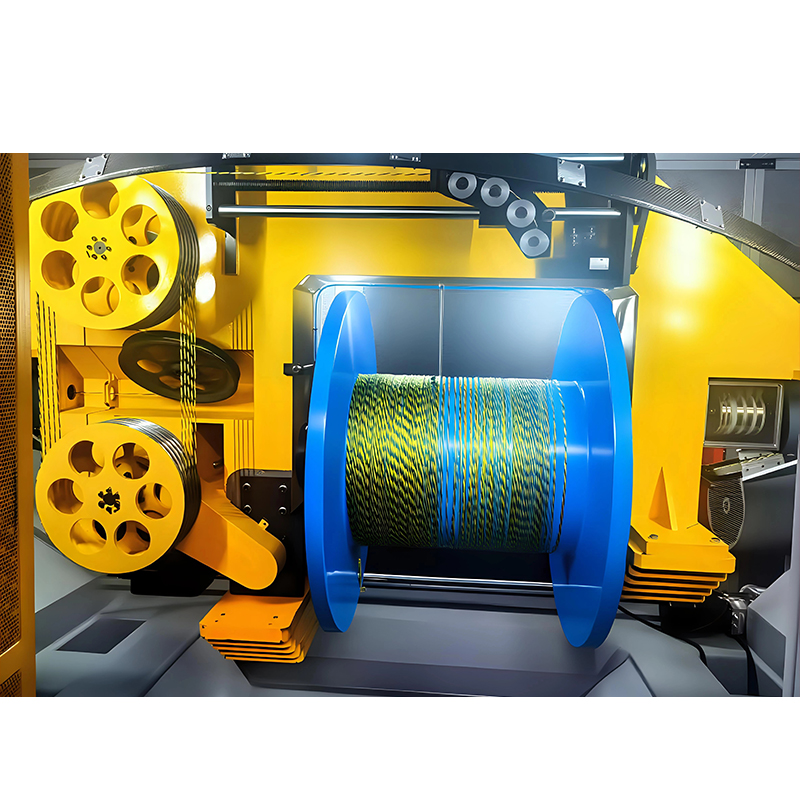
A cable stranding machine is industrial equipment used to twist or lay multiple individual wires or conductors together to form a strand or cable core. The stranding process determines the cable's flexibility, tensile strength, electrical conductivity, and durability. Choosing a machine that aligns with your production goals directly impacts the quality and competitiveness of your final product.
Whether you produce power cables, communication cables, coaxial cables, or specialty wire ropes, the cable stranding machine lies at the heart of your manufacturing line.
2. Types of Cable Stranding Machines: A Comparative Overview
There are three primary configurations of cable stranding machines, each suited to different production scenarios:
2.1 Tubular Stranding Machine
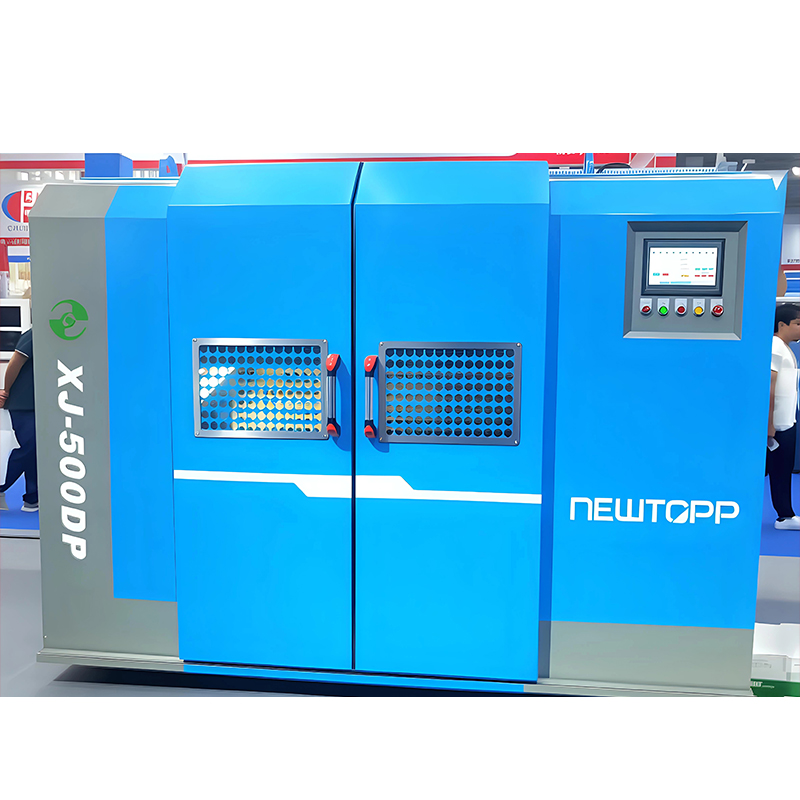
A tubular stranding machine features a rotating tube that carries the wire bobbins around a central axis. It is best suited for medium to large cross-section conductors and is widely used for power cable production. It offers high stranding speed and consistent lay length.
2.2 Planetary (Bow) Stranding Machine
In a planetary stranding machine, each bobbin rotates on its own axis while also orbiting the main shaft. This design produces extremely flexible cables with low residual stress, making it ideal for fine wire, control cables, and instrumentation cables.
2.3 Rigid (Frame) Stranding Machine
A rigid frame stranding machine (also called a skip stranding or cradle stranding machine) is designed for very large conductors such as ACSR (aluminum conductor steel reinforced) and OPGW (optical ground wire). It handles large bobbin capacities and is ideal for overhead transmission line production.
Machine Type Comparison Table:
| Machine Type | Best For | Wire Range | Speed | Flexibility Output |
| Tubular | Power cables, medium conductors | 0.5mm – 50mm² | High | Medium |
| Planetary | Fine wire, control/instrumentation cables | 0.05mm – 6mm² | Medium | Very High |
| Rigid Frame | ACSR, OPGW, large overhead conductors | 50mm² – 1000mm²+ | Low–Medium | Low |
3. Key Technical Specifications to Evaluate
When comparing cable stranding machines, pay close attention to the following technical parameters:
3.1 Number of Bobbins (Wire Carriers)
The number of bobbins determines the number of wires that can be stranded simultaneously. Common configurations include 7, 12, 19, 24, 37, and 61 bobbins. Match this to the conductor construction standard you follow (e.g., IEC 60228, ASTM B8).
3.2 Stranding Pitch (Lay Length)
Stranding pitch refers to the distance along the cable axis for one complete twist. A shorter pitch increases flexibility; a longer pitch improves conductivity and reduces resistance. Ensure the machine offers adjustable pitch ranges to meet different product standards.
3.3 Line Speed and Production Capacity
Line speed (measured in m/min) directly affects your daily output. Consider the average operating speed, not just the maximum rated speed. Higher speeds require more precise tension control systems to avoid wire breakage.
3.4 Tension Control System
A reliable tension control system ensures even wire feeding, preventing loose strands or uneven lay. Look for machines with individual dancer-arm tension control or electronic servo-driven tension systems for superior consistency.
3.5 Drive System: Mechanical vs. Servo-Electric
Modern cable stranding machines increasingly use servo-electric drive systems instead of traditional mechanical gearboxes. Servo systems offer:
- Greater energy efficiency (up to 30% savings)
- Faster changeover between pitch settings
- Reduced maintenance from fewer mechanical parts
- Easier integration with PLC/SCADA systems
4. Matching the Machine to Your Cable Product Range
Your cable stranding machine must align with the specific products your factory manufactures. Use the table below as a quick reference guide:
| Cable Product | Recommended Machine Type | Special Requirements |
| Low-voltage power cable | Tubular stranding machine | High-speed, multi-bobbin |
| Flexible control cable | Planetary stranding machine | Low residual torsion |
| Overhead transmission conductor | Rigid frame stranding machine | Large bobbin capacity |
| Coaxial / data cable | Planetary stranding machine | Ultra-fine wire capability |
| Automotive wiring harness | Tubular or Planetary | High flexibility, small conductor |
5. Automation and Control System Considerations
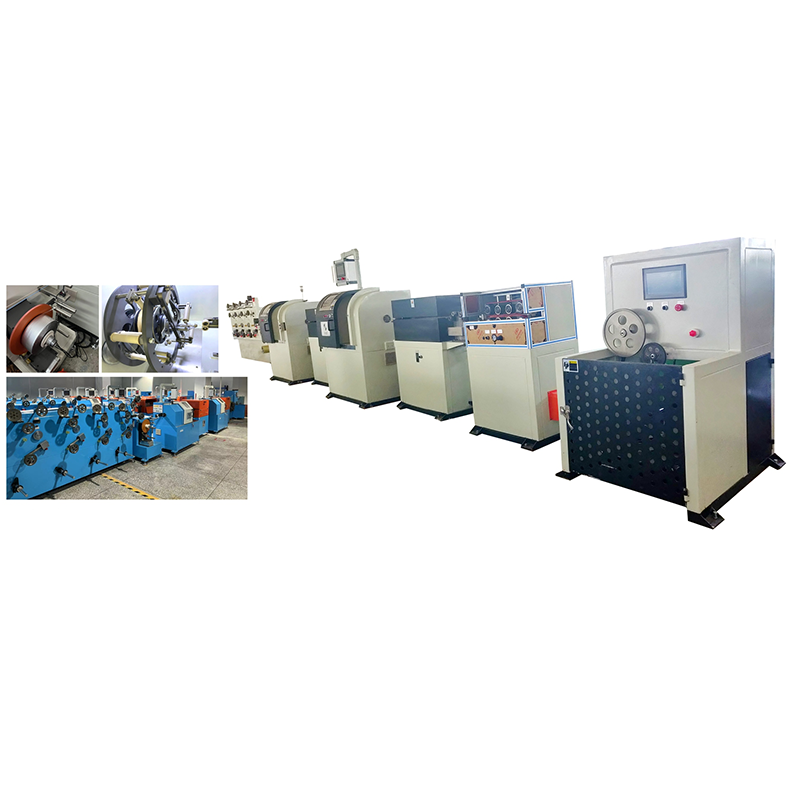
Modern cable stranding machines should integrate with your factory's overall automation strategy. Key automation features to look for include:
- PLC-based control panels with touchscreen HMI for easy operation
- Automatic wire break detection with instant machine stop to prevent material waste
- Data logging and production reporting for quality traceability
- Remote monitoring and diagnostics via Ethernet/Wi-Fi integration
- Automatic bobbin counting and pitch calculation
A fully automated cable stranding machine significantly reduces operator dependency and ensures consistent output quality across shifts, making it a critical factor in high-volume production environments.
6. Floor Space, Installation, and Environmental Factors
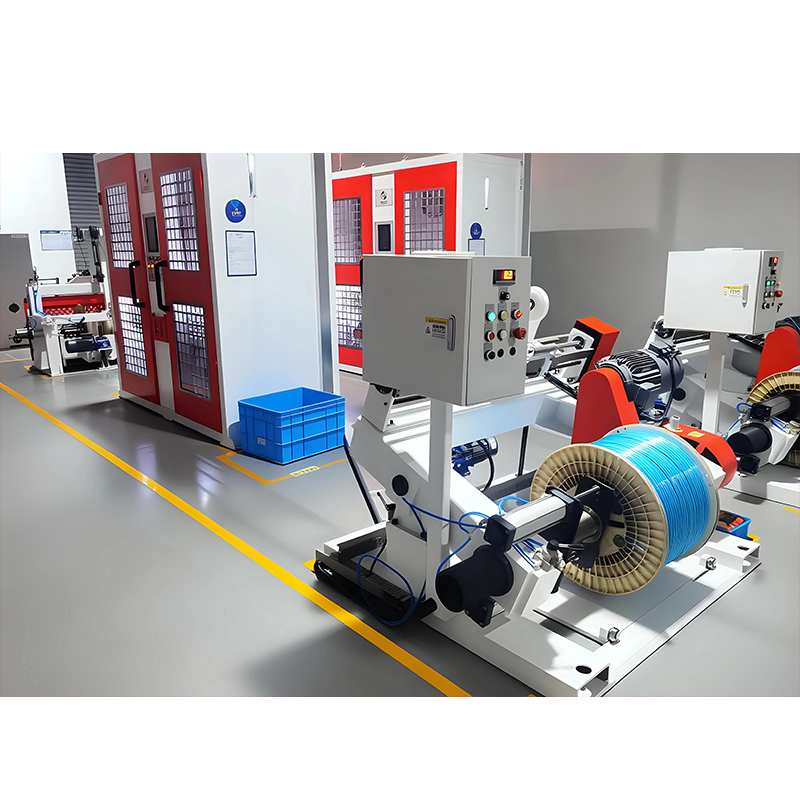
Before purchasing a cable stranding machine, evaluate your factory's physical constraints:
6.1 Machine Footprint
Larger machines (such as rigid frame types) can exceed 20 meters in length. Ensure your production hall has adequate floor space, ceiling height for overhead cranes, and a reinforced floor for heavy equipment loads.
6.2 Power Supply Requirements
Confirm the machine's voltage, phase, and power consumption match your facility's electrical infrastructure. Industrial cable stranding machines typically require three-phase 380V–480V power supplies with dedicated circuit breakers.
6.3 Noise and Vibration Control
High-speed stranding generates significant noise (often 80–95 dB). Evaluate whether the machine includes vibration-dampening mounts and whether your facility requires acoustic shielding to comply with workplace safety regulations.
7. Total Cost of Ownership: Beyond the Purchase Price
The initial price of a cable stranding machine is only one part of the equation. A comprehensive total cost of ownership (TCO) analysis should include:
| Cost Category | Description | Impact Level |
| Capital Cost | Purchase price of the machine | High (one-time) |
| Installation | Foundation work, electrical setup, commissioning | Medium |
| Energy Consumption | Ongoing electricity cost per shift | High (ongoing) |
| Spare Parts | Bearings, bobbin holders, tension springs | Medium |
| Maintenance Labor | Scheduled preventive maintenance hours | Medium |
| Downtime Cost | Lost production during unplanned stops | Very High |
A machine with a 10–15% higher purchase price but superior reliability and energy efficiency can deliver significantly lower TCO over a 10-year production lifecycle.
8. Evaluating Suppliers: What to Look For
Choosing the right supplier for your cable stranding machine is as important as choosing the right machine. Key supplier evaluation criteria include:
- Industry experience: Has the supplier served cable manufacturers in your product segment for at least 10 years?
- Reference customers: Can they provide case studies or factory visits with existing clients?
- Customization capability: Can the machine be configured to your specific conductor range and production volume?
- After-sales service: Do they offer on-site commissioning, operator training, and a guaranteed response time for technical support?
- Spare parts availability: Are critical components stocked locally or available within 48–72 hours?
- Certification and compliance: Does the machine meet CE, ISO, or relevant local safety standards?
9. Step-by-Step Decision Framework
Use this structured approach when selecting a cable stranding machine for your facility:
- Define your product specifications — conductor type, cross-section range, number of wires, required flexibility
- Determine your production volume — daily output targets, number of shifts, capacity growth projections
- Select the appropriate machine type — tubular, planetary, or rigid frame based on product requirements
- Evaluate technical specifications — bobbins, pitch range, speed, tension system, drive technology
- Assess automation requirements — level of PLC integration, data logging, remote monitoring needed
- Review your factory constraints — space, power supply, floor load capacity
- Calculate total cost of ownership — not just purchase price but energy, maintenance, and downtime risk
- Shortlist and audit suppliers — check references, certifications, and after-sales support
- Request a factory acceptance test (FAT) before final delivery
FAQ: Cable Stranding Machine Selection
Conclusion
Choosing the right cable stranding machine for your factory requires a methodical evaluation of your product requirements, production targets, technical specifications, and long-term operational costs. Whether you need a high-speed tubular stranding machine for power cables, a low-torsion planetary stranding machine for flexible cables, or a heavy-duty rigid frame stranding machine for overhead conductors, the right match between machine capability and factory need is what drives consistent quality and profitability.
Take time to audit suppliers carefully, request detailed technical proposals, and always calculate total cost of ownership — not just the sticker price. A well-chosen cable stranding machine is not just a piece of equipment; it is a long-term production asset that shapes the quality and competitiveness of everything your factory produces.
-
Phone
+86 188 2296 5630 +86-(0)515-8510 8601Email
[email protected]
[email protected]
[email protected]
[email protected]
[email protected]
[email protected]Address
No. 168 Haitai Road, Dongtai City, Jiangsu Province, China
Copyright © 2025 Jiangsu NewTopp Precision Machinery Co., Ltd. All Rights Reserved. Wire & Cable Equipment Manufacturer
Robot Cable Production Ancillary Equipment Factory
