

 English
 русский
 Español


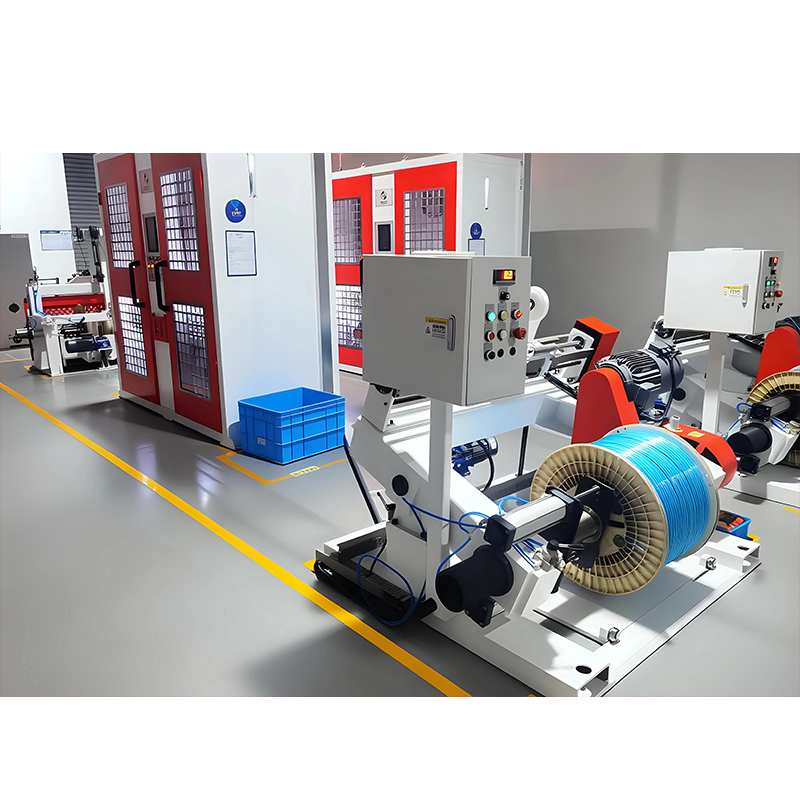
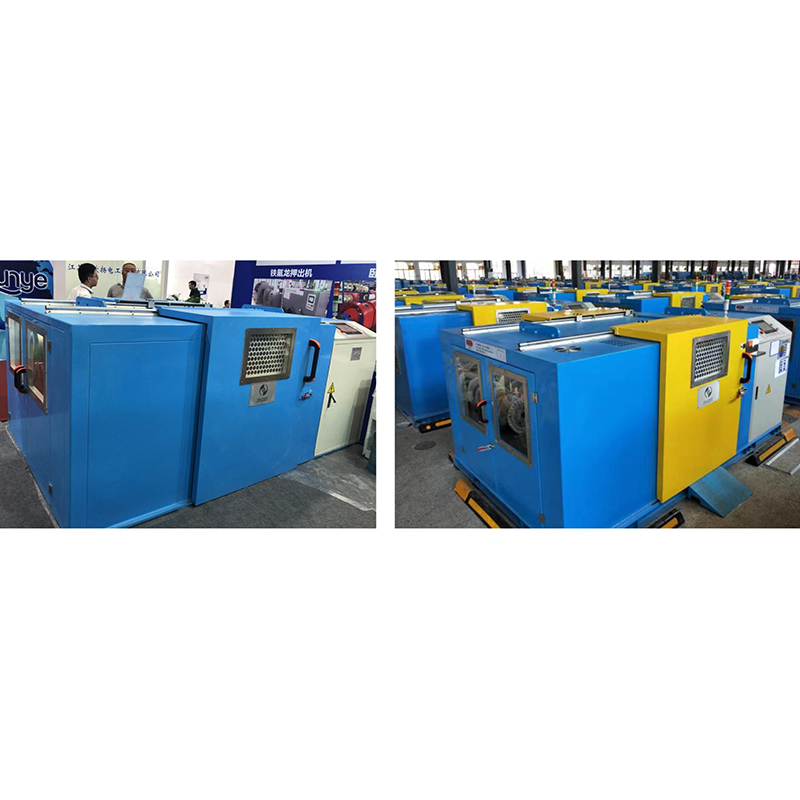
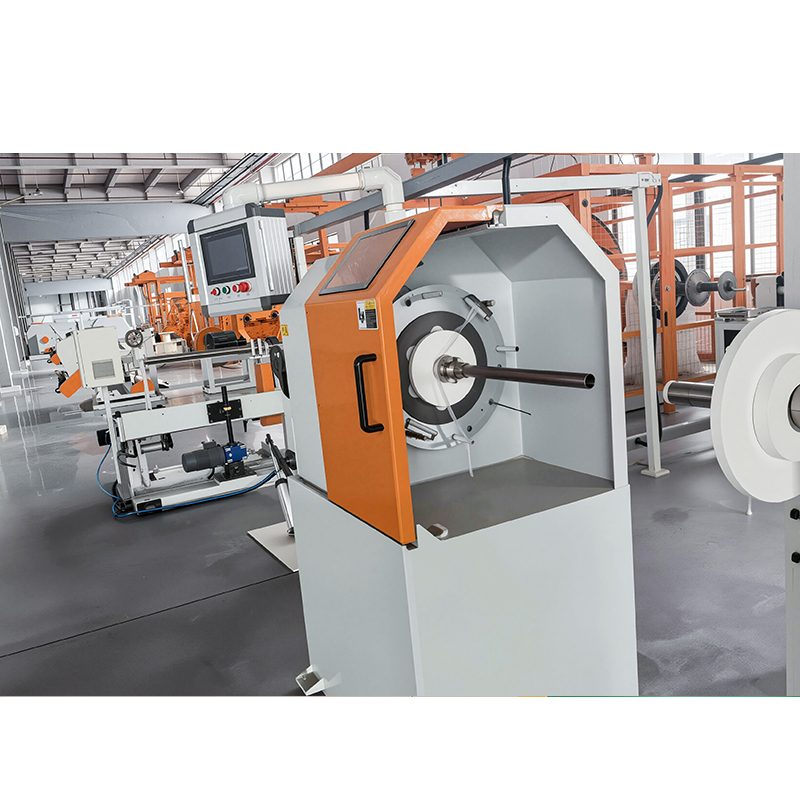
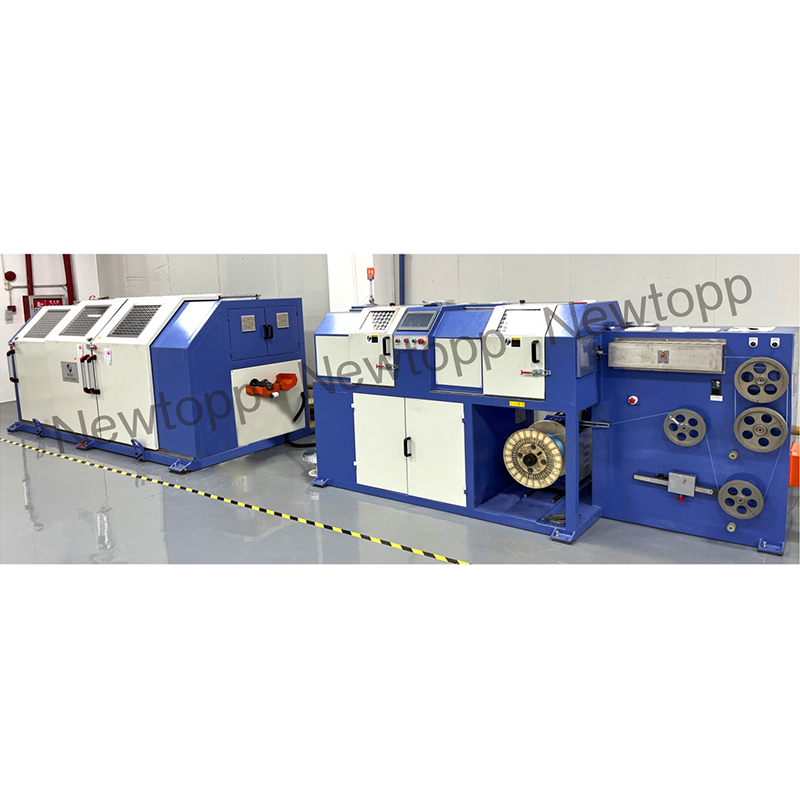
The main stranding machine types used in wire and cable manufacturing are tubular stranding machines, planetary stranding machines, rigid stranding machines, bunching machines, and skip stranding machines — each designed for a specific conductor structure, wire gauge range, and production speed requirement. Choosing the wrong type results in poor lay consistency, excessive scrap, and costly downtime. This guide explains what each stranding machine type does, where it excels, and how to select the right configuration for your production line.
Content
- 1 What Is a Stranding Machine and Why Does Type Selection Matter?
- 2 What Are the Main Stranding Machine Types? A Complete Overview
- 3 How Do the Five Stranding Machine Types Compare? A Side-by-Side Analysis
- 4 How to Choose the Right Stranding Machine Type for Your Production Line
- 5 Which Stranding Machine Type Matches Which Cable Product?
- 6 What Technical Parameters Define Stranding Machine Performance?
- 7 Frequently Asked Questions About Stranding Machine Types
- 8 Key Takeaways: Matching Stranding Machine Type to Your Manufacturing Requirements
What Is a Stranding Machine and Why Does Type Selection Matter?
A stranding machine is a piece of cable manufacturing equipment that twists multiple individual wires together into a single conductor or cable core, and the machine type determines the achievable lay length, pitch precision, production speed, and structural quality of the final product.
Stranding — the process of helically winding multiple wires around a central core — is fundamental to producing flexible, conductive, and mechanically robust cables. A poorly stranded conductor increases electrical resistance, reduces flexibility, and compromises tensile strength. According to the International Electrotechnical Commission (IEC) standard IEC 60228, conductor construction — including stranding class — directly determines the conductor's flexibility rating, which must match the end application. Class 1 through Class 6 conductors each require different stranding configurations, and those configurations correspond directly to specific stranding machine types.
The global wire and cable manufacturing equipment market was valued at approximately USD 4.8 billion in 2023 and is projected to grow at a CAGR of 5.2% through 2030, according to Grand View Research (2024). Stranding machines represent one of the largest capital investments in any cable plant, making informed type selection critical from both technical and financial perspectives.
What Are the Main Stranding Machine Types? A Complete Overview
There are five principal stranding machine types in industrial use: tubular (drum twister), planetary, rigid (cradle), bunching, and skip stranding machines — each operating on a fundamentally different mechanical principle that determines its suitability for a given wire type and conductor class.
1. Tubular Stranding Machine (Drum Twister)
The tubular stranding machine is the most widely used stranding machine type in the cable industry, well-suited for medium to large conductor cross-sections (10 mm² to 1,000 mm² and beyond) where precise lay length and high tensile wire count are required.
In a tubular stranding machine, wire payoff bobbins are housed inside a rotating tube (or series of nested tubes). As the tube rotates, the wires are fed forward and twisted around a central core. The central core itself does not rotate — only the tube assembly does. This design allows large, heavy bobbins to be used without the mechanical stress that comes from spinning the entire reel.
Key characteristics of tubular stranding machines include:
- Wire count capacity: Typically 7 to 91 wires in a single pass, depending on tube configuration
- Speed: Tube rotation speeds of 60 to 300 RPM, yielding linear production speeds of 20 to 120 m/min for typical conductor cross-sections
- Lay length control: Precise and consistent; adjustable via gearbox or servo-driven lay plate
- Conductor classes: IEC 60228 Class 1 (solid) to Class 2 (stranded) — primarily for power cables, overhead lines, and ground cables
- Wire diameter range: Typically 0.5 mm to 5.0 mm per individual wire
Tubular stranding machines are the standard choice for copper and aluminum power cable conductors, ACSR (aluminum conductor steel reinforced) cables, and submarine cable stranding. Their ability to handle very large reel sizes (up to 2,500 kg per bobbin on large machines) minimizes reel change downtime and maximizes output per shift.
2. Planetary Stranding Machine
The planetary stranding machine is the preferred stranding machine type when stranding high-flexibility conductors, armored cables, or multi-layer configurations where each wire layer must maintain a consistent lay direction independently.
In a planetary (or cage) stranding machine, the wire payoff bobbins are mounted on a rotating cage (the "planet"), while a counter-rotation mechanism keeps the bobbins oriented in the same plane relative to the incoming wire. This counter-rotation is the defining feature of the planetary type: it prevents the individual wires from twisting around their own axis as they are laid, preserving round cross-section and allowing tighter, more uniform packing.
Key characteristics of planetary stranding machines include:
- Multi-layer capability: Can strand 2 to 6 layers in sequence with independent lay direction control per layer
- Conductor classes: IEC 60228 Class 2 and Class 5 — power cables, flexible cables, mining cables
- Wire types supported: Copper, aluminum, steel armor wires, optical fibers (with adaptation)
- Speed: Cage rotation typically 20 to 120 RPM; production speed 5 to 60 m/min depending on conductor size
- Footprint: Larger than tubular machines for equivalent output due to the cage structure
Planetary stranding machines are the standard for manufacturing armored power cables (SWA — steel wire armored), submarine power cables with steel or copper armor layers, and mining cables where mechanical robustness and tight lay precision are mandatory. They are also used extensively in the production of steel wire rope and OPGW (optical ground wire) cables.
3. Rigid (Cradle) Stranding Machine
The rigid stranding machine — also called a cradle stranding machine — is specifically designed for stranding large, rigid conductors such as ACSR (aluminum conductor steel reinforced) and large-cross-section overhead transmission cables where bobbin weight would make tubular designs impractical.
In a rigid stranding machine, the payoff reels are mounted in fixed cradles arranged in a circular pattern around the central conductor. The entire cradle assembly rotates around the production axis, laying the wires helically onto the core. The bobbins themselves remain stationary relative to the cradle — they do not counter-rotate as in a planetary machine — which means wire torsion must be managed by careful design of the wire path.
Key characteristics of rigid stranding machines include:
- Bobbin capacity: Handles very large reels — up to 5,000 kg per bobbin in heavy-duty configurations
- Wire gauge range: 1.5 mm to 6.0 mm individual wire diameter; conductor cross-sections up to 2,000 mm²
- Speed: Slower than tubular machines; cradle rotation typically 10 to 60 RPM
- Primary applications: ACSR, AAC (all aluminum conductor), AAAC overhead transmission lines, submarine umbilicals
- Lay length range: Wide range, typically 50 mm to 3,000 mm
4. Bunching Machine (Bow Strander)
The bunching machine (also called a bow strander or twist buncher) is the correct stranding machine type for producing fine, flexible conductors — typically below 16 mm² cross-section — where high speed and fine wire handling are the primary requirements.
In a bunching machine, multiple fine wires are drawn from stationary payoff spools and passed through a rotating bow (a curved arm or flyer) that twists them together into a bunch. The twist is applied by the bow rotation, and unlike tubular or planetary machines, there is no precise control over individual wire lay length — the resulting conductor has a random lay structure, which classifies it as a bunched (rather than stranded) conductor.
Key characteristics of bunching machines include:
- Wire diameter range: 0.05 mm to 1.0 mm per individual wire — designed specifically for fine wire
- Speed: Bow rotation of 500 to 3,000 RPM; take-up speeds of 100 to 1,000 m/min, making them the fastest stranding machine type by linear output
- Conductor class: IEC 60228 Class 5 and Class 6 (highly flexible)
- Applications: Hook-up wire, flexible cords, speaker cable, automotive low-voltage wiring, data cable conductors
- Limitation: No precise lay length control; random lay means higher electrical resistance variability compared to true stranding machines
5. Skip Stranding Machine
The skip stranding machine is a specialized stranding machine type that produces Milliken conductors and large segmental conductors for EHV (extra high voltage) cables, where a round cross-section must be achieved from multiple pre-formed wire segments rather than individually laid wires.
Skip stranding — also called sector stranding or Milliken stranding — involves pre-forming individual wire segments into curved or sector shapes, then assembling them helically around a central axis with alternating lay directions to produce a large, essentially round composite conductor. This technique eliminates the skin effect issues that limit the current-carrying capacity of large single-layer conductors.
Key characteristics of skip stranding machines include:
- Conductor cross-sections: Typically 500 mm² to 2,500 mm² — the largest conductor cross-sections in power cable manufacturing
- Segment count: Typically 5 or 6 Milliken segments per conductor
- Applications: EHV underground cables (220 kV to 500 kV), HVDC submarine cable conductors
- Speed: Very slow by comparison — 1 to 10 m/min — reflecting the complexity of the process
- Cost: Highest capital cost of all stranding machine types; typically custom-built for specific projects
How Do the Five Stranding Machine Types Compare? A Side-by-Side Analysis
When comparing stranding machine types, the tubular machine offers the best balance of speed, versatility, and conductor quality for the majority of power cable applications, while the bunching machine leads in output speed for fine wire conductors.
| Machine Type | Primary Application | Wire Gauge | IEC Conductor Class | Production Speed | Lay Precision | Capital Cost (Relative) |
| Tubular | Power cables, overhead conductors | 0.5 – 5.0 mm | Class 1 – 2 | 20 – 120 m/min | High | Medium |
| Planetary | Armored cables, mining cables, OPGW | 0.8 – 4.5 mm | Class 2 – 5 | 5 – 60 m/min | Very High | High |
| Rigid / Cradle | ACSR, AAC, large overhead lines | 1.5 – 6.0 mm | Class 1 – 2 | 5 – 40 m/min | High | High |
| Bunching / Bow | Fine flexible conductors, hook-up wire | 0.05 – 1.0 mm | Class 5 – 6 | 100 – 1,000 m/min | Low (random lay) | Low |
| Skip / Milliken | EHV underground and submarine cables | 1.0 – 4.0 mm (segmental) | Class 2 (segmental) | 1 – 10 m/min | Very High | Very High |
Table 1: Side-by-side comparison of the five main stranding machine types across application, wire gauge, conductor class, speed, lay precision, and relative capital cost. Data based on industry-standard equipment specifications; actual figures vary by manufacturer and configuration.
How to Choose the Right Stranding Machine Type for Your Production Line
Selecting the correct stranding machine type requires evaluating five key parameters: the required IEC conductor class, the wire diameter range, the target cross-section range, the required production speed, and the available floor space and capital budget.
Work through the following decision framework in order:
Step 1: Identify Your Target IEC Conductor Class
The IEC 60228 conductor class is the single most important selection criterion because it directly determines which stranding machine types are technically capable of producing the required conductor structure.
- Class 1 (solid): No stranding machine required — single solid wire drawing
- Class 2 (stranded, low flexibility): Tubular, rigid/cradle, or planetary machine
- Class 5 (flexible): Planetary or bunching machine with fine wire
- Class 6 (highly flexible): High-speed bunching machine
- Segmental / Milliken: Skip stranding machine only
Step 2: Determine Your Wire Diameter and Conductor Cross-Section Range
The diameter of individual wires being stranded determines which machine mechanisms are physically capable of handling the material without excessive tension, breakage, or bobbin weight issues.
Fine wire (below 0.5 mm) requires a bunching machine with precision wire tension control. Medium wire (0.5 mm to 3.0 mm) is best handled by tubular or planetary machines. Heavy wire (above 3.0 mm) — particularly for overhead transmission conductors — requires rigid/cradle machines capable of supporting large, heavy bobbins without vibration.
Step 3: Assess Required Production Speed and Volume
High-volume, fine-wire production operations should prioritize bunching machines for their speed advantage; high-volume, medium-section power cable operations should prioritize tubular machines for their combination of speed and lay precision.
For context: a standard 19-wire tubular stranding machine producing a 50 mm² copper conductor can output approximately 4 to 6 tonnes per shift at 60 m/min. An equivalent planetary machine for the same cross-section will output 1.5 to 3 tonnes per shift at 25 m/min, but will produce a more flexible and precisely stranded conductor. The choice between them is a direct production-volume versus quality trade-off.
Step 4: Consider Armoring and Multi-Layer Requirements
If your product range includes armored cables — SWA, STA (steel tape armored), or wire-braid-armored cables — a planetary stranding machine is essential, as only the planetary type can apply armor layers with the correct tension and alternating lay direction without introducing torsion stress into the underlying cable core.
Which Stranding Machine Type Matches Which Cable Product?
Matching cable product type to stranding machine type is the most direct way to ensure your equipment investment produces the correct conductor structure from day one.
| Cable Product | Voltage Level | Conductor Cross-Section | Recommended Machine Type | IEC Class Target |
| Low-voltage power cable (Cu / Al) | Up to 1 kV | 1.5 – 300 mm² | Tubular | Class 2 |
| Medium / high voltage cable (XLPE) | 6 kV – 66 kV | 50 – 630 mm² | Tubular or Planetary | Class 2 |
| Steel wire armored (SWA) cable | Up to 33 kV | Any | Planetary | Class 2 (armoring layer) |
| ACSR / AAC overhead line | 11 kV – 500 kV | 25 – 1,200 mm² | Rigid / Cradle | Class 2 |
| Flexible cord / hook-up wire | Up to 450/750 V | 0.5 – 16 mm² | Bunching / Bow Strander | Class 5 – 6 |
| EHV XLPE underground cable | 110 kV – 500 kV | 500 – 2,500 mm² | Skip / Milliken | Class 2 (segmental) |
| Automotive low-voltage wiring | 12 – 48 V DC | 0.35 – 6 mm² | Bunching | Class 5 – 6 |
| Mining / offshore cable | Up to 35 kV | 16 – 500 mm² | Planetary | Class 5 |
Table 2: Recommended stranding machine type matched to cable product category, voltage level, conductor cross-section range, and IEC 60228 conductor class target.
What Technical Parameters Define Stranding Machine Performance?
The five most critical technical parameters for evaluating any stranding machine type are: the number of wires (bobbin count), the rotation speed (RPM), the lay length range and precision, the line speed (m/min), and the take-up capacity.
- Bobbin count (wire count): Determines the maximum number of wires that can be incorporated in a single pass. Standard tubular stranding machines are built in configurations of 7, 12, 19, 24, 37, 48, 61, or 91 bobbins. Higher bobbin counts produce more complex, tightly packed conductors but require larger machine frames and more complex wire management systems.
- Rotation speed (RPM): The speed of the rotating element (tube, cage, bow, or cradle) directly drives the twist rate and, combined with haul-off speed, determines the lay length. Higher RPM enables shorter lay lengths and faster production — but also increases the risk of wire breakage on fine wires. Modern servo-driven machines can vary RPM dynamically to maintain constant lay length as take-up reel diameter changes.
- Lay length range: Expressed in millimetres, this is the axial distance for one complete helical revolution of the outer wire layer. IEC 60228 specifies maximum lay length limits for each conductor class. Narrow lay length range machines are less versatile but achieve higher precision. Servo-controlled lay plate systems on modern tubular and planetary machines allow continuous adjustment across a range of 20 to 1,000 mm in a single machine.
- Line speed (m/min): The linear speed of the finished conductor exiting the stranding machine. This drives the tonnes-per-shift output and must be matched to downstream processes (extrusion lines, taping heads, armouring machines) to avoid bottlenecks.
- Take-up capacity: The maximum reel size (diameter and weight) the machine can wind finished conductor onto. Larger take-up capacity reduces reel change frequency and improves line efficiency. For automated lines, large-flange reels with quick-change systems are standard.
Frequently Asked Questions About Stranding Machine Types
Q: What is the difference between a tubular stranding machine and a planetary stranding machine?
The fundamental difference lies in how the payoff bobbins are handled. In a tubular machine, bobbins are enclosed inside a rotating tube and rotate with it — the bobbins spin on their own axes as the tube rotates. In a planetary machine, the bobbins are mounted on a rotating cage but are held by a counter-rotation mechanism so they do not twist on their own axes. This means planetary machines can strand without introducing torsion into the wire, making them superior for flexible conductors and armoring applications. Tubular machines are faster and better suited for large, stiff conductors.
Q: Can one stranding machine type produce multiple IEC conductor classes?
Yes, with limitations. A planetary stranding machine can produce both Class 2 and Class 5 conductors by adjusting lay length settings and wire diameter. A tubular machine can produce Class 2 conductors across a wide cross-section range. However, no single stranding machine type spans the full range from Class 2 to Class 6 — bunching machines are required for Class 6 fine flexible conductors, and Milliken/skip machines are required for segmental Class 2 conductors above 500 mm². Cable plants producing a wide product range typically operate multiple machine types.
Q: What is a SZ stranding machine and how does it differ from conventional stranding machines?
An SZ stranding machine alternates the lay direction of successive groups of wires — first in the S (left-hand) direction, then in the Z (right-hand) direction — along the length of the cable. This alternating lay prevents cumulative torsion buildup and makes cables easier to strip and terminate. SZ stranding machines are primarily used in telecommunications cables, fiber optic cables, and some signal cables. They differ from conventional (unidirectional) stranding machines in that they require oscillating haul-off and lay mechanisms rather than continuously rotating ones. SZ stranding is a process variant rather than a separate machine category — the mechanism can be incorporated into tubular or planetary machine frames.
Q: How does wire tension control differ between stranding machine types?
Tension control is critical in all stranding machine types but is managed differently. Tubular machines use magnetic powder brakes or servo-driven tension controllers on each bobbin spindle; because bobbins rotate with the tube, centrifugal effects must be compensated electronically at high speeds. Planetary machines achieve inherently more consistent tension because the counter-rotation mechanism reduces the centrifugal force differential between the inner and outer bobbin positions. Bunching machines use simple dancer-arm tension systems on the stationary payoff spools, which is one reason they can run at very high speeds without complex tension electronics. Skip stranding machines require the most precise tension control of all types because segment geometry must be perfectly consistent along the entire conductor length.
Q: What is the typical lifespan and maintenance schedule for an industrial stranding machine?
Industrial stranding machines are designed for service lives of 20 to 35 years with proper maintenance. Tubular and planetary machines require daily lubrication checks on rotating bearings and tube/cage drives, weekly inspection of wire guides and forming dies, monthly checks of gearbox oil levels, and annual overhaul of main drive motors and tension control systems. Bunching machines, running at much higher speeds, require more frequent bearing replacement — typically every 12 to 18 months on the bow arm. The highest maintenance burden on any stranding machine is typically the haul-off capstan assembly and the wire management system (guides, pulleys, and tension arms), which experience the most contact wear. Predictive maintenance using vibration monitoring on main bearings is increasingly standard on modern CNC-controlled machines.
Q: Are stranding machines suitable for stranding optical fibers as well as metal wires?
Yes, but with significant modifications. Optical fibers require dramatically lower tension (typically 0.5 N to 5 N per fiber, versus 50 N to 500 N for metal wires), longer lay lengths, and very precise curvature control to avoid microbending losses. Stranding machines adapted for fiber optics — specifically for loose-tube or tight-buffer cable manufacturing — are typically planetary or SZ types with ultra-low-tension payoff systems, temperature-controlled operating environments, and optical time-domain reflectometer (OTDR) monitoring integrated into the line. Fiber optic stranding machines represent a specialized sub-category with substantially different mechanical parameters from standard wire cable stranding machines.
Key Takeaways: Matching Stranding Machine Type to Your Manufacturing Requirements
Understanding stranding machine types is not an academic exercise — it is a direct determinant of product quality, production efficiency, and capital return in any wire and cable manufacturing operation. The five primary stranding machine types each occupy a distinct technical niche:
- Tubular stranding machines are the workhorses of the industry — versatile, fast, and well-suited for the majority of power cable conductor cross-sections.
- Planetary stranding machines deliver the highest lay precision and are essential for armored cables, flexible mining cables, and multi-layer conductor structures.
- Rigid/cradle stranding machines handle the heaviest wire gauges and largest bobbins for overhead transmission conductor manufacturing.
- Bunching machines maximize throughput on fine, flexible conductors and are the correct choice for automotive, appliance, and low-voltage flexible cord production.
- Skip/Milliken stranding machines serve the narrow but technically demanding segment of EHV and HVDC cable manufacturing, where no other machine type can produce the required conductor geometry.
According to the Wire Association International (WAI), mismatched equipment selection is among the top five causes of quality non-conformance in cable manufacturing startups. Investing in the correct stranding machine type from the outset — matched precisely to your conductor class, wire gauge, and production volume requirements — is the highest-return decision in any cable plant setup or expansion project.