

 English
 русский
 Español


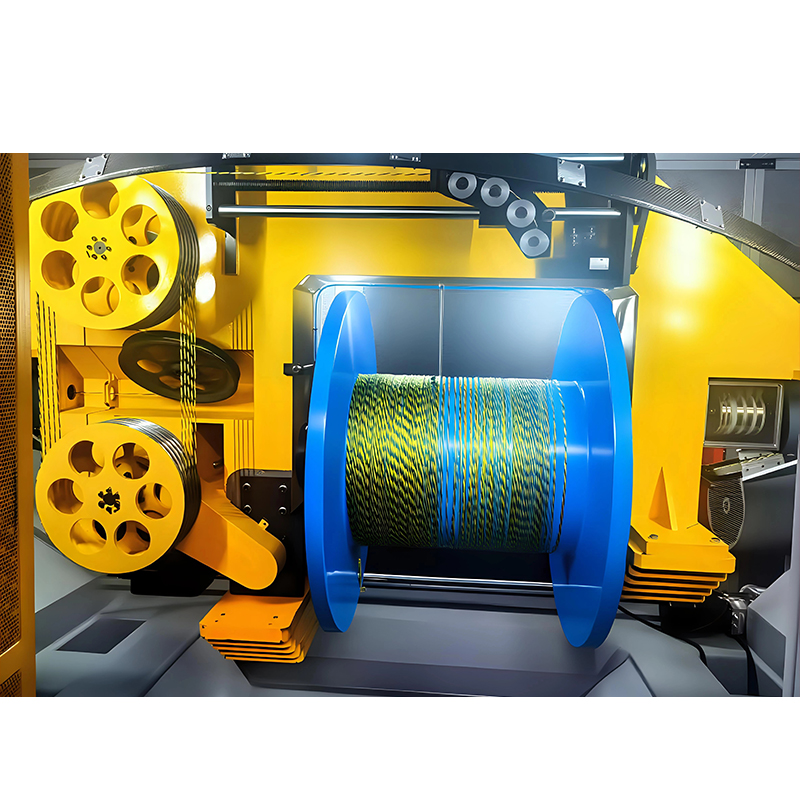
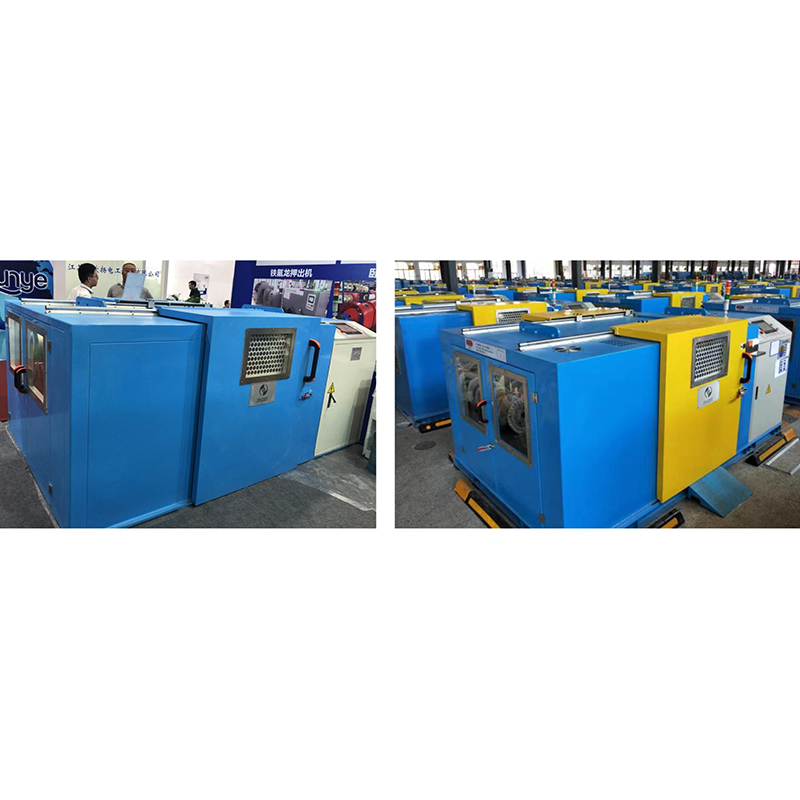
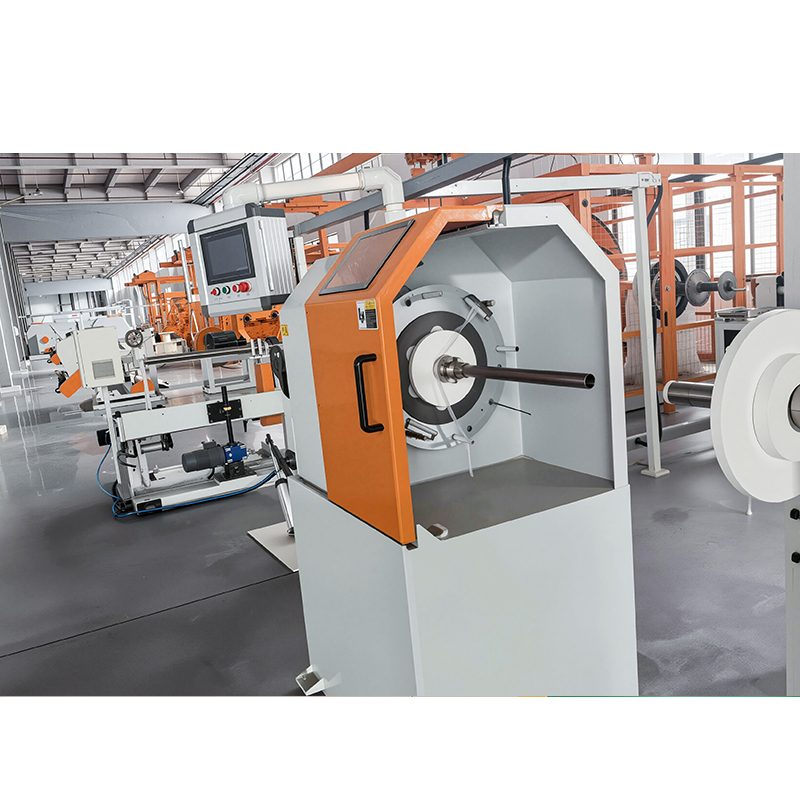
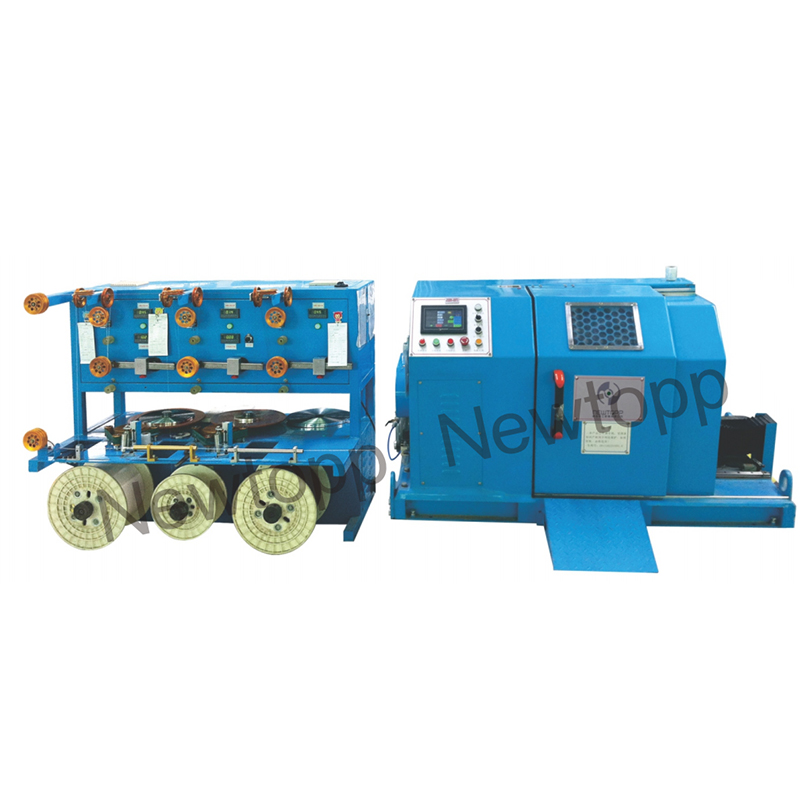
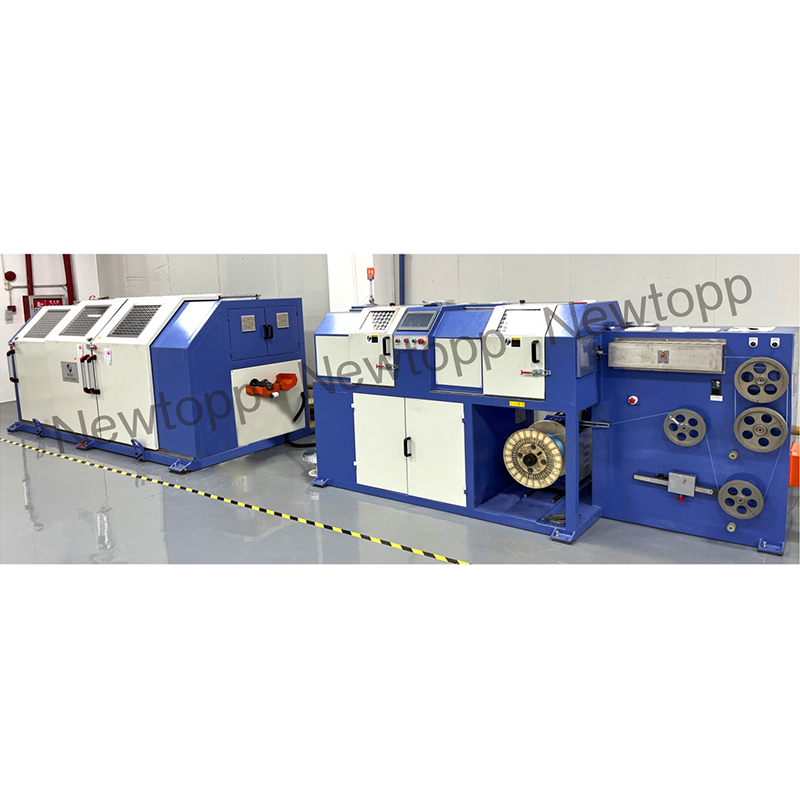
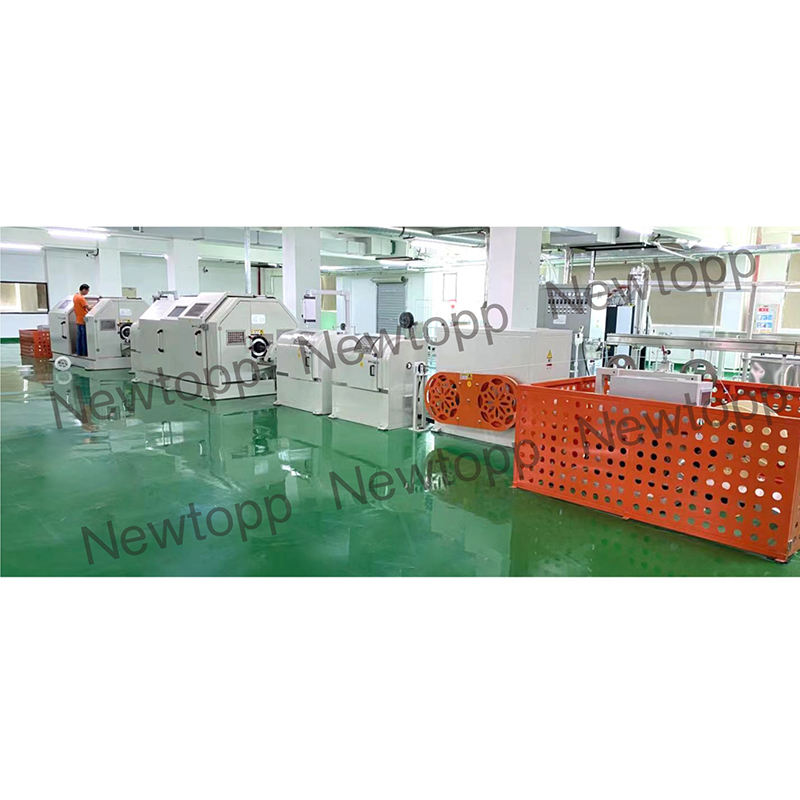
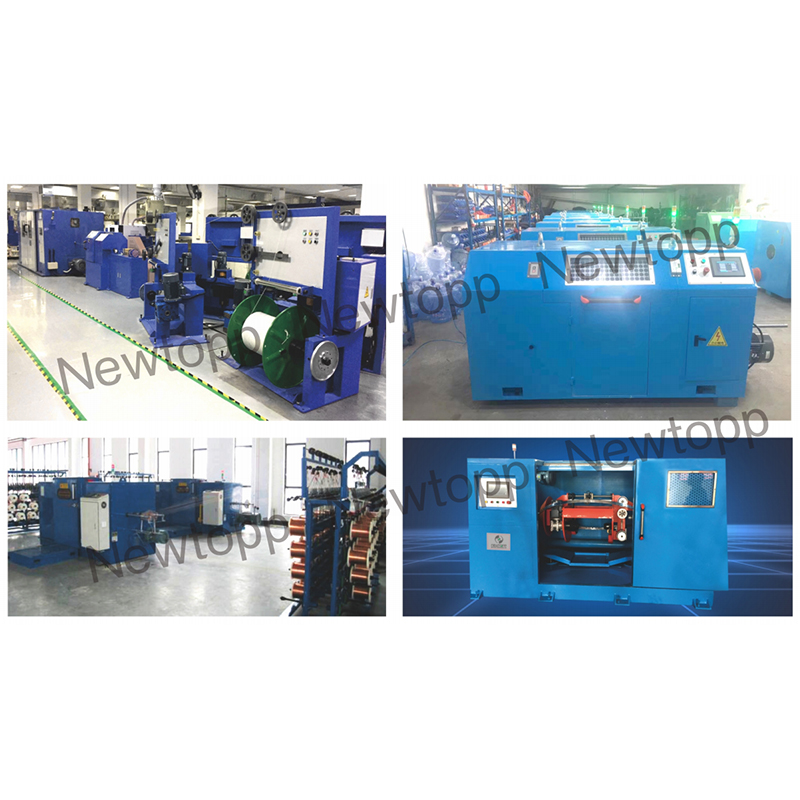
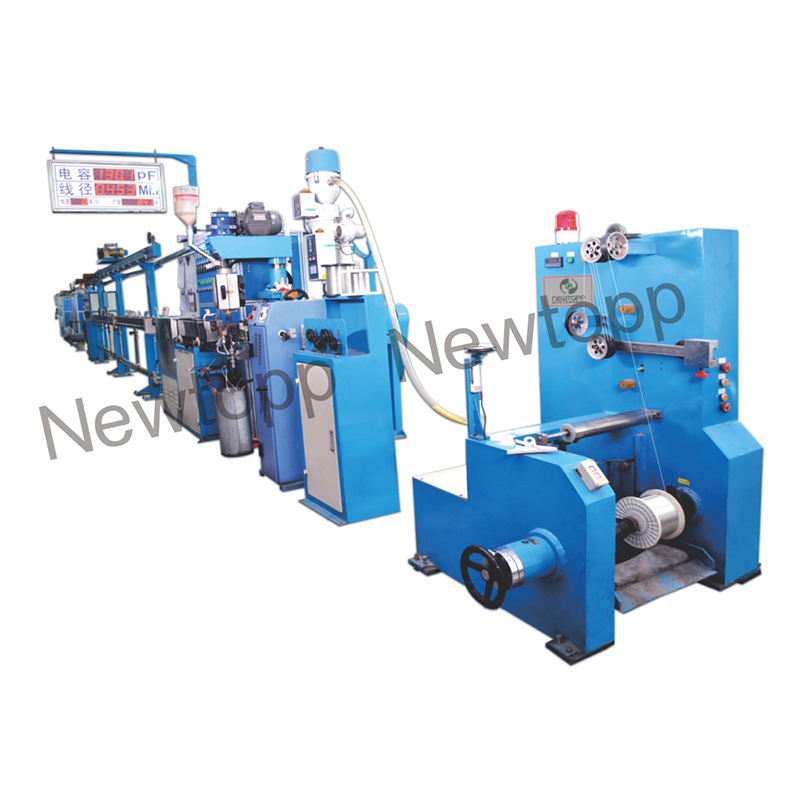
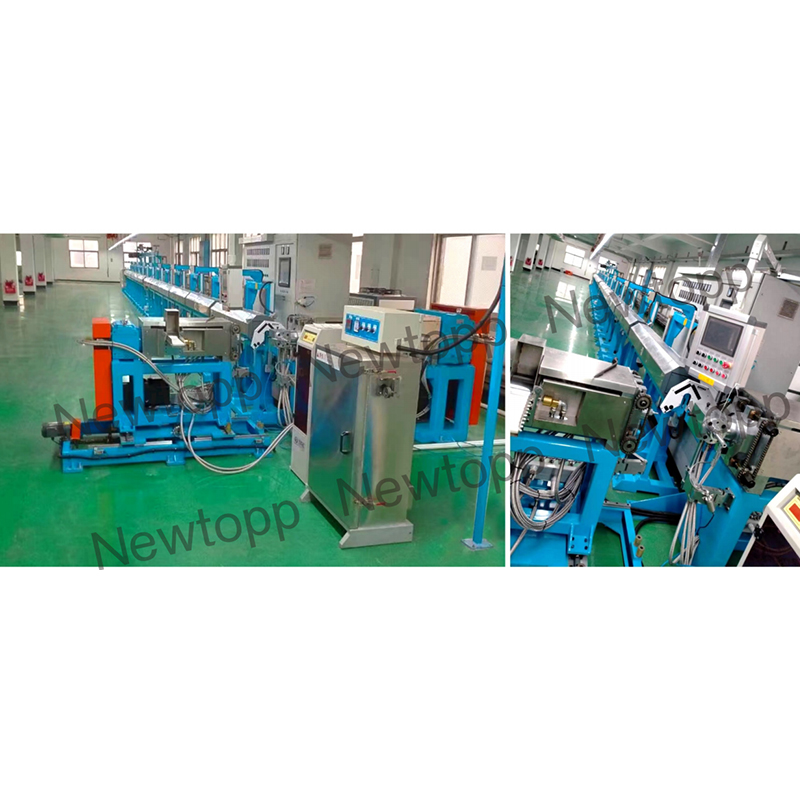
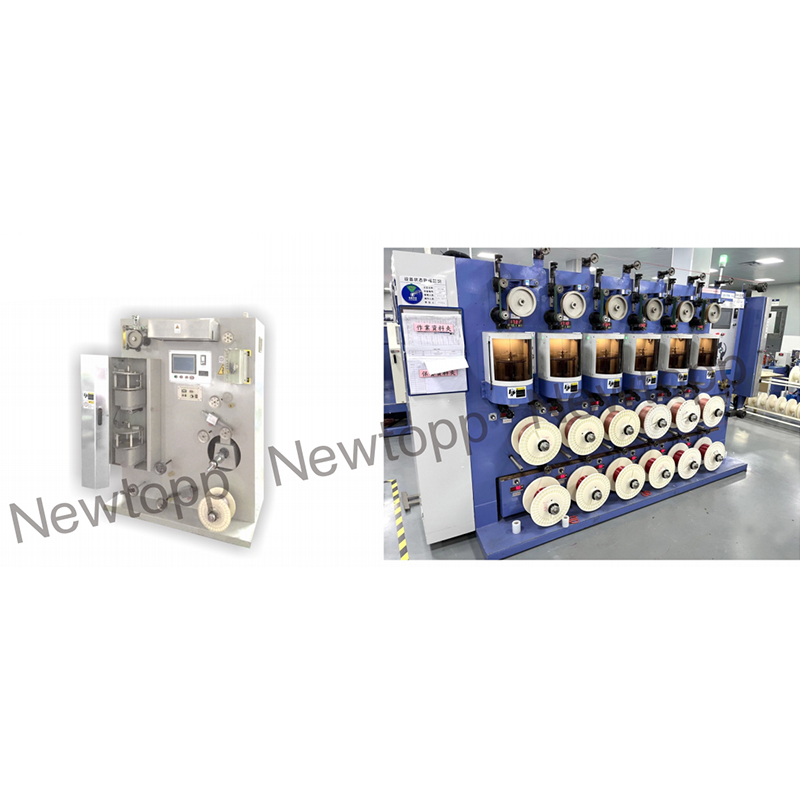
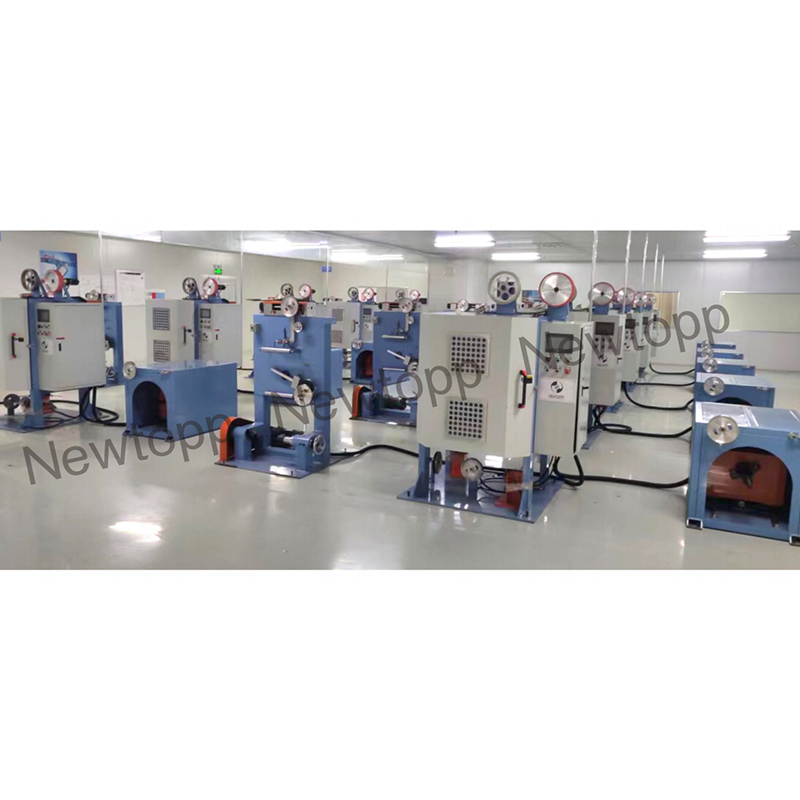
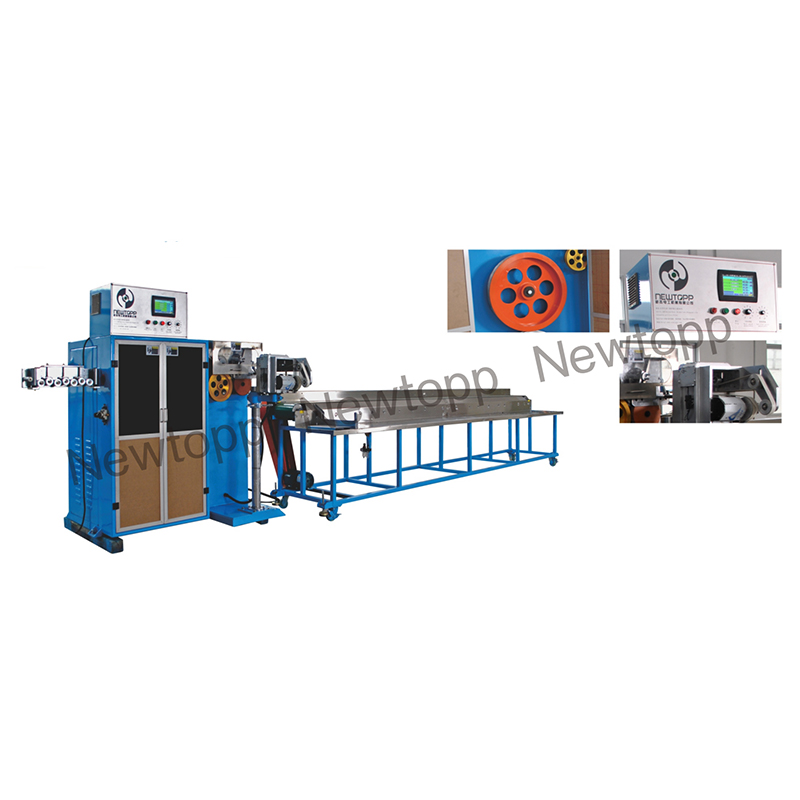
A multi stranding machine works by feeding multiple individual wire strands from rotating bobbins through a central twisting head, which winds the strands together around a common axis to form a single flexible, stranded conductor — a process essential for producing cable that can flex repeatedly without the metal fatigue and breakage that would occur in a solid, single-wire conductor. This equipment sits at the core of modern wire and cable manufacturing, enabling everything from automotive wiring harnesses to industrial control cables to be produced with the flexibility and conductivity required for their specific application. This guide explains how multi stranding machines function, the different configurations used in the industry, and the key factors that determine strand quality and production output.
Content
- 1 Why Stranded Wire Exists in the First Place
- 2 The Core Components of a Multi Stranding Machine
- 3 Which Types of Multi Stranding Machines Are Used in Industry?
- 4 What Is Lay Length, and Why Does It Matter So Much?
- 5 How Strand Count and Configuration Affect Cable Performance
- 6 Common Quality Issues in Multi Stranded Wire Production
- 7 Why Multi Stranding Machines Matter for Modern Industries
- 8 Frequently Asked Questions About Multi Stranding Machines
- 8.1 What is the difference between bunching and stranding?
- 8.2 How many strands does a typical flexible cable contain?
- 8.3 Can a multi stranding machine combine different wire materials in one cable?
- 8.4 Why does lay direction (left-hand vs. right-hand twist) matter?
- 8.5 How fast can a multi stranding machine produce finished cable?
- 8.6 Does stranded wire conduct electricity differently than solid wire?
- 9 Conclusion
Why Stranded Wire Exists in the First Place
Stranded wire exists because a single solid conductor of the same cross-sectional area would crack and fatigue quickly under repeated bending, while multiple thinner strands twisted together can flex repeatedly without breaking, since the bending stress is distributed across many smaller wires rather than concentrated in one larger one. This is the fundamental engineering reason multi stranding machines exist: solid wire works fine for fixed, non-moving installations, but anything that needs to flex — robotics cabling, vehicle harnesses, portable equipment cords — requires stranded construction to survive its operating life.
Research on metal fatigue published through materials engineering literature consistently shows that fatigue failure in conductors is closely tied to the bending radius relative to wire diameter — thinner individual strands can tolerate a tighter bend radius before reaching their fatigue limit than a thick solid conductor of equivalent total cross-sectional area, which is precisely why stranding multiple thin wires together, rather than using one thick wire, dramatically extends a cable's usable flex life.
The Core Components of a Multi Stranding Machine
A multi stranding machine consists of five main functional sections: the bobbin creel that holds individual wire spools, a tensioning system, the twisting/stranding head, a capstan or take-up mechanism, and a final spooling or coiling unit — each playing a distinct role in transforming loose individual wires into a finished stranded conductor.
Bobbin Creel and Wire Feed
The creel holds multiple bobbins, each loaded with a single strand of wire, and feeds them simultaneously toward the stranding head. The number of bobbin positions on the creel directly determines the maximum number of strands the machine can combine into a single finished conductor in one pass.
Tensioning System
Each individual strand passes through a tensioning device before reaching the twisting head, ensuring all strands feed in at matched, controlled tension. Uneven tension between strands is one of the most common causes of an inconsistent final cable diameter and uneven strand distribution around the conductor's cross-section.
Twisting or Stranding Head
The twisting head is the core mechanism that physically winds the individual strands together around a common central axis, rotating at a controlled speed relative to the linear feed rate to achieve a specific, repeatable lay length (the distance along the cable for one complete twist rotation).
Capstan and Take-Up System
The capstan pulls the newly stranded conductor through the machine at a controlled, consistent speed, working in coordination with the twisting head's rotational speed to set the final lay length precisely. The take-up system then winds the finished stranded wire onto a spool or coil for storage, further processing, or shipment.
Which Types of Multi Stranding Machines Are Used in Industry?
The main types of multi stranding machines — bunching machines, rigid stranders, and tubular/planetary stranders — differ primarily in how the bobbins rotate relative to the wire path, which directly affects production speed, strand consistency, and the maximum wire diameter each design can handle.
| Machine Type | Bobbin Rotation | Typical Wire Size Range | Production Speed |
| Bunching machine | Bobbins rotate around the take-up axis | Fine wire, small conductor sizes | High |
| Rigid strander | Entire bobbin frame rotates as one unit | Medium to large conductor sizes | Moderate |
| Tubular strander | Bobbins housed inside a rotating tube | Small to medium conductor sizes | High |
| Planetary strander | Bobbins rotate individually without twisting the supply wire itself | Medium to large conductor sizes | Moderate to high |
Caption: Comparison of common multi stranding machine types by bobbin rotation method, supported wire size range, and production speed.
Why Planetary Stranders Avoid Wire Twist Buildup
Planetary stranders are specifically designed so that individual bobbins rotate in a way that prevents the supply wire itself from accumulating internal twist as it unwinds, which is critical when stranding stiffer wire types or larger conductors that would otherwise develop unwanted residual torsion and springback in the finished cable. This design advantage makes planetary stranders a common choice for larger power cables and applications where straightness and consistent lay geometry are especially important.
What Is Lay Length, and Why Does It Matter So Much?
Lay length is the linear distance along a stranded conductor required for one complete 360-degree twist of the outer strand layer, and it is one of the single most important parameters controlled during the stranding process, since it directly affects the cable's flexibility, electrical performance, and resistance to mechanical stress.
A shorter lay length (tighter twist) generally produces a more flexible cable better suited to repeated bending or continuous flexing applications, but it also slightly increases the total conductor length needed per unit of finished cable length, since the strands travel a longer spiral path. A longer lay length (looser twist) reduces this material overhead and can improve certain electrical characteristics, but typically results in a less flexible finished cable that is better suited to fixed installation rather than repeated movement.
| Lay Length Type | Flexibility | Material Usage | Typical Application |
| Short lay (tight twist) | High | Slightly higher | Robotics cables, continuous-flex applications |
| Medium lay | Moderate | Standard | General-purpose automotive and control cables |
| Long lay (loose twist) | Lower | Slightly lower | Fixed installation power cables |
Caption: Comparison of lay length types in stranded wire production, showing the trade-off between flexibility, material usage, and application.
How Strand Count and Configuration Affect Cable Performance
Increasing the number of individual strands within a given total conductor cross-sectional area generally improves flexibility and flex-life further, but it also increases manufacturing complexity and cost, which is why strand count is typically standardized according to recognized wire gauge and conductor classification systems rather than chosen arbitrarily.
Standards published by organizations such as the American Society for Testing and Materials (ASTM) define specific stranding classes — often labeled Class B, Class C, Class G, Class I, and similar designations — that specify minimum strand counts for a given conductor size based on the intended flexibility requirement. A Class I or Class K conductor, for example, uses a substantially higher number of finer strands than a Class B conductor of the same overall cross-sectional area, specifically to deliver the extreme flexibility needed for continuously flexing applications like welding cables or robotics wiring.
Common Quality Issues in Multi Stranded Wire Production
Most stranding quality defects trace back to tension imbalance, worn tooling, or incorrect lay length settings, and recognizing the typical symptom of each defect helps operators trace problems back to their root mechanical cause quickly.
| Defect | Likely Cause | Typical Fix |
| Uneven outer diameter | Inconsistent tension across individual strands | Recalibrate and balance individual strand tensioners |
| Strand crossover or bunching | Worn or misaligned die/guide at the twisting head | Inspect and replace worn forming dies and guides |
| Inconsistent lay length | Capstan speed mismatched with twisting head rotation | Recalibrate capstan-to-twist speed ratio |
| Wire breakage during stranding | Excessive tension or pre-existing wire surface defects | Reduce tension setting; inspect incoming wire quality |
| Springback / cable curling | Residual torsional stress in supply wire (common in rigid stranders) | Switch to planetary or tubular strander design |
Caption: Common multi stranding defects, their typical root causes, and the standard corrective actions used to resolve each issue.
Why Multi Stranding Machines Matter for Modern Industries
Multi stranding machines underpin nearly every industry that relies on flexible electrical or mechanical cable, from automotive wiring harnesses and robotics to renewable energy installations and telecommunications infrastructure, since virtually none of these applications could use rigid solid-core wire reliably.
- Automotive wiring harnesses — Vehicles require thousands of meters of stranded wiring that must tolerate constant vibration and movement throughout the vehicle's operating life without conductor fatigue failure.
- Robotics and automation cabling — Cables connecting moving robotic joints undergo extreme, continuous flex cycles, making high-strand-count, short-lay-length construction essential to prevent premature failure.
- Renewable energy cabling — Wind turbine and solar installation cables often need to handle both significant current loads and challenging physical routing, requiring carefully engineered stranded conductor designs.
- Telecommunications and data cabling — Many data and communication cables rely on precisely controlled stranding to maintain consistent electrical characteristics like impedance along the cable's full length.
- Medical device cabling — Cables used in handheld or wearable medical equipment require exceptional flex durability and reliability, given the consequences of unexpected cable failure in clinical settings.
Frequently Asked Questions About Multi Stranding Machines
What is the difference between bunching and stranding?
Bunching typically refers to twisting together a group of fine wires without a strict, geometrically organized layer structure, often used for very fine conductor sizes, while stranding generally refers to a more controlled, layered twisting process with defined geometric arrangement, commonly used for medium to large conductor sizes where consistent electrical and mechanical properties are more critical. In practice, the terms are sometimes used somewhat interchangeably depending on regional and industry conventions.
How many strands does a typical flexible cable contain?
Strand count varies enormously depending on conductor size and required flexibility class, ranging from as few as 7 strands in a basic stranded conductor to several hundred fine strands in highly flexible cables designed for continuous-flex applications like robotics or welding cable. The specific count is generally dictated by the relevant conductor classification standard rather than an arbitrary manufacturing choice.
Can a multi stranding machine combine different wire materials in one cable?
Yes — some stranding configurations combine different materials, such as a tin-plated copper strand layer over a bare copper core, or composite constructions mixing copper and other conductive or reinforcing materials, depending on the cable's intended corrosion resistance, conductivity, or mechanical strength requirements. The bobbin creel simply needs to be loaded with the appropriate material on each designated strand position to achieve this.
Why does lay direction (left-hand vs. right-hand twist) matter?
Lay direction affects how multiple stranded layers interact mechanically when a cable includes more than one twisted layer, since alternating lay direction between layers (sometimes called contra-helical stranding) helps prevent the layers from loosening or telescoping relative to each other under tension or repeated flexing. Single-layer conductors are less affected by this consideration, but multi-layer cable designs often specify alternating lay direction deliberately for this reason.
How fast can a multi stranding machine produce finished cable?
Production speed varies significantly by machine type and conductor specification, with high-speed bunching and tubular stranders capable of processing fine wire at considerably faster linear speeds than larger rigid or planetary stranders working on heavier-gauge conductors, since larger, heavier bobbin assemblies inherently have more rotational inertia limiting maximum practical speed.
Does stranded wire conduct electricity differently than solid wire?
For most direct current and standard alternating current applications, stranded and solid wire of equivalent total cross-sectional area conduct comparably, though stranded wire has a marginally higher effective resistance due to the slightly longer total path length created by the spiral lay and minor air gaps between strands. In high-frequency applications, skin effect considerations can make strand configuration more electrically significant, which is part of why some high-frequency cable designs use carefully engineered stranding patterns specifically to manage this effect.
Conclusion
A multi stranding machine transforms simple, individually fragile wires into the flexible, durable conductors that modern industry depends on — from the wiring harness in a daily-driven vehicle to the continuously flexing cable inside an industrial robot arm. Understanding how bobbin configuration, lay length, strand count, and machine type interact gives engineers and manufacturers the foundation needed to specify the right stranding approach for any given application's flexibility, durability, and electrical performance requirements.
As demand grows across automotive, robotics, renewable energy, and telecommunications sectors for cables that can withstand increasingly demanding flex cycles and operating environments, the fundamental stranding process — twisting many thin wires into one flexible conductor — remains the proven foundation that modern cable manufacturing continues to build upon.