

 English
 русский
 Español

Industry News


What types of cable stranding machines are there?
2026-01-09
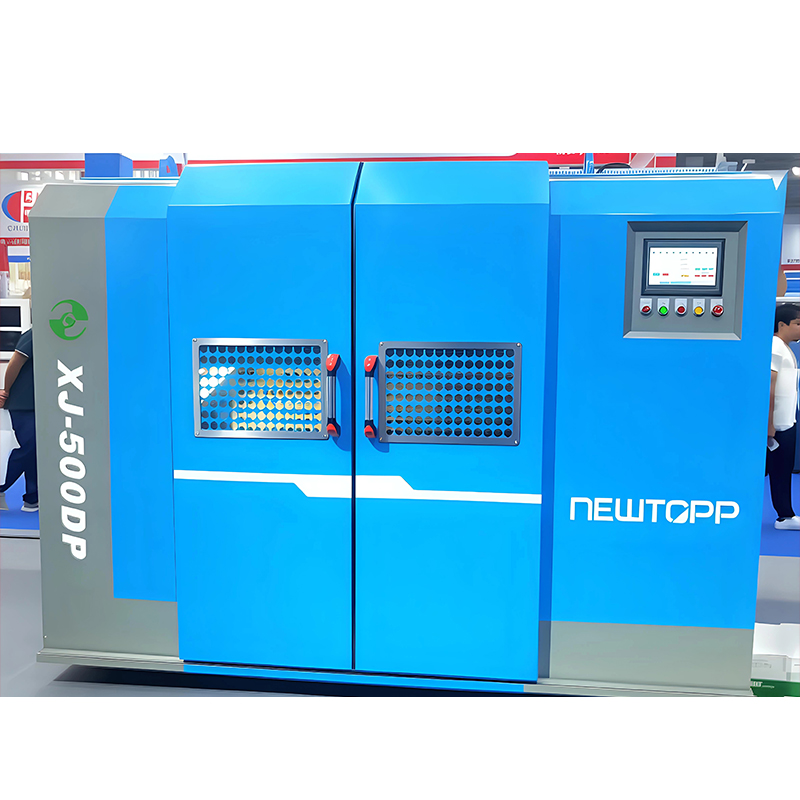
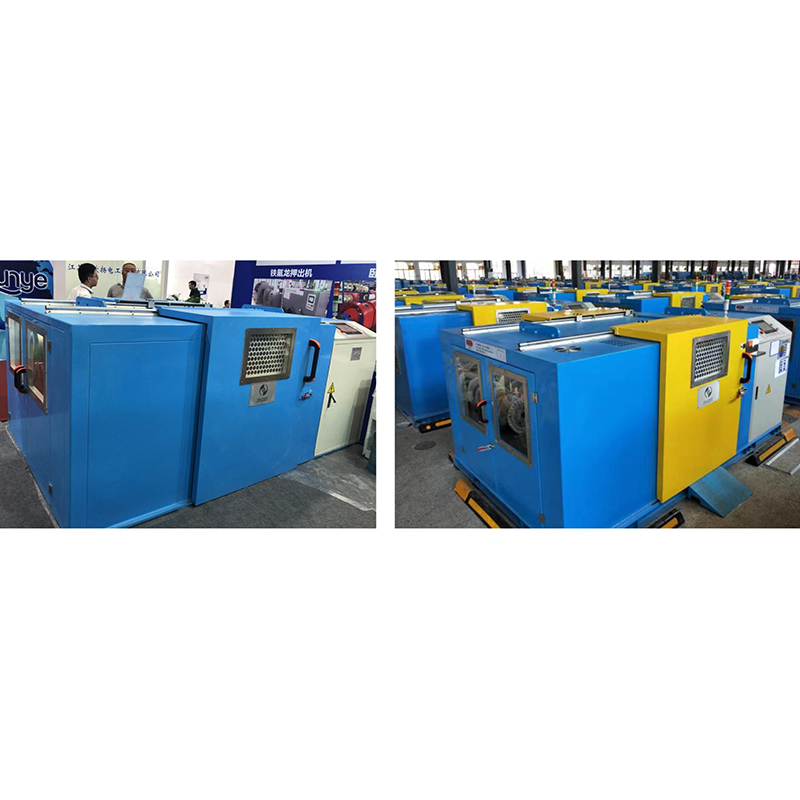
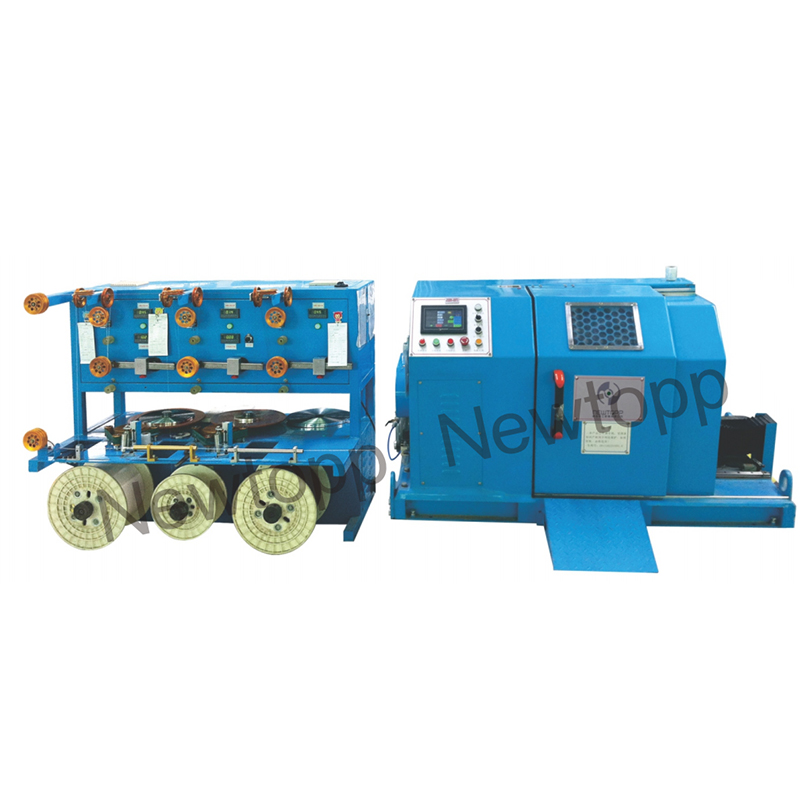
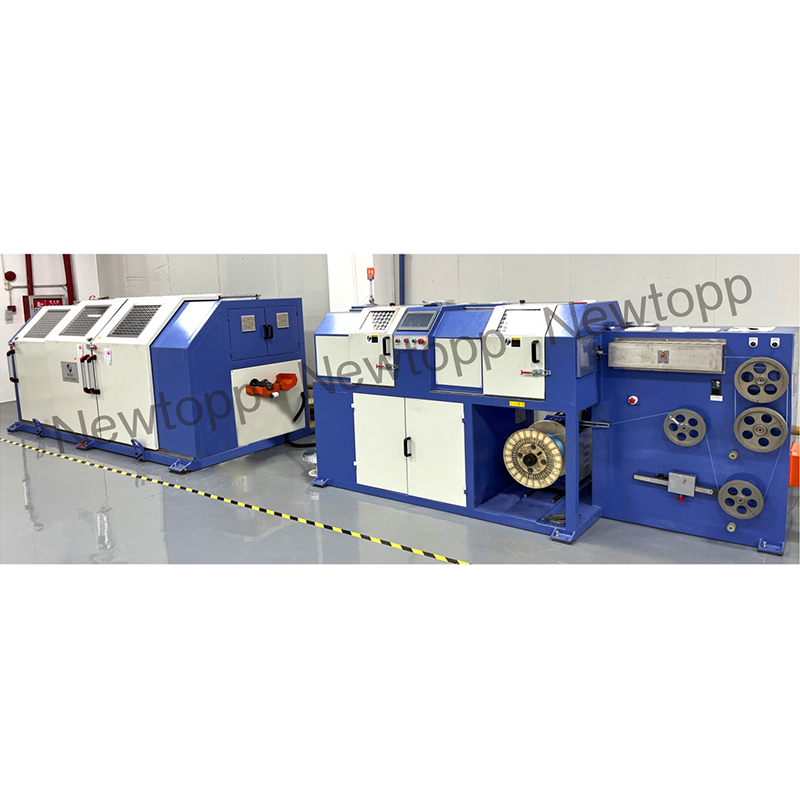
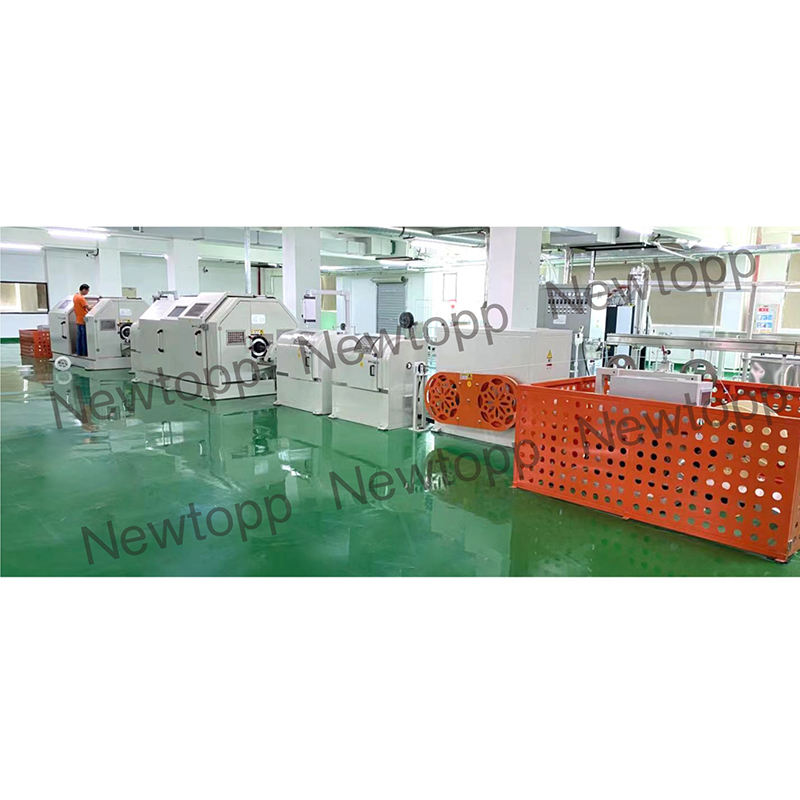
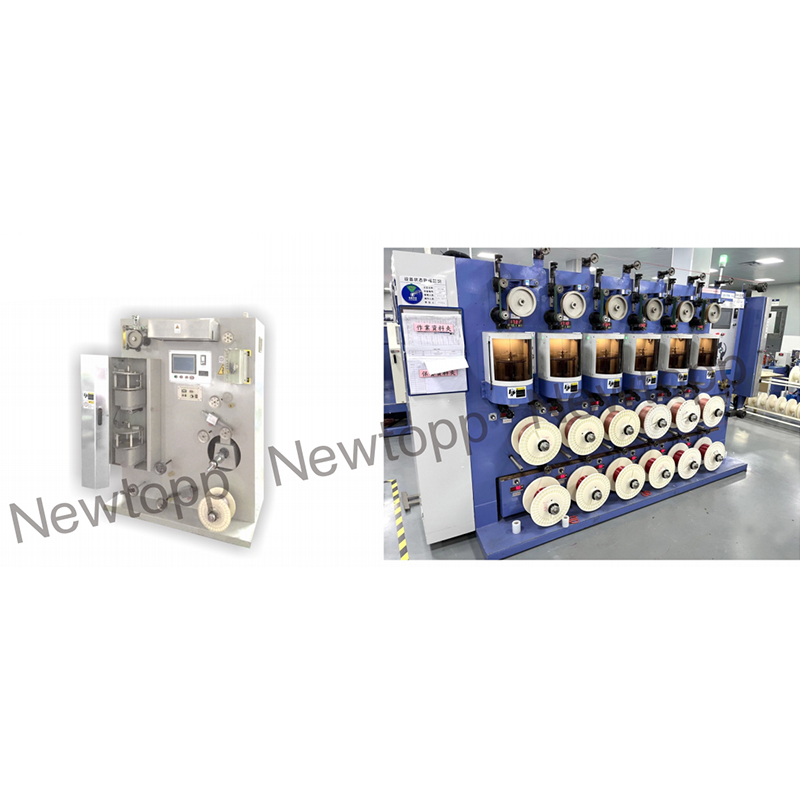
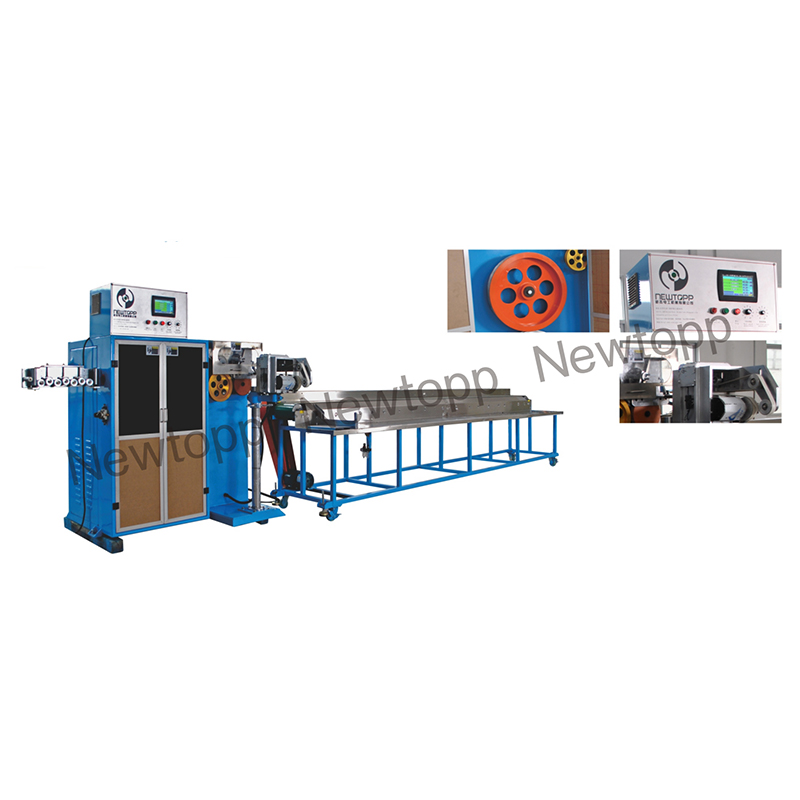
Cable Stranding Machines play a vital role in the manufacturing of electrical cables, telecommunications wires, and various industrial wires. These machines ensure that individual wires are twisted or stranded together to achieve optimal conductivity, flexibility, and mechanical strength. Understanding the different types of cable stranding machines is essential for manufacturers to choose the right equipment for their production needs.
Content
1. Overview of Cable Stranding Machines
Cable Stranding Machines are designed to twist multiple wires or conductors into a single, unified cable. This stranding process enhances the cable’s durability and performance while allowing for flexibility and easy installation. The choice of stranding machine depends on the cable’s application, the number of cores, conductor size, and production volume.
Key Benefits of Cable Stranding Machines
- Improved cable strength and durability
- Enhanced electrical conductivity
- Consistent and precise twisting
- Flexible production options for various wire sizes
- Reduced production time and operational cost
2. Types of Cable Stranding Machines
Cable stranding machines are categorized based on their design, operation method, and intended applications. The main types include:
2.1 Planetary Stranding Machines
Planetary stranding machines are ideal for high-precision and high-speed stranding of wires. They use a planetary mechanism where the bobbins rotate around a central axis while spinning on their own axis. This ensures uniform twisting and reduces conductor stress.
- Advantages: High precision, suitable for fine wires, low conductor tension.
- Applications: Telecommunications cables, power cables, and multi-core wires.
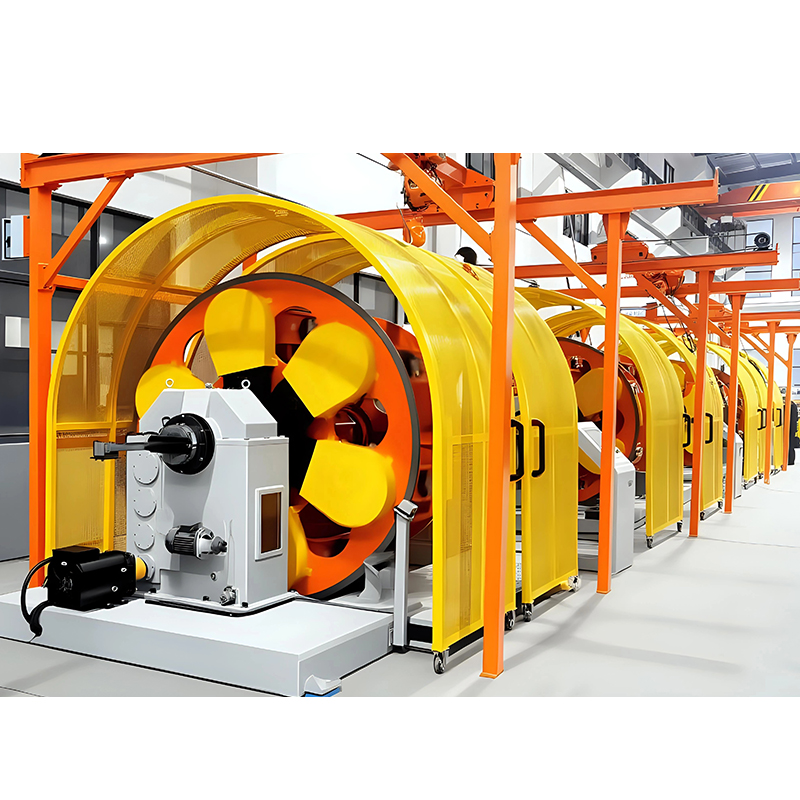
2.2 Tubular Stranding Machines
Tubular stranding machines use a large drum or tubular frame to rotate multiple bobbins. The wires are stranded around a central axis in a continuous motion. This type is suitable for medium to large diameter cables.
- Advantages: High efficiency, supports heavy-duty production, adaptable to various wire sizes.
- Applications: Electrical power cables, industrial cables, and overhead conductors.
2.3 Step Stranding Machines
Step stranding machines twist wires in stages or layers. Each stage adds a layer of stranding, which allows the production of complex multi-layer cables. Step stranding is useful for large cross-section cables and multi-core designs.
- Advantages: Produces multi-layered cables, adaptable to high cross-section designs.
- Applications: High-voltage cables, control cables, and armored cables.
2.4 Two-Stage Stranding Machines
Two-stage stranding machines combine both inner and outer stranding processes. The inner stage twists individual wires, and the outer stage bundles these twisted wires into the final cable. This method ensures high flexibility and uniformity.
- Advantages: High flexibility, ideal for large conductor counts, consistent tension.
- Applications: Multi-core power cables, submarine cables, and specialized industrial cables.
2.5 Continuous Stranding Machines
Continuous stranding machines are designed for uninterrupted production. They are suitable for long lengths of cable where stopping and restarting could reduce efficiency. Continuous stranding ensures uniform twist along the entire cable length.
- Advantages: High-speed production, minimal downtime, consistent cable quality.
- Applications: Long-distance power transmission cables, telecom backbone cables.
3. Comparison of Cable Stranding Machine Types
| Type | Speed | Precision | Applications | Cost |
|---|---|---|---|---|
| Planetary | Medium | High | Telecom, fine wires | Medium-High |
| Tubular | High | Medium | Power, industrial cables | Medium |
| Step | Low-Medium | High | Multi-layer, high-voltage | High |
| Two-Stage | Medium | High | Multi-core, flexible cables | High |
| Continuous | Very High | Medium | Long-distance, telecom cables | Medium-High |
4. Choosing the Right Cable Stranding Machine
Selecting the appropriate Cable Stranding Machine depends on several factors:
- Wire Type and Diameter: Fine wires benefit from planetary machines, while large conductors require step or tubular machines.
- Production Volume: High-volume production favors continuous or tubular machines.
- Precision Requirements: Sensitive applications like telecom and signal cables need high-precision planetary or two-stage machines.
- Budget Constraints: Machines with complex mechanisms like two-stage or step stranding may have higher initial costs.
5. Frequently Asked Questions (FAQ)
Q1: What is the difference between planetary and tubular stranding machines?
Planetary machines rotate bobbins around a central axis, offering high precision for fine wires. Tubular machines use a drum or tubular frame for high-speed production of larger cables.
Q2: Can a single machine handle multiple cable types?
Some two-stage and continuous stranding machines are versatile and can accommodate different cable sizes and types, but customization may be required for optimal performance.
Q3: How does machine choice affect cable quality?
The stranding machine type impacts conductor tension, twist uniformity, and overall cable flexibility. Using the correct machine ensures mechanical strength, electrical performance, and reliability.
Q4: Are modern stranding machines automated?
Yes, most modern Cable Stranding Machines come with automation features such as programmable speed control, tension monitoring, and automatic bobbin feeding to enhance efficiency and reduce labor costs.
Q5: What maintenance is required for stranding machines?
Regular lubrication, inspection of bobbins, and tension calibration are essential. Advanced machines may have automated diagnostic tools to prevent downtime.
6. Conclusion
Understanding the various types of Cable Stranding Machines is essential for efficient cable production. Planetary, tubular, step, two-stage, and continuous stranding machines each offer unique advantages tailored to specific applications. By carefully considering wire type, production volume, precision requirements, and budget, manufacturers can select the ideal machine to ensure high-quality, durable, and reliable cables.
-
Phone
+86 188 2296 5630 +86-(0)515-8510 8601Email
[email protected]
[email protected]
[email protected]
[email protected]
[email protected]
[email protected]Address
No. 168 Haitai Road, Dongtai City, Jiangsu Province, China
Copyright © 2025 Jiangsu NewTopp Precision Machinery Co., Ltd. All Rights Reserved. Wire & Cable Equipment Manufacturer
Robot Cable Production Ancillary Equipment Factory
