

 English
 русский
 Español

Industry News
Home / News / Industry News / What industries commonly utilize Cable Stranding Machines for production?
Home / News / Industry News / What industries commonly utilize Cable Stranding Machines for production?
NEWS


What industries commonly utilize Cable Stranding Machines for production?
2026-01-16
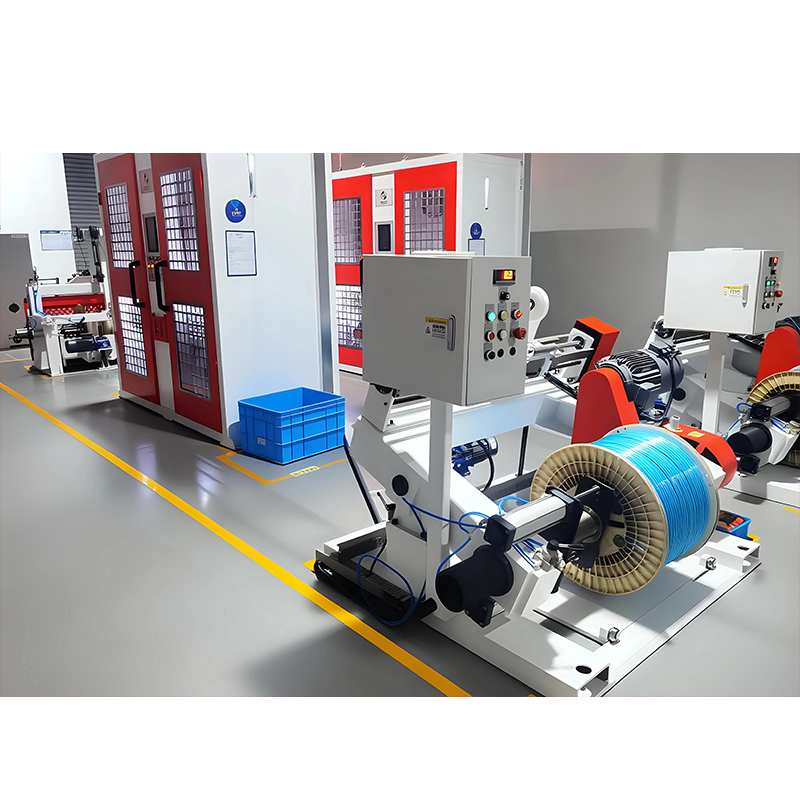
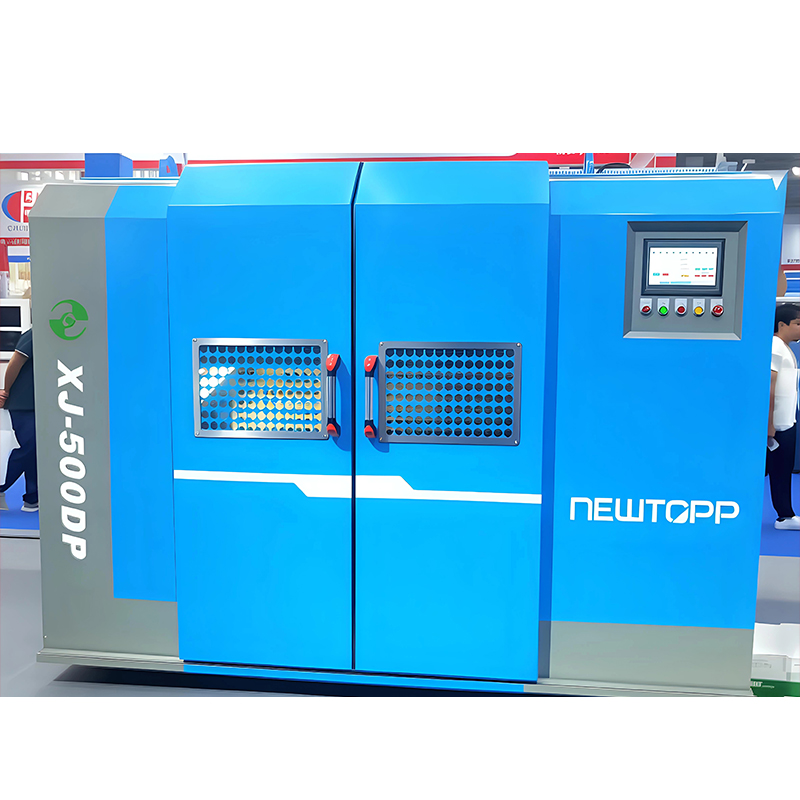
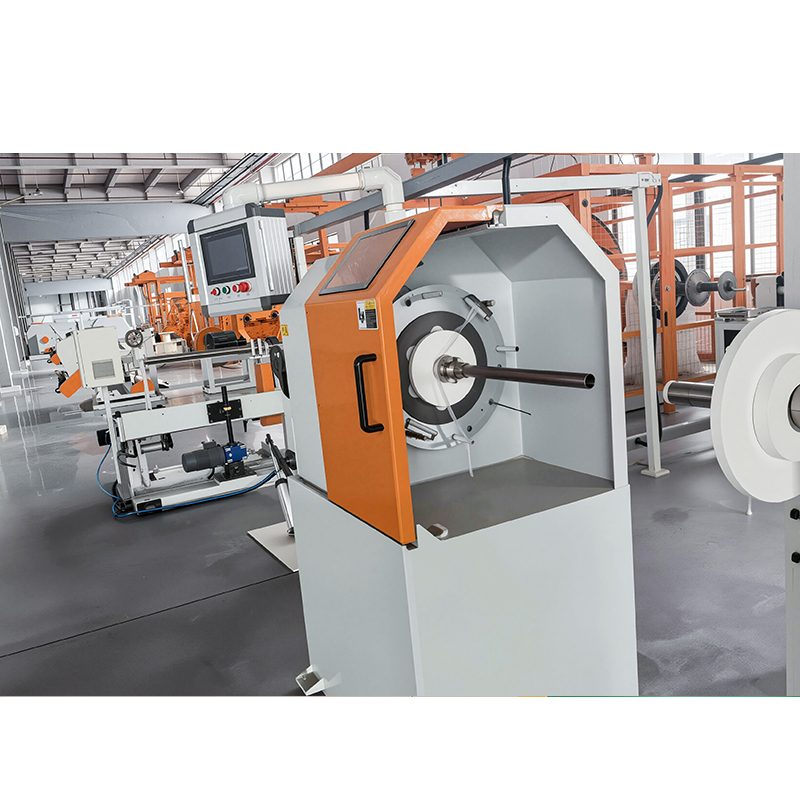
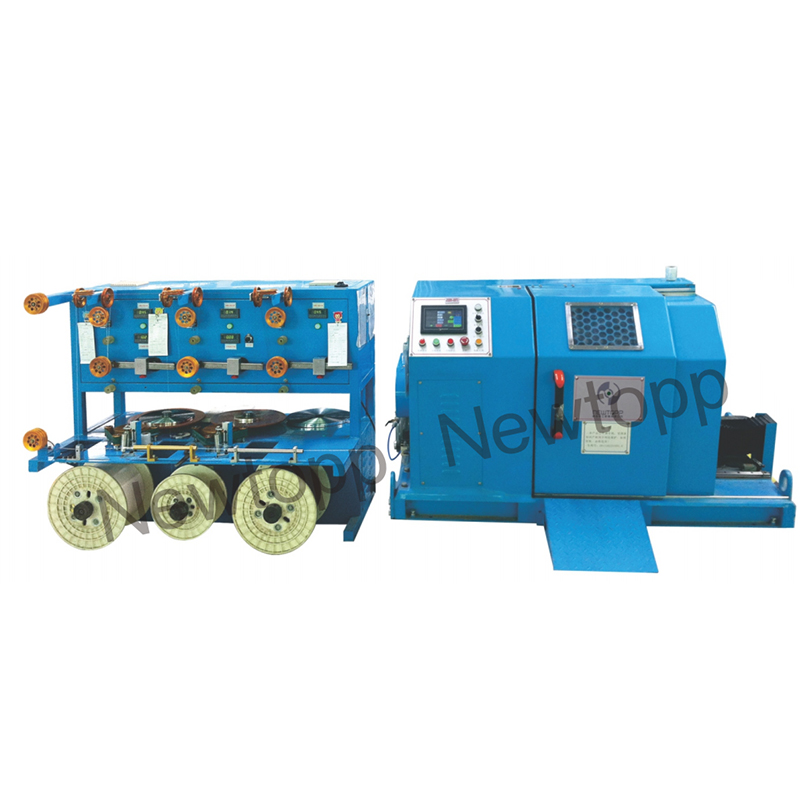
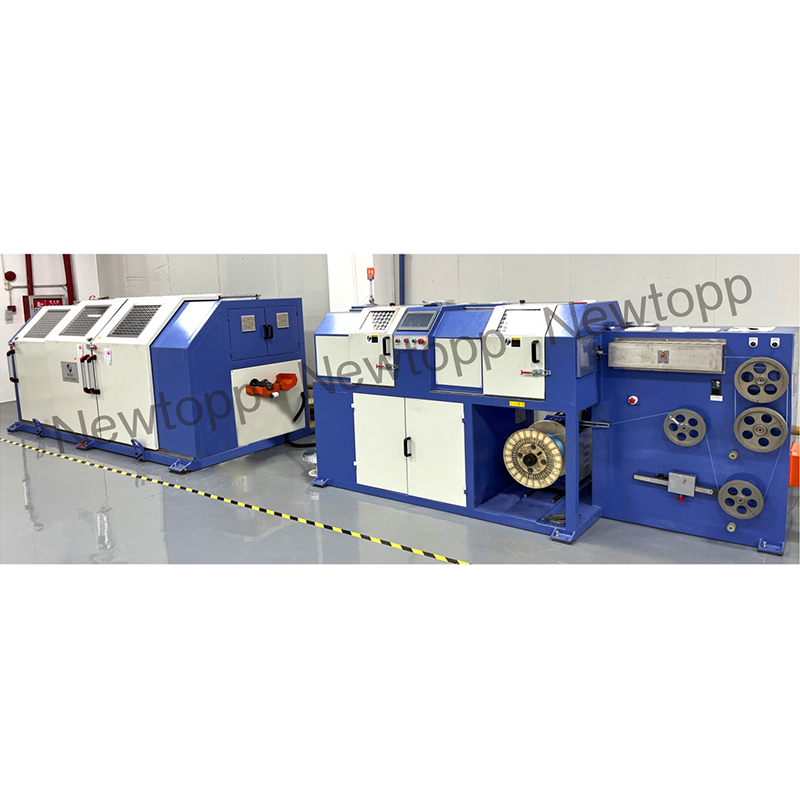
Cable Stranding Machines are essential equipment in modern wire and cable manufacturing. These machines twist multiple individual wires or fibers together to create stronger, more flexible, and efficient cables suitable for various industrial applications. The versatility and precision of cable stranding technology have made these machines indispensable across multiple sectors.
Content
- 1 Key Industries Utilizing Cable Stranding Machines
- 2 Comparing Cable Stranding Machines Across Industries
- 3 Advantages of Using Cable Stranding Machines
- 4 Frequently Asked Questions (FAQ)
- 4.1 Q1: What materials can be processed with Cable Stranding Machines?
- 4.2 Q2: How do Cable Stranding Machines differ for small-scale and large-scale production?
- 4.3 Q3: Can Cable Stranding Machines produce shielded cables?
- 4.4 Q4: What maintenance is required for these machines?
- 4.5 Q5: Are Cable Stranding Machines energy-intensive?
- 5 Conclusion
Key Industries Utilizing Cable Stranding Machines
1. Electrical and Electronics Industry
The electrical and electronics sector is the largest consumer of Cable Stranding Machines. Twisted conductors are crucial for creating electrical wires, power cables, and communication lines. The machines enable manufacturers to produce:
- Power transmission and distribution cables
- Internal wiring for electronics and appliances
- High-speed data and fiber optic cables
For instance, stranded copper or aluminum wires provide higher flexibility and durability than solid wires, making them suitable for household appliances, industrial machinery, and electronic devices.
2. Automotive Industry
Modern vehicles rely heavily on complex wiring systems for safety, connectivity, and control. Cable Stranding Machines allow automotive manufacturers to produce:
- Engine harnesses
- Lighting and infotainment wiring
- Battery and electric vehicle (EV) cables
The trend towards electric vehicles has further increased demand for high-performance stranded cables that can handle higher currents while maintaining flexibility in tight spaces.
3. Telecommunications and Data Transmission
High-speed data transmission requires cables that are both durable and capable of minimizing interference. Stranded cables produced by cable stranding machines are widely used for:
- Fiber optic communication lines
- LAN and network cables
- Telephone and internet service wiring
Compared with solid cables, stranded wires offer improved flexibility for installation in buildings and data centers, reducing the risk of breakage during routing.
4. Renewable Energy Sector
The renewable energy industry, including solar and wind power, increasingly depends on stranded cables for reliability in harsh environments. Applications include:
- Solar panel interconnection cables
- Wind turbine power transmission lines
- Battery storage wiring
Stranded cables can better withstand vibrations, temperature fluctuations, and mechanical stress, making them ideal for energy projects with long service life requirements.
5. Industrial and Heavy Machinery
Industrial machines often require flexible and strong cables to operate effectively under high stress and continuous motion. Cable stranding machines are used to manufacture:
- Control and automation cables
- Robotics wiring
- Conveyor and power distribution lines
Compared to solid-core wires, stranded cables can endure repeated bending and vibration, reducing maintenance costs and downtime in factories.
6. Marine and Aerospace Applications
Marine vessels and aircraft have strict requirements for cable durability, weight, and flexibility. Cable stranding machines produce:
- Lightweight stranded cables for aerospace wiring harnesses
- Corrosion-resistant marine power and communication lines
- High-temperature resistant wiring for engines and avionics
These specialized stranded cables help meet international safety standards and improve overall operational efficiency.
Comparing Cable Stranding Machines Across Industries
While the basic principle of twisting conductors is consistent, Cable Stranding Machines vary depending on industrial needs:
| Industry | Stranding Type | Key Requirements |
|---|---|---|
| Electrical | Concentric and bunch stranding | High conductivity, flexibility |
| Automotive | Compact stranding, fine wires | Flexibility, vibration resistance |
| Telecommunications | High-twist fiber stranding | Signal integrity, EMI protection |
| Renewable Energy | Multi-layer and armored stranding | Durability, UV and temperature resistance |
| Aerospace & Marine | Lightweight, corrosion-resistant stranding | Weight reduction, compliance with safety standards |
Advantages of Using Cable Stranding Machines
- Enhanced Flexibility: Stranded cables can bend and twist without breaking, essential for confined spaces.
- Improved Conductivity: Proper stranding ensures even current distribution and minimal energy loss.
- Longer Lifespan: Stranded wires are more resistant to mechanical stress, vibration, and environmental wear.
- High Production Efficiency: Modern machines support automated, high-speed manufacturing, reducing labor costs.
Frequently Asked Questions (FAQ)
Q1: What materials can be processed with Cable Stranding Machines?
These machines can handle a variety of metals including copper, aluminum, tinned copper, and specialized alloys. They can also strand fiber optic filaments for high-speed data cables.
Q2: How do Cable Stranding Machines differ for small-scale and large-scale production?
Small-scale machines are often semi-automatic and suitable for limited production runs, while industrial-grade machines offer high-speed automation, multi-layer stranding, and precise tension control for mass production.
Q3: Can Cable Stranding Machines produce shielded cables?
Yes, many modern machines include options for shielding, taping, and twisting additional protective layers, which are essential for telecom, data, and industrial cables.
Q4: What maintenance is required for these machines?
Regular inspection of spindles, tension devices, and lubricated parts is essential. Periodic calibration ensures consistent strand quality and prevents downtime.
Q5: Are Cable Stranding Machines energy-intensive?
While they require a stable power source, modern machines are designed for energy efficiency, especially models with variable speed control and automated tension adjustment.
Conclusion
Cable Stranding Machines are pivotal in multiple industries, from electrical and automotive to renewable energy and aerospace. Their ability to create flexible, durable, and high-performance cables ensures operational efficiency and safety across diverse applications. As industrial demands evolve, these machines continue to innovate, supporting the production of advanced wiring solutions for modern infrastructure.
-
Phone
+86 188 2296 5630 +86-(0)515-8510 8601Email
[email protected]
[email protected]
[email protected]
[email protected]
[email protected]
[email protected]Address
No. 168 Haitai Road, Dongtai City, Jiangsu Province, China
Copyright © 2025 Jiangsu NewTopp Precision Machinery Co., Ltd. All Rights Reserved. Wire & Cable Equipment Manufacturer
Robot Cable Production Ancillary Equipment Factory
