

 English
 русский
 Español

Industry News
NEWS


What is a Cable Stranding Machine and What is Its Primary Function?
2026-01-04
The manufacturing of electrical cables and wires involves numerous specialized processes, and one of the most critical pieces of equipment in this field is the Cable Stranding Machine. Understanding its design, functionality, and importance can provide a clear insight into modern cable production technology.
Content
- 1 Overview of a Cable Stranding Machine
- 2 Primary Functions of a Cable Stranding Machine
- 3 Types of Cable Stranding Machines
- 4 Advantages of Using a Cable Stranding Machine
- 5 Comparison: Cable Stranding Machine vs. Manual Stranding
- 6 Applications of Cable Stranding Machines
- 7 Materials Used in Cable Stranding Machines
- 8 Maintenance and Operational Tips
- 9 Frequently Asked Questions (FAQ)
- 9.1 Q1: Can a Cable Stranding Machine handle multiple wire gauges at the same time?
- 9.2 Q2: How does stranding improve cable performance?
- 9.3 Q3: What industries benefit most from using a Cable Stranding Machine?
- 9.4 Q4: How often should a Cable Stranding Machine be serviced?
- 9.5 Q5: Can the machine produce both round and flat cables?
- 10 Conclusion
Overview of a Cable Stranding Machine
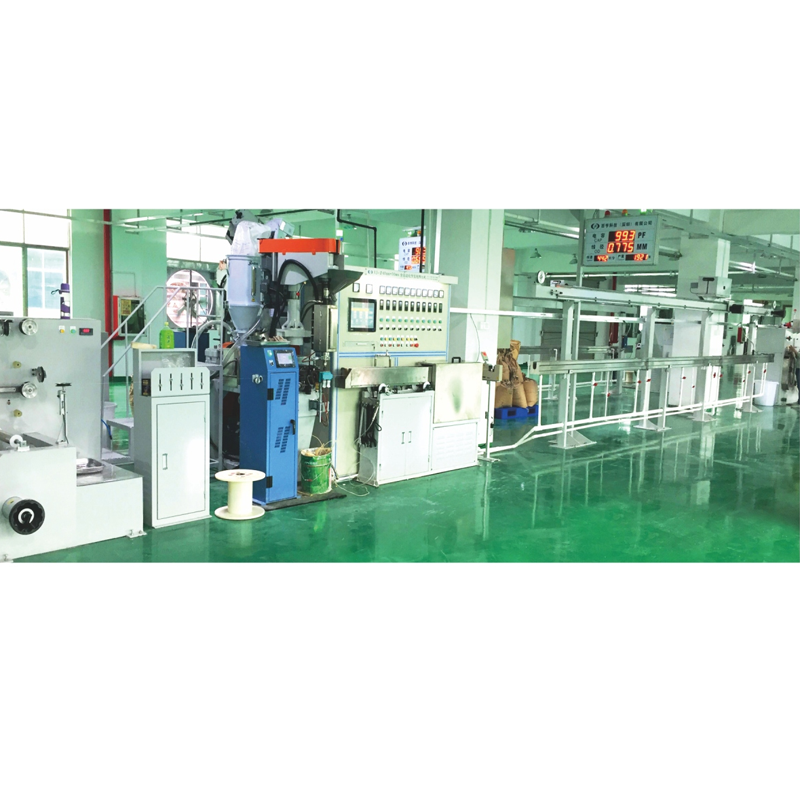
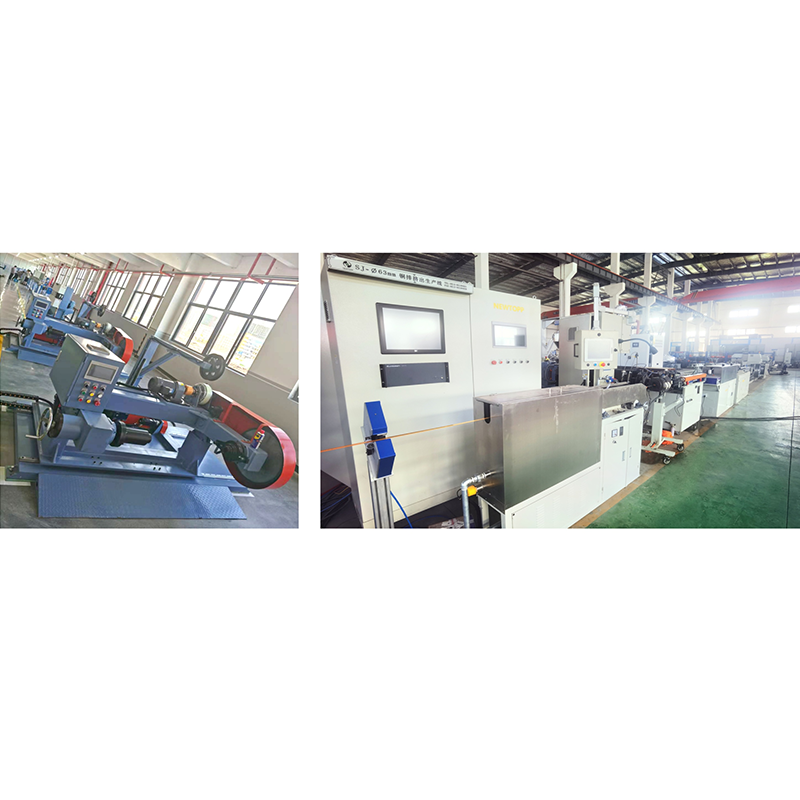
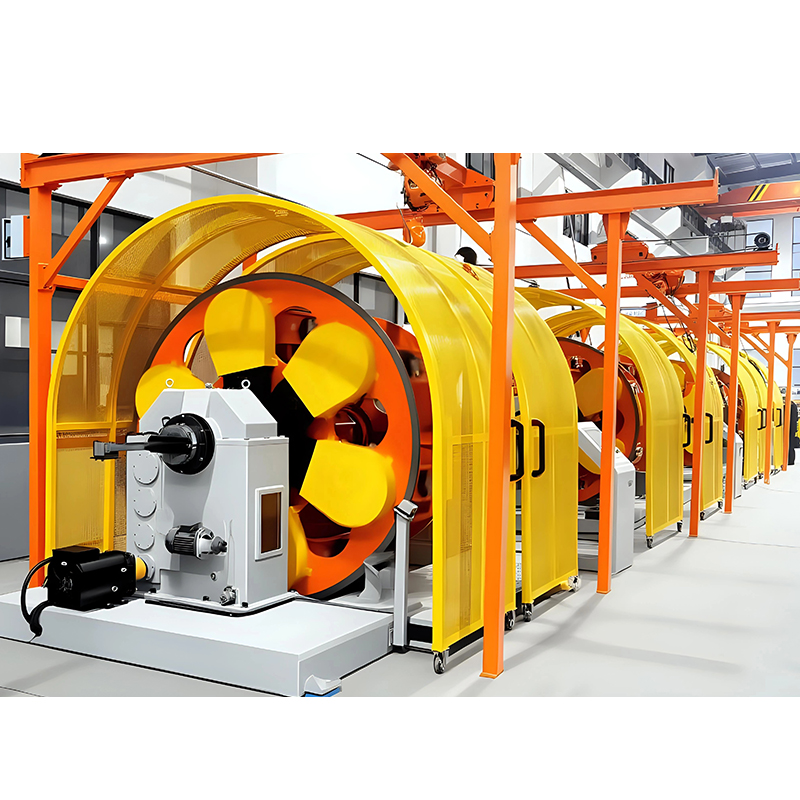
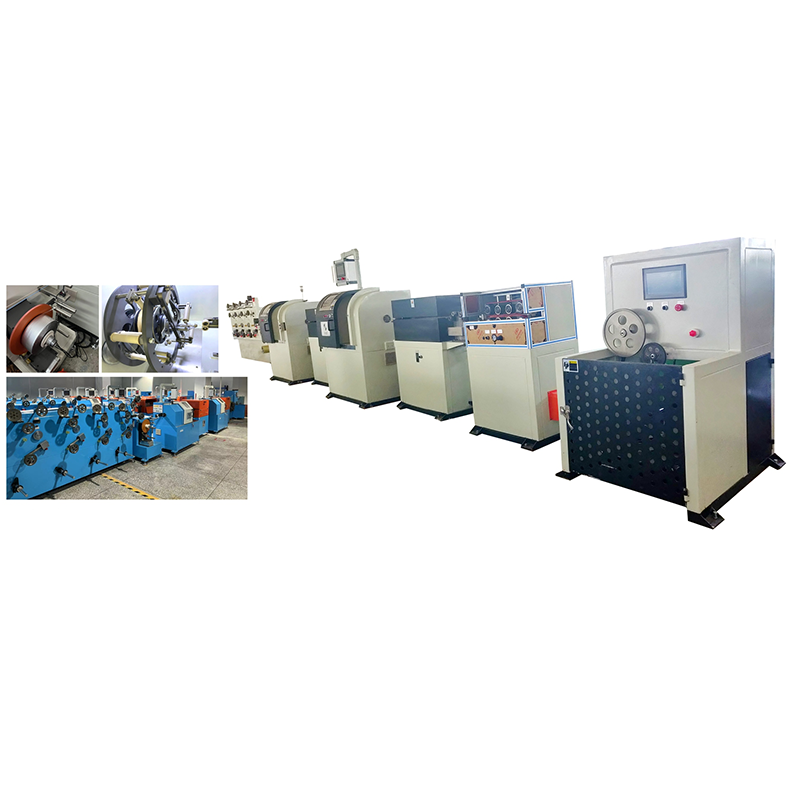
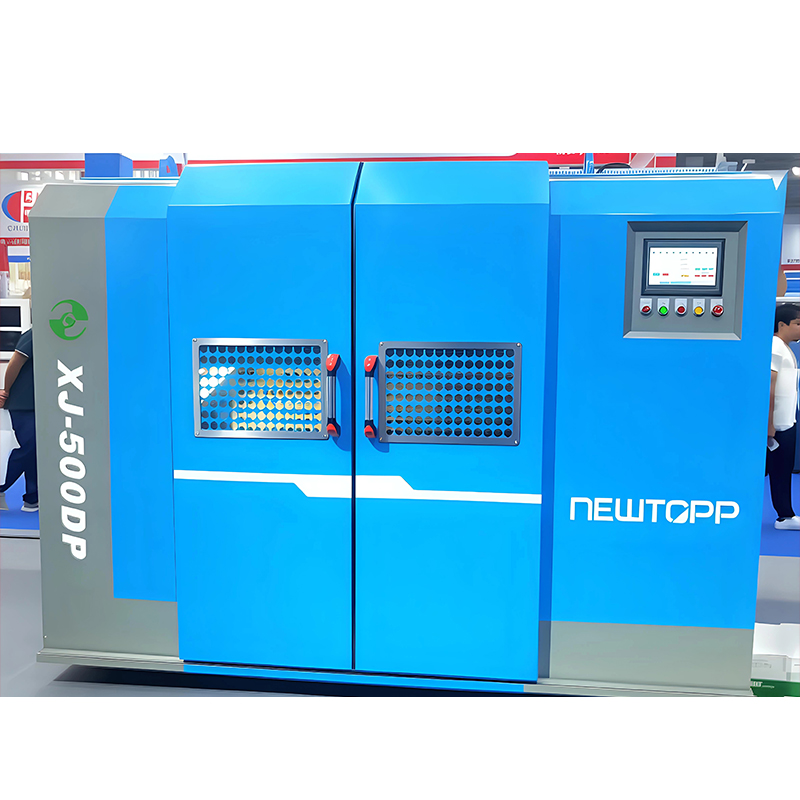
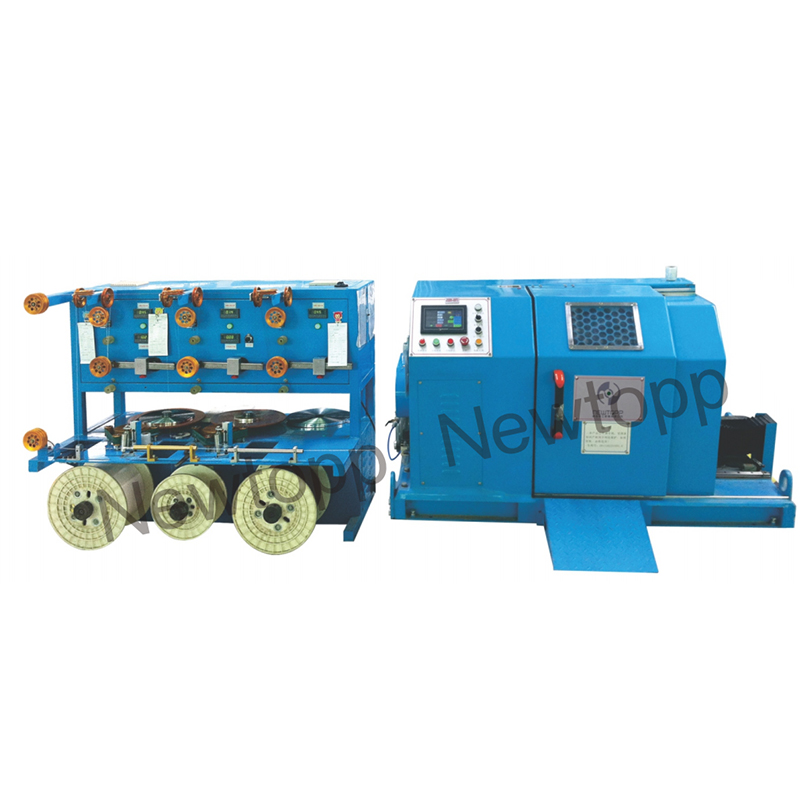
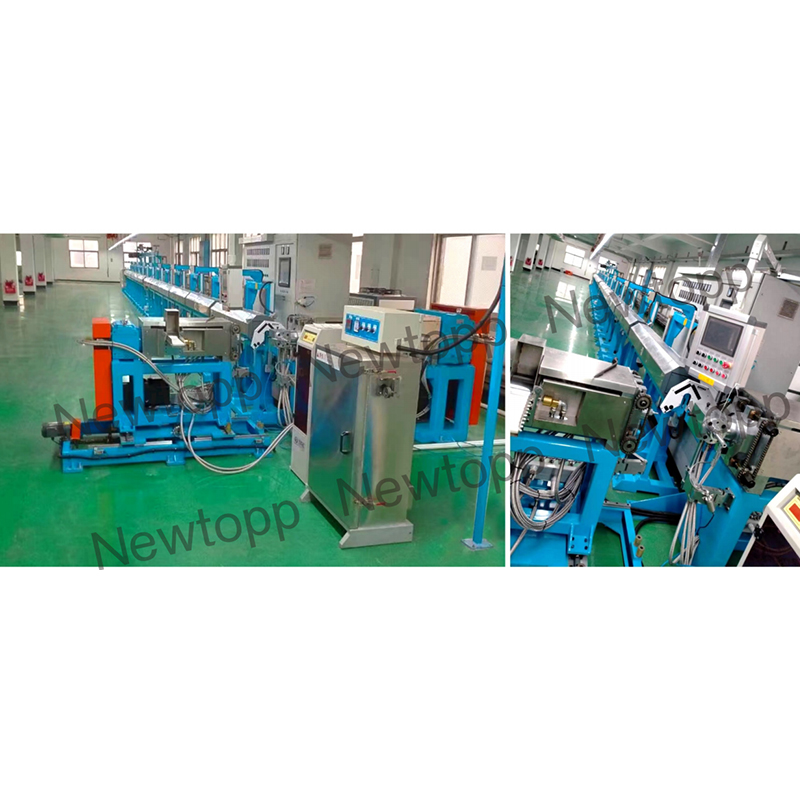
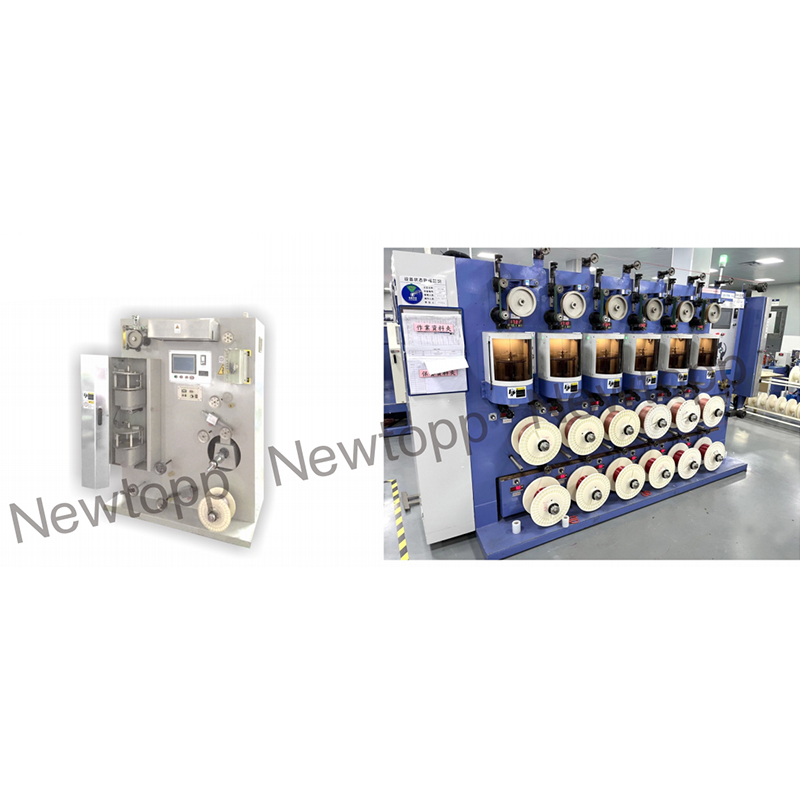
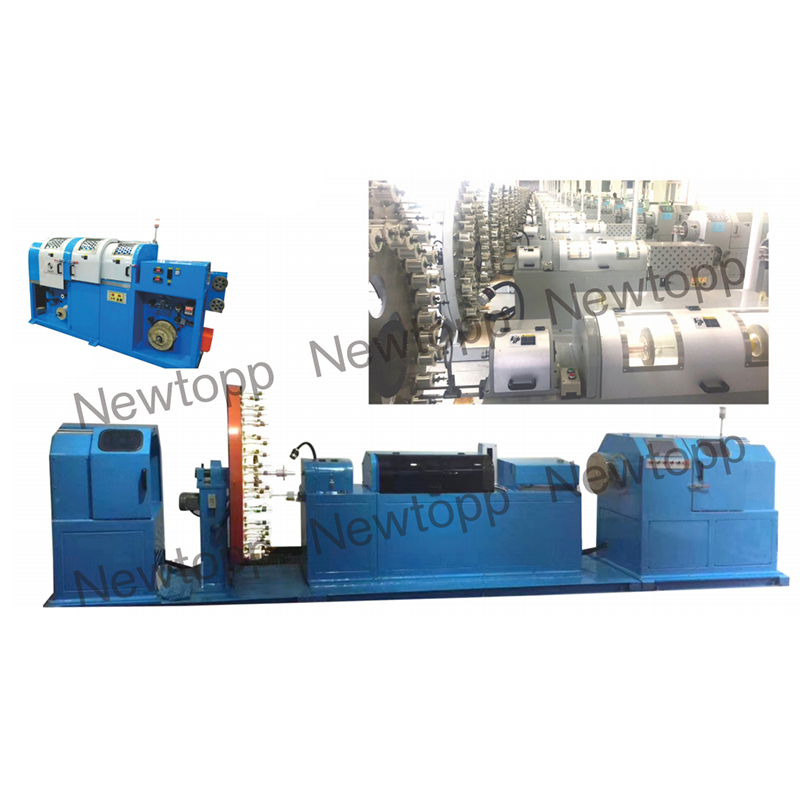
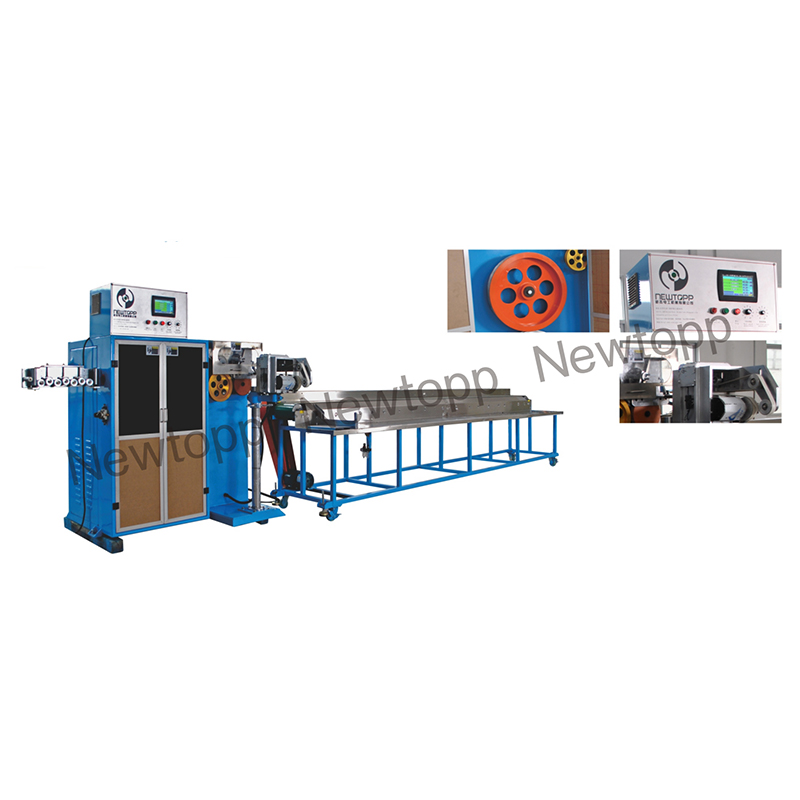
A Cable Stranding Machine is an industrial device designed to twist multiple wires or strands together to form a single cohesive cable. These machines are widely used in the electrical, telecommunications, and industrial sectors, where precise cable construction is crucial for durability, conductivity, and flexibility.
The core purpose of a Cable Stranding Machine is to align and intertwine individual wires in a consistent pattern, creating a stranded cable that is stronger and more reliable than a single solid wire. This process improves mechanical properties and reduces the risk of breakage when the cable is bent or under stress.
Primary Functions of a Cable Stranding Machine
The Cable Stranding Machine performs several essential functions during cable production:
- Wire Twisting: It twists multiple wires together to form a single strand. The twisting pattern can vary depending on the cable specifications.
- Layer Formation: It can create multi-layered cables, where several strands are combined to increase thickness, conductivity, or mechanical strength.
- Tension Control: The machine ensures each wire is under the correct tension, which prevents wire deformation and ensures uniform quality.
- Speed Regulation: Advanced models allow adjustable stranding speeds, enabling compatibility with various wire gauges and materials.
- Customization: Some machines can produce specialized cables, including flat, round, or sector-shaped designs for different applications.
Types of Cable Stranding Machines
Cable stranding machines are not one-size-fits-all. Depending on the production requirements, several types exist:
1. Planetary Stranding Machines
In this type, the individual wire bobbins rotate around a central axis while simultaneously rotating around their own axis. This method provides a balanced tension and is ideal for producing high-precision cables used in data transmission and communication.
2. Tubular Stranding Machines
Here, wires pass through stationary tubes that guide their placement. Tubular machines are often used for larger cables where high output speed is necessary.
3. Compact Stranding Machines
These machines compact the wires during stranding to reduce air gaps, resulting in cables with smaller diameters but increased strength. They are commonly used in power cables and industrial wiring.
Advantages of Using a Cable Stranding Machine
Integrating a Cable Stranding Machine into cable manufacturing provides several benefits:
- Improved Mechanical Strength: Stranded cables resist bending and mechanical stress better than single-core wires.
- Enhanced Conductivity: Stranding multiple wires together can reduce resistance and improve current-carrying capacity.
- Flexibility: Stranded cables are easier to install in confined spaces compared to solid wires.
- Consistency: Automated machines provide uniform twist patterns, ensuring product reliability.
- Customizable Output: Different stranding patterns, layers, and materials can be configured according to industry standards.
Comparison: Cable Stranding Machine vs. Manual Stranding
| Feature | Cable Stranding Machine | Manual Stranding |
|---|---|---|
| Speed | High, can process hundreds of meters per hour | Slow, limited by human capacity |
| Precision | Consistent twist and tension control | Inconsistent, prone to error |
| Flexibility | Supports multiple wire gauges and complex cable designs | Limited to simple cables and small projects |
| Cost Efficiency | High initial investment but lower per-unit cost | Low initial cost but higher labor cost per unit |
Applications of Cable Stranding Machines
The versatility of the Cable Stranding Machine makes it essential in multiple industries:
- Electrical Industry: Producing power cables, flexible wires, and wiring harnesses.
- Telecommunications: Manufacturing telephone wires, fiber optic cables, and data transmission cables.
- Automotive Sector: Creating automotive wiring harnesses that require flexibility and durability.
- Industrial Machinery: Producing high-strength cables for heavy machinery and equipment.
Materials Used in Cable Stranding Machines
The wires processed in a Cable Stranding Machine can vary depending on application:
- Copper Wires: Most common due to high conductivity and flexibility.
- Aluminum Wires: Lightweight and cost-effective, ideal for overhead power transmission.
- Specialty Alloys: Used in high-performance applications requiring corrosion resistance or extreme temperature tolerance.
Maintenance and Operational Tips
Proper maintenance ensures the longevity and efficiency of a Cable Stranding Machine:
- Regular lubrication of moving parts to reduce wear.
- Inspection of tension and twist mechanisms to maintain consistency.
- Replacement of worn rollers and guides to prevent wire damage.
- Calibration of speed and tension settings for different cable types.
Frequently Asked Questions (FAQ)
Q1: Can a Cable Stranding Machine handle multiple wire gauges at the same time?
Yes, modern machines are designed to handle multiple wire gauges simultaneously, allowing for the production of complex multi-strand cables.
Q2: How does stranding improve cable performance?
Stranding improves mechanical strength, flexibility, and conductivity, making cables more durable and efficient for electrical transmission.
Q3: What industries benefit most from using a Cable Stranding Machine?
Electrical, telecommunications, automotive, and industrial machinery industries rely heavily on stranded cables for performance and reliability.
Q4: How often should a Cable Stranding Machine be serviced?
Regular servicing every 3–6 months is recommended depending on usage intensity, with more frequent inspections for high-speed or high-volume production lines.
Q5: Can the machine produce both round and flat cables?
Yes, with adjustable configurations, modern Cable Stranding Machines can produce round, sector-shaped, or flat cables according to specifications.
Conclusion
The Cable Stranding Machine is a cornerstone of modern cable manufacturing, providing high precision, efficiency, and reliability. Its ability to twist, compact, and layer wires ensures that cables meet stringent electrical and mechanical standards. By choosing the right type of machine and maintaining it properly, manufacturers can optimize production, reduce costs, and deliver high-quality cables for a variety of applications.
-
Phone
+86 188 2296 5630 +86-(0)515-8510 8601Email
[email protected]
[email protected]
[email protected]
[email protected]
[email protected]
[email protected]Address
No. 168 Haitai Road, Dongtai City, Jiangsu Province, China
Copyright © 2025 Jiangsu NewTopp Precision Machinery Co., Ltd. All Rights Reserved. Wire & Cable Equipment Manufacturer
Robot Cable Production Ancillary Equipment Factory
