

 English
 русский
 Español


A fiber optic cable production line is an integrated manufacturing system that transforms high-purity silica glass into precision-engineered cables capable of transmitting data at terabit speeds. The global fiber optic cable market reached USD 16.22 billion in 2024 and is projected to grow to USD 65.31 billion by 2035, exhibiting a compound annual growth rate (CAGR) of 13.5%. This comprehensive guide explores the complete manufacturing process, equipment specifications, cost considerations, and quality control measures essential for establishing a modern fiber optic cable production facility.
Content
- 1 Understanding the Core Components of a Fiber Optic Cable Production Line
- 2 Step-by-Step Manufacturing Process: From Preform to Finished Cable
- 3 Investment Analysis: Costs and ROI for Fiber Optic Cable Production Lines
- 4 Single-Mode vs. Multi-Mode: Production Line Considerations
- 5 Quality Control and Testing Standards in Fiber Optic Production
- 6 Industry 4.0 and Automation Innovations
- 7 Challenges and Solutions in Fiber Optic Cable Manufacturing
- 8 Frequently Asked Questions About Fiber Optic Cable Production Lines
- 8.1 What is the typical production capacity of a fiber optic cable production line?
- 8.2 How long does it take to install and commission a production line?
- 8.3 What certifications are required for fiber optic cable manufacturing?
- 8.4 What maintenance schedule is recommended for production line equipment?
- 8.5 Can one production line manufacture both indoor and outdoor cables?
- 8.6 What is the expected ROI period for a fiber optic cable production line investment?
- 8.7 How does automation affect labor requirements?
- 8.8 What are the most common defects in fiber optic cable production?
- 9 Conclusion: The Future of Fiber Optic Cable Production
Understanding the Core Components of a Fiber Optic Cable Production Line
A complete fiber optic cable production line consists of multiple specialized stations working in synchronized harmony to produce cables meeting stringent international standards including ITU-T G.652D, G.657A1/A2, and IEC 60794. Modern facilities achieve automation rates exceeding 95% through integrated PLC-controlled systems.
Primary Manufacturing Modules
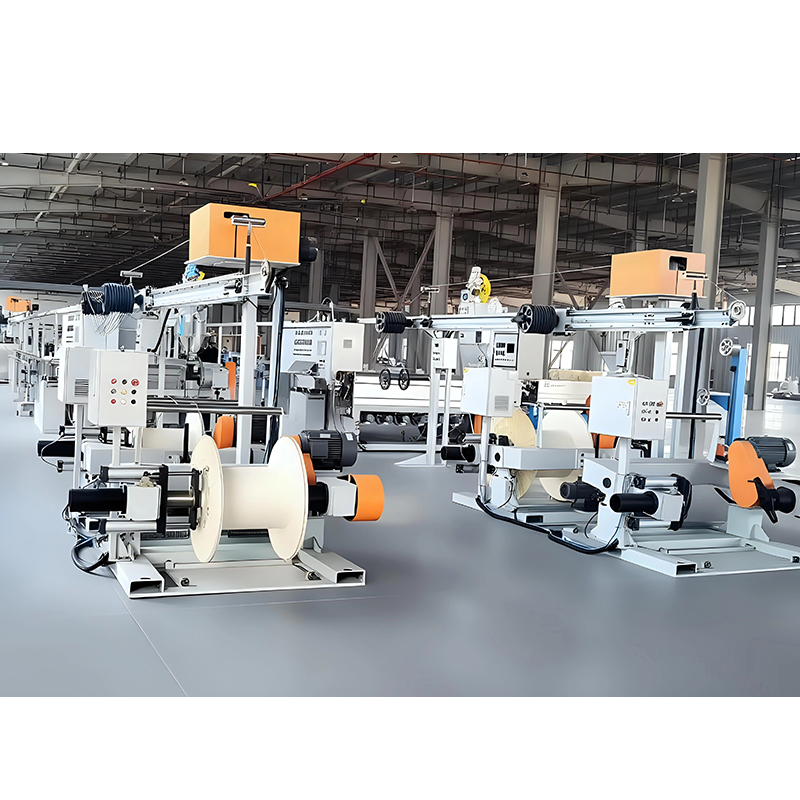
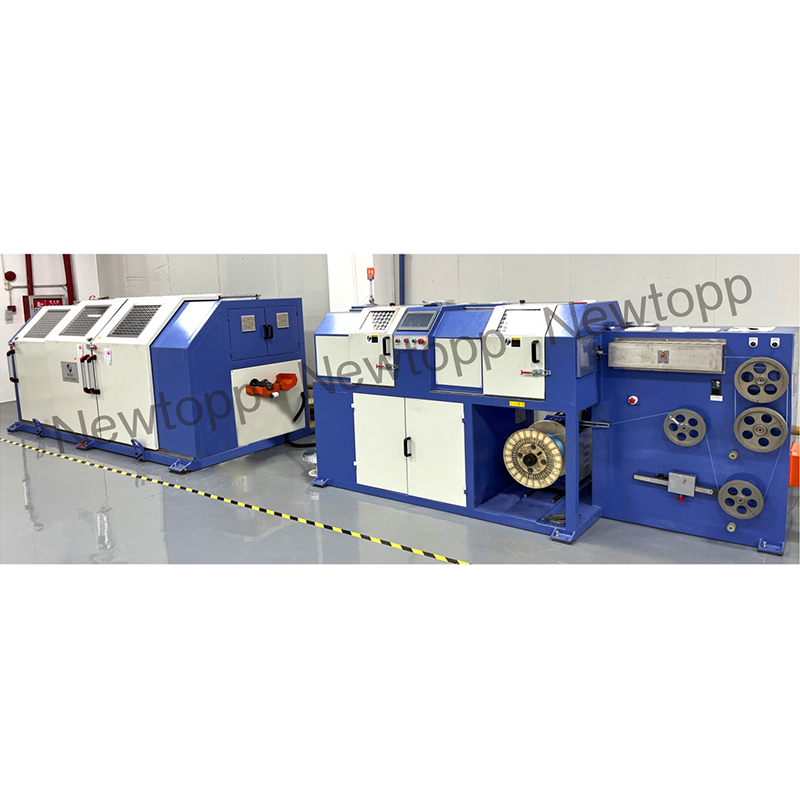
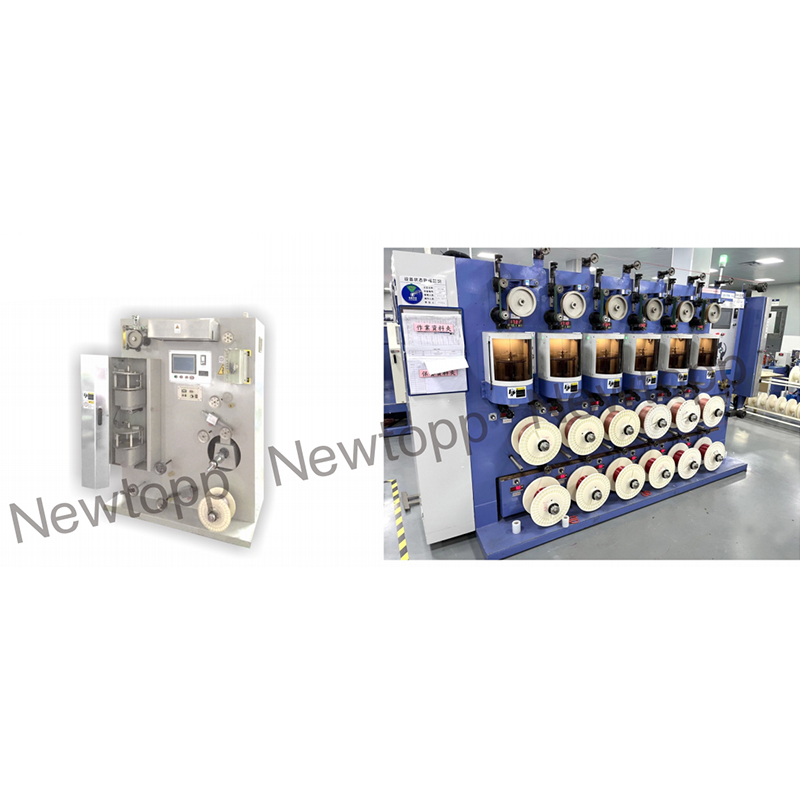
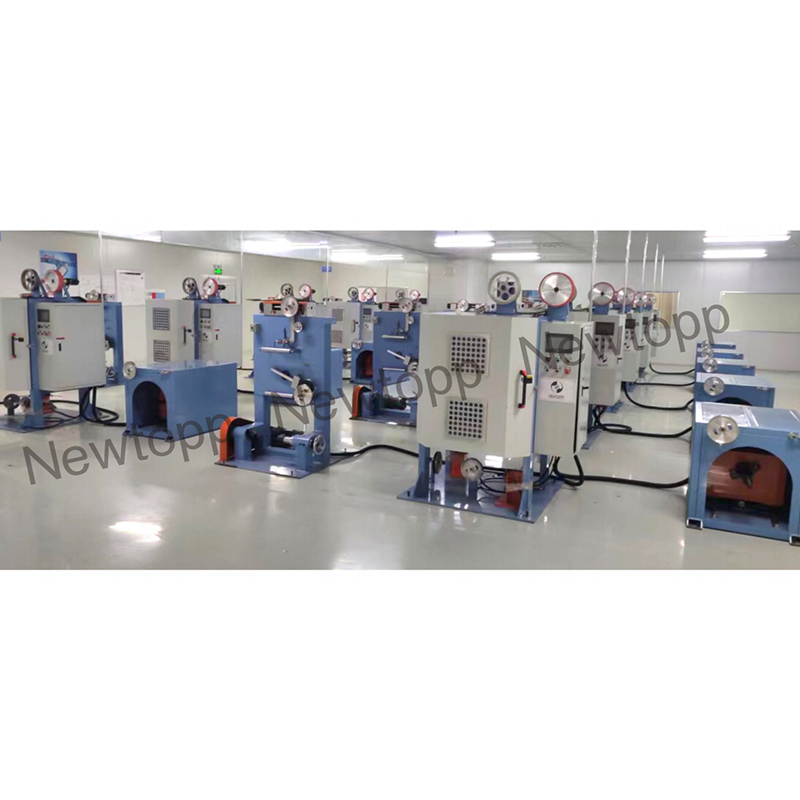
The essential modules comprising a fiber optic cable production line include: fiber coloring machines with up to 12 coloring channels achieving speeds exceeding 1,500 m/min; secondary coating lines applying dual-layer UV-cured protection; SZ stranding lines with servo-controlled laying for up to 24 fibers; tight buffering lines extruding 600-900μm layers; sheathing lines with jacket extrusion capabilities; and comprehensive testing stations for optical attenuation, tensile strength, and environmental resistance.
| Equipment Module | Function | Speed/Capacity | Precision |
|---|---|---|---|
| Secondary Coating Line | Dual-layer UV coating application | Up to 1,200 m/min | ±0.02mm thickness |
| Fiber Coloring Machine | 12-channel color identification | >1,500 m/min | UV curing integration |
| SZ Stranding Line | Servo-controlled fiber laying | ≤3,000 rpm rotation | 0.01mm tension control |
| Sheathing Line | Jacket extrusion (PE/PVC/LSZH) | 60-90 m/min | Laser micrometer feedback |
| Armoring Unit | Steel tape/wire protection | 120 m/min | 98% overlap accuracy |
Step-by-Step Manufacturing Process: From Preform to Finished Cable
The fiber optic cable production line process begins with manufacturing ultra-pure glass preforms and concludes with rigorous quality testing. Each stage requires precise environmental controls and real-time monitoring to ensure optical performance meets international standards.
Stage 1: Preform Manufacturing and Fiber Drawing
The foundation of every fiber optic cable production line starts with creating solid glass rods called preforms using Modified Chemical Vapor Deposition (MCVD) or Outside Vapor Deposition (OVD) processes. High-purity chemicals including silicon tetrachloride (SiCl₄) and germanium tetrachloride (GeCl₄) undergo thermal reactions to form glass layers with precise refractive index profiles. The preform is then heated to approximately 1,900°C in a drawing tower, where gravity and precise tension control draw the fiber to a diameter of 125 microns with tolerance of only 1 micron. Modern drawing towers achieve speeds of 10-20 meters per second, with some advanced systems reaching up to 3,500 m/min.
Stage 2: Primary and Secondary Coating Application
Immediately after drawing, fibers receive a dual-layer protective coating through the fiber optic cable production line coating station. A soft inner layer and hard outer layer are applied and cured using ultraviolet lamps, providing mechanical protection while maintaining optical integrity. Advanced UV-cured acrylate formulations now reduce microbending losses by 40% compared to 2020 standards. The coating process maintains precise diameter control of 250μm to ensure compatibility with subsequent manufacturing stages.
Stage 3: Fiber Coloring and Identification
Individual fiber identification occurs through high-speed coloring machines that apply UV-cured ink in up to 12 distinct colors. This process enables technicians to distinguish between multiple fibers within a single cable during installation and maintenance operations. The coloring line operates at speeds exceeding 1,500 m/min while maintaining colorfastness throughout the cable's operational lifetime.
Stage 4: SZ Stranding and Cable Core Formation
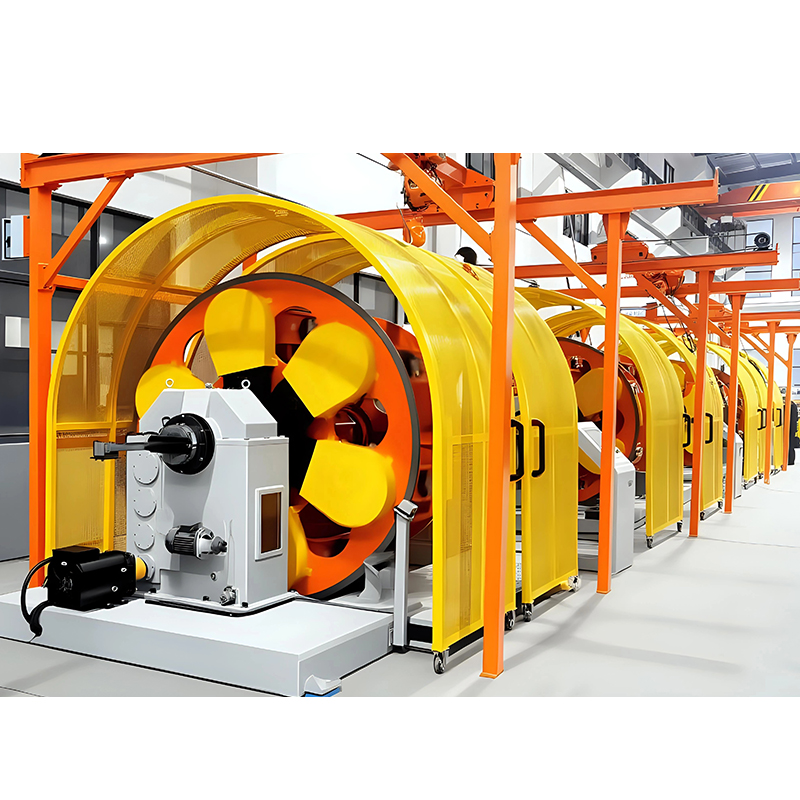
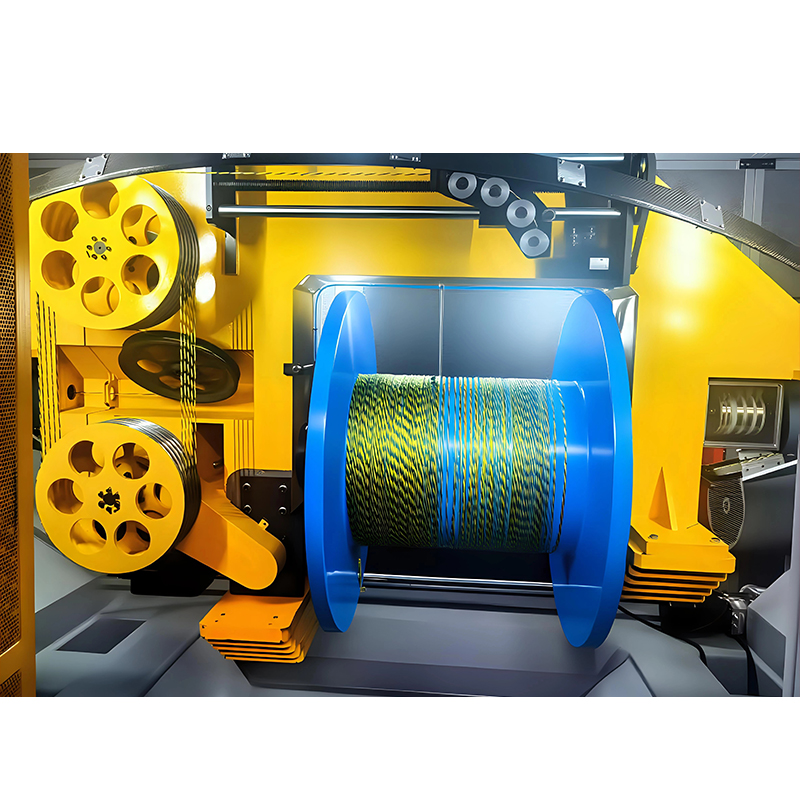
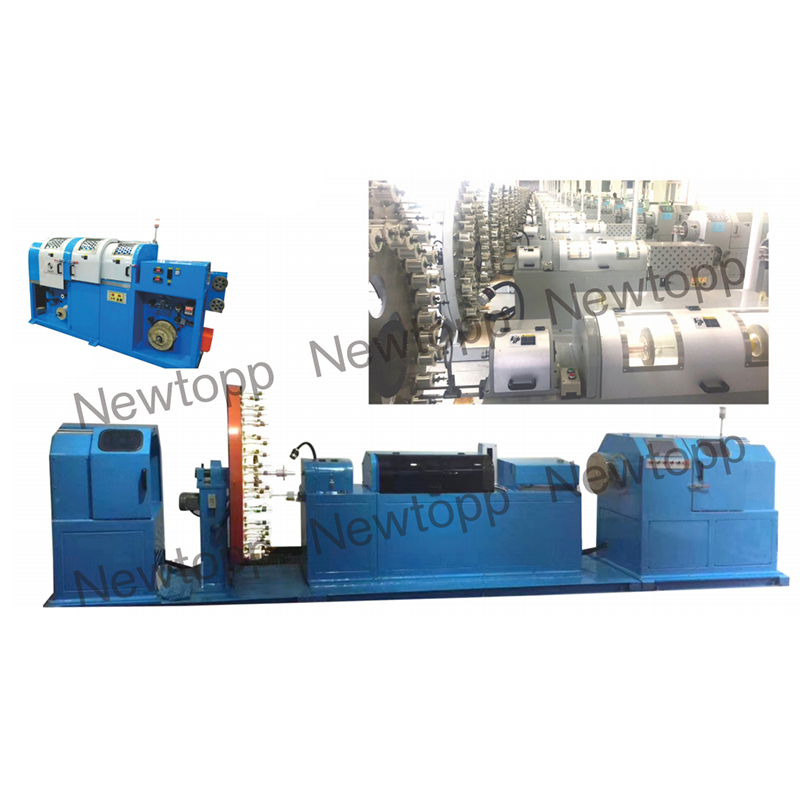
The SZ stranding process represents a critical innovation in fiber optic cable production line technology. Unlike traditional helical stranding, SZ stranding alternates the lay direction periodically, creating a sinusoidal fiber path that accommodates thermal expansion and mechanical stress. Modern stranding machines handle up to 144 individual fiber strands with tension precision of 0.01mm, operating at rotation speeds up to 3,000 rpm. This technology supports both jelly-filled and dry cable designs while maintaining low stranding tension fluctuation and accurate lay length control.
Stage 5: Sheathing and Jacket Extrusion
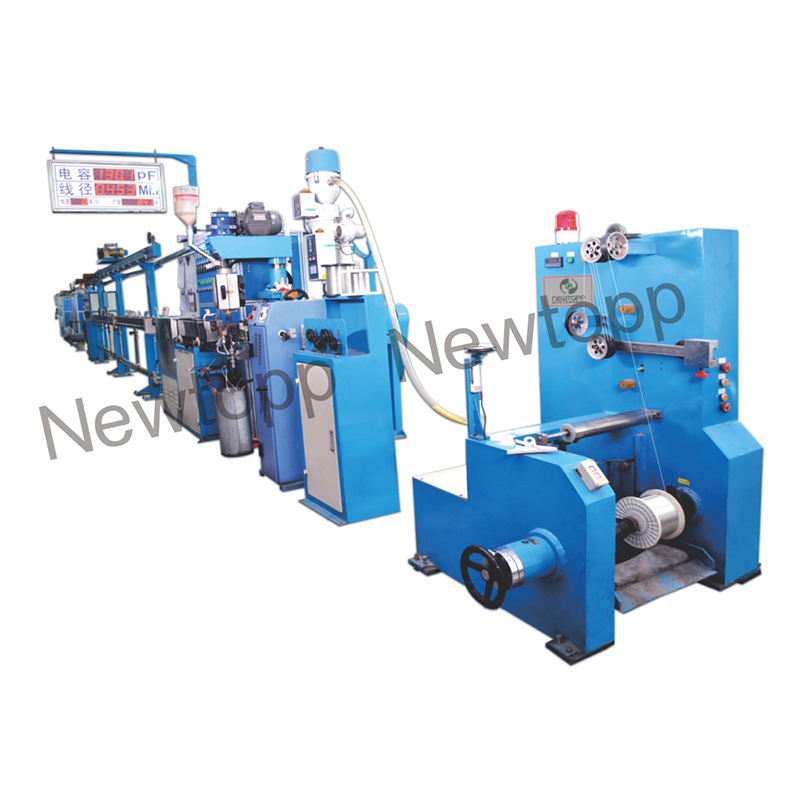
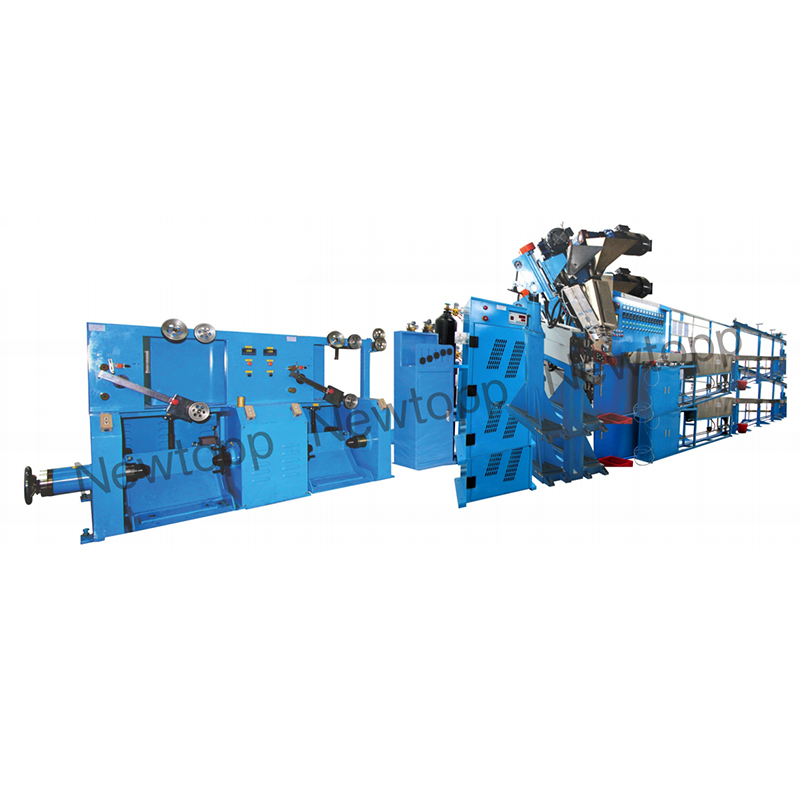
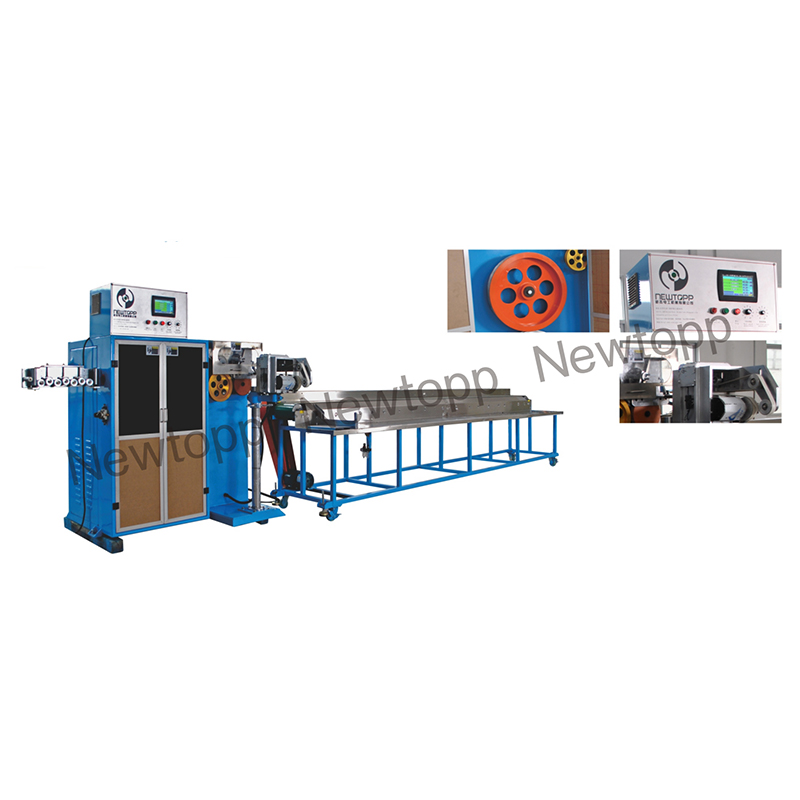
The final protective layers are applied through precision extrusion systems. The fiber optic cable production line extruder melts plastic pellets (PE, PVC, or LSZH) and applies them through specialized die heads at controlled temperatures. Key parameters include maintaining barrel temperature zones between 180-220°C, screw speeds synchronized with line velocity, and cooling troughs with gradual temperature reduction to prevent stress cracking. Servo-driven extruders maintain jacket thickness consistency within ±0.02mm using real-time laser micrometer feedback.
Investment Analysis: Costs and ROI for Fiber Optic Cable Production Lines
Establishing a fiber optic cable production line requires substantial capital investment ranging from $750,000 for entry-level configurations to $20 million for comprehensive high-capacity facilities. Understanding the cost structure enables informed decision-making for manufacturers entering this growing market.
| Cost Category | Entry-Level ($) | Mid-Range ($) | High-Capacity ($) |
|---|---|---|---|
| Complete Production Line | 750,000 - 1,200,000 | 2,500,000 - 5,000,000 | 5,000,000 - 20,000,000 |
| Fiber Drawing Tower | 500,000 - 800,000 | 1,000,000 - 1,500,000 | 2,000,000+ |
| Secondary Coating Line | 200,000 - 350,000 | 400,000 - 500,000 | 600,000+ |
| SZ Stranding Equipment | 300,000 - 500,000 | 600,000 - 800,000 | 1,000,000+ |
| Sheathing/Extrusion Line | 500,000 - 700,000 | 800,000 - 1,000,000 | 1,500,000+ |
| Testing Equipment | 100,000 - 200,000 | 300,000 - 500,000 | 800,000+ |
Operational expenditures for fiber optic cable production line facilities typically break down as follows: raw materials constitute 60-70% of operating costs, utilities 10-15%, with labor, maintenance, and overhead comprising the remainder. The estimated manufacturing cost per kilometer ranges between $35-$80, depending on cable type and production efficiency.
Single-Mode vs. Multi-Mode: Production Line Considerations
Different cable types require specific adjustments to the fiber optic cable production line configuration. Single-mode fibers with 9-micron cores demand higher precision in coating and stranding operations compared to multi-mode fibers with 50 or 62.5-micron cores.
| Parameter | Single-Mode Fiber | Multi-Mode Fiber |
|---|---|---|
| Core Diameter | 9 microns | 50/62.5 microns |
| Typical Applications | Long-distance, high-bandwidth | Short-distance, data centers |
| Production Tolerance | ±0.5 microns | ±1.0 microns |
| Coating Requirements | Enhanced microbending protection | Standard dual-layer coating |
| Testing Wavelengths | 1310nm, 1550nm, 1625nm | 850nm, 1300nm |
| Market Share 2024 | 46% | 54% |
Multi-mode fibers currently dominate the market with 54% share due to cost-effectiveness for short-distance applications, while single-mode fibers are experiencing faster growth rates driven by 5G infrastructure and long-haul telecommunications requirements.
Quality Control and Testing Standards in Fiber Optic Production
Quality assurance represents a critical component of any fiber optic cable production line, with AI-powered inspection systems ensuring compliance with ITU-T G.657 standards. Modern facilities implement 100% testing protocols rather than statistical sampling to guarantee performance reliability.
Tier 1 and Tier 2 Testing Protocols
According to TIA-568.3-D standards, fiber optic cable production line testing encompasses two tiers. Tier 1 testing includes link attenuation measurement using Optical Loss Test Sets (OLTS), length verification, and polarity checking. Tier 2 testing employs Optical Time Domain Reflectometers (OTDR) to provide visual traces of the fiber network, identifying splice losses, connector quality, and potential fault locations.
Critical Quality Parameters
Essential measurements conducted throughout the fiber optic cable production line process include: attenuation testing at 1550nm identifying variations as small as 0.01dB/km; thermal cycling from -60°C to +85°C verifying jacket stability; tensile strength testing ensuring 1.2GPa minimum for FRP strength members; and bend radius simulators applying 20x cable diameter bends while monitoring macrobend loss thresholds.
Industry 4.0 and Automation Innovations
The modern fiber optic cable production line leverages Industry 4.0 technologies to achieve unprecedented efficiency levels. Machine learning models analyze over 50 production parameters to predict quality deviations two hours in advance, enabling proactive adjustments. Digital twin technology creates virtual replicas of production lines, reducing commissioning time for new cable designs by 60%.
Smart Factory Integration
Leading manufacturers implement comprehensive automation solutions including: Automated Guided Vehicles (AGVs) transporting 1,200kg cable drums with sub-5cm positioning accuracy; edge computing systems processing 1.2TB of daily production data for immediate quality alerts; and regenerative braking systems in take-up reels reducing power consumption by 32%.
Sustainability Initiatives
Environmental considerations increasingly influence fiber optic cable production line design. Closed-loop cooling systems reduce water usage by 75% through adiabatic cooling, while recyclable polypropylene-based jackets enable 100% post-consumer recycling without performance degradation. Energy recovery systems and chiller-less extrusion technologies significantly reduce the carbon footprint of manufacturing operations.
Challenges and Solutions in Fiber Optic Cable Manufacturing
Despite technological advances, fiber optic cable production line operations face significant challenges including skilled labor shortages, complex approval procedures for infrastructure projects, and high construction costs affecting profitability.
Addressing the Skills Gap
The broadband industry requires approximately 205,000 additional fiber technicians to meet deployment targets, with potential delays of 18 months or longer without adequate workforce development. Solutions include comprehensive training programs, "train the trainer" models for knowledge dissemination, and increased automation to reduce dependence on manual labor.
Deployment Complexity Solutions
Pre-connectorized solutions and hardened connectivity products accelerate field installation, with testing demonstrating five times faster deployment compared to traditional splicing methods. High-density microcables (≤8mm diameter) address space constraints in existing ducts while maximizing fiber count per cable.
Frequently Asked Questions About Fiber Optic Cable Production Lines
What is the typical production capacity of a fiber optic cable production line?
Modern fiber optic cable production line systems achieve output speeds up to 1,000 meters per minute for coating and extrusion sections, with annual production capacities ranging from 1 million to 10 million fiber kilometers depending on line configuration and operational schedules.
How long does it take to install and commission a production line?
Complete installation and commissioning of a fiber optic cable production line typically requires 3-6 months, including equipment delivery, mechanical installation, electrical integration, and trial production runs. Digital twin technologies can reduce commissioning time by up to 60%.
What certifications are required for fiber optic cable manufacturing?
Essential certifications include ISO 9001:2015 for quality management, CE marking for European markets, UL certification for North America, and compliance with IEC 60794 and ITU-T standards for optical fiber specifications. Certification costs range from $10,000 to $100,000 depending on scope.
What maintenance schedule is recommended for production line equipment?
Preventive maintenance cycles for fiber optic cable production line equipment typically occur every 6 months, including screw and barrel inspection, die head cleaning, calibration of tension control systems, and replacement of wear components.
Can one production line manufacture both indoor and outdoor cables?
Yes, modern fiber optic cable production line configurations offer modular flexibility to produce indoor cables (tight-buffered, distribution), outdoor cables (loose tube, armored), and FTTH drop cables through quick-change tooling and adjustable process parameters.
What is the expected ROI period for a fiber optic cable production line investment?
Return on investment typically ranges from 3-5 years depending on market conditions, capacity utilization, and product mix. High-capacity facilities producing specialized cables (submarine, armored) may achieve faster payback periods due to higher profit margins.
How does automation affect labor requirements?
Advanced fiber optic cable production line automation reduces direct labor requirements by 60-70% compared to manual operations, though skilled technicians remain essential for process control, quality assurance, and equipment maintenance.
What are the most common defects in fiber optic cable production?
Common defects include surface pores and pinholes caused by moisture in raw materials or temperature fluctuations, eccentric sheathing due to misaligned dies, and attenuation spikes from microbending. Strict material handling protocols and real-time process monitoring minimize these issues.
Conclusion: The Future of Fiber Optic Cable Production
The fiber optic cable production line industry stands at the intersection of unprecedented demand growth and technological innovation. With global data consumption doubling every three years and 5G networks requiring massive fiber infrastructure expansion, manufacturers must invest in automated, sustainable, and flexible production systems to remain competitive.
Success in this market requires balancing high-volume production capabilities with the agility to produce specialized cables for emerging applications including data center interconnects, submarine networks, and smart city infrastructure. Companies that embrace Industry 4.0 technologies, prioritize workforce development, and implement sustainable manufacturing practices will capture the greatest value from the projected $65 billion market opportunity by 2035.
Whether establishing a new facility or upgrading existing capabilities, understanding the comprehensive requirements of fiber optic cable production line technology—from precision preform manufacturing to AI-driven quality control—enables informed investment decisions and operational excellence in this critical infrastructure sector.