

 English
 русский
 Español


Quick Answer: A cable extruder is a specialized industrial machine that shapes molten plastic or rubber materials around wire conductors to create insulated cables. The global cable extruder market is valued at approximately $5.4 billion in 2025 and is projected to reach $8.2 billion by 2032, growing at a CAGR of 6.2%. These machines are essential for producing power cables, communication wires, and specialized industrial cabling used across energy, telecommunications, and automotive sectors.
Content
- 1 Understanding the Fundamentals of Cable Extruder Technology
- 2 Major Types of Cable Extruder Systems: A Comprehensive Comparison
- 3 Production Technologies: Direct Extrusion vs. Co-Extrusion in Cable Extruder Systems
- 4 Market Dynamics and Regional Trends in Cable Extruder Industry
- 5 Key Application Segments Driving Cable Extruder Demand
- 6 Technological Innovations Transforming Cable Extruder Capabilities
- 7 Selecting the Optimal Cable Extruder: Strategic Considerations
- 8 Frequently Asked Questions About Cable Extruder Technology
- 8.0.1 Q: What is the primary function of a cable extruder in wire manufacturing?
- 8.0.2 Q: How do single screw and twin screw cable extruders differ in operation?
- 8.0.3 Q: What is driving the growth of the global cable extruder market?
- 8.0.4 Q: Which regions lead in cable extruder manufacturing and adoption?
- 8.0.5 Q: What are the main applications for cable extruder equipment?
- 8.0.6 Q: How does co-extrusion technology differ from direct extrusion?
- 8.0.7 Q: What factors should manufacturers consider when investing in cable extruder equipment?
- 9 Future Outlook: The Evolution of Cable Extruder Technology
Understanding the Fundamentals of Cable Extruder Technology
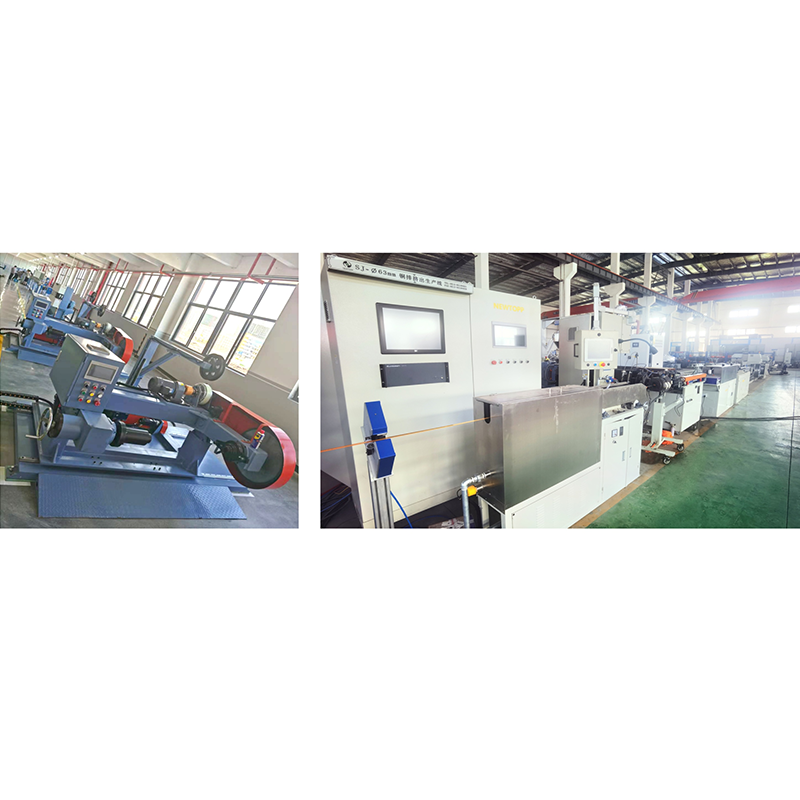
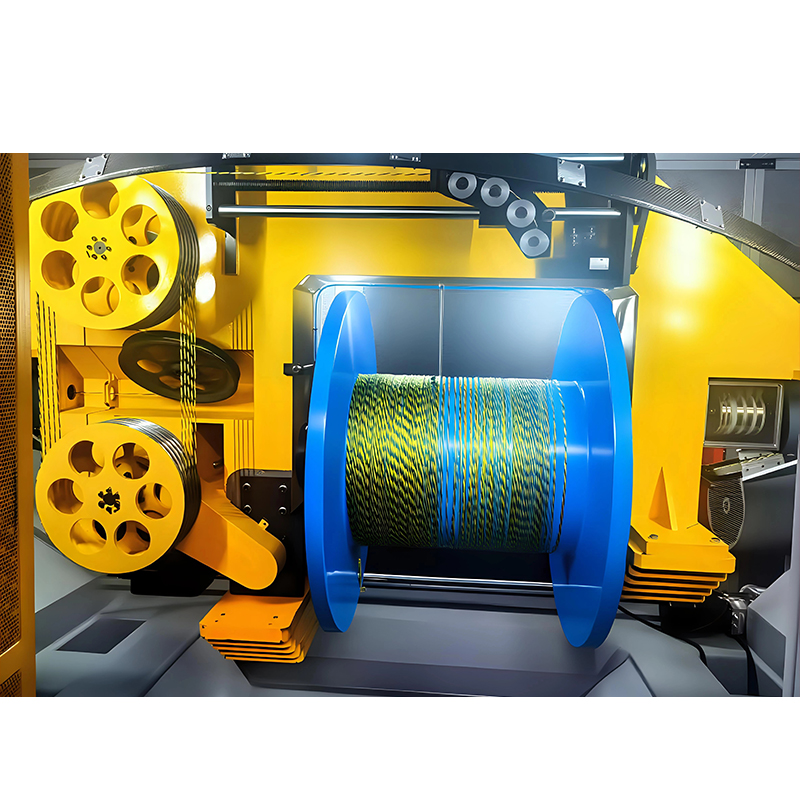
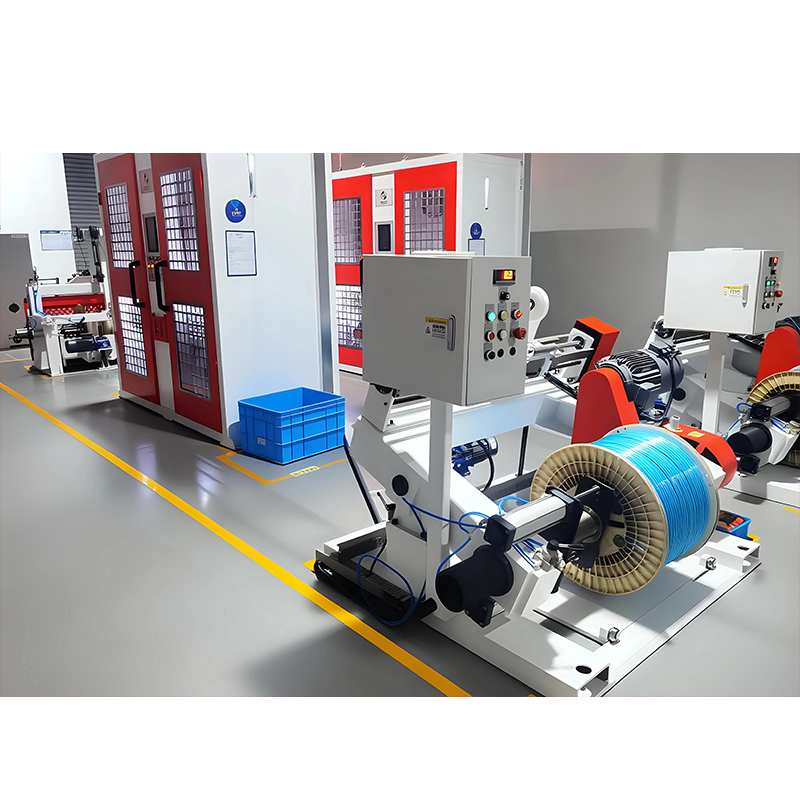
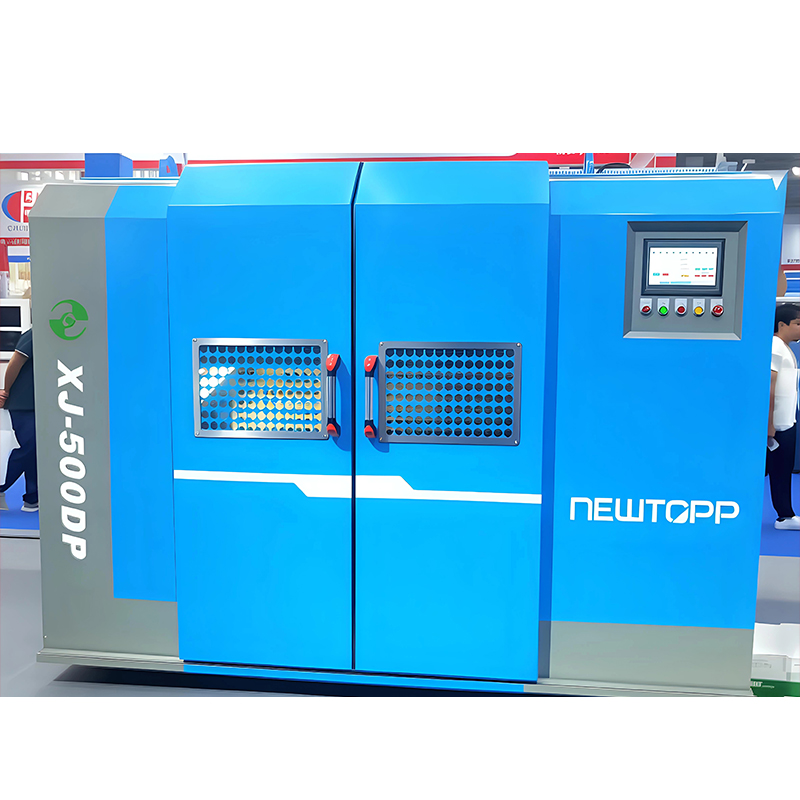
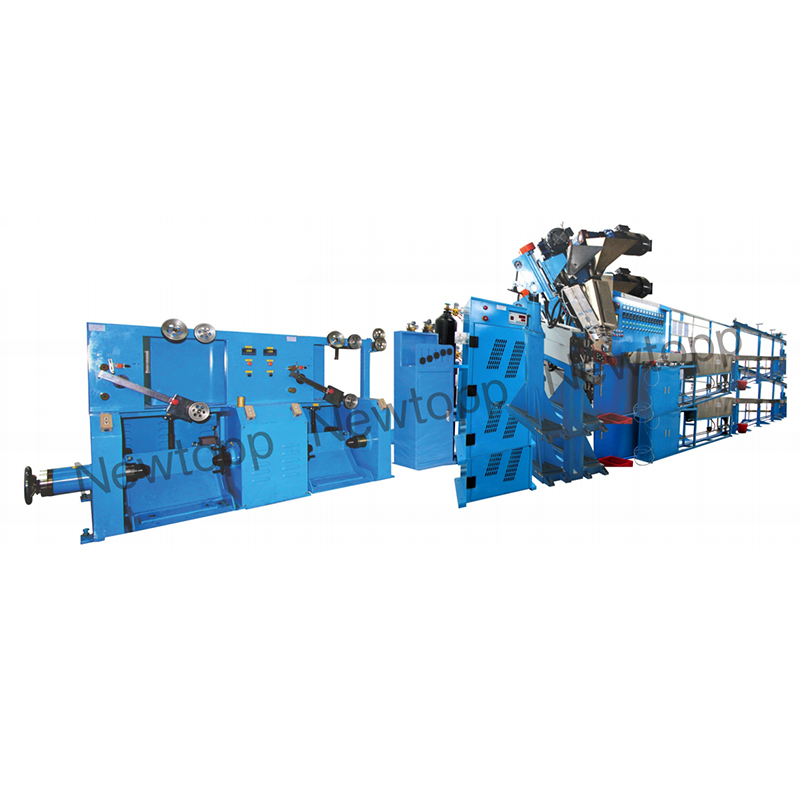
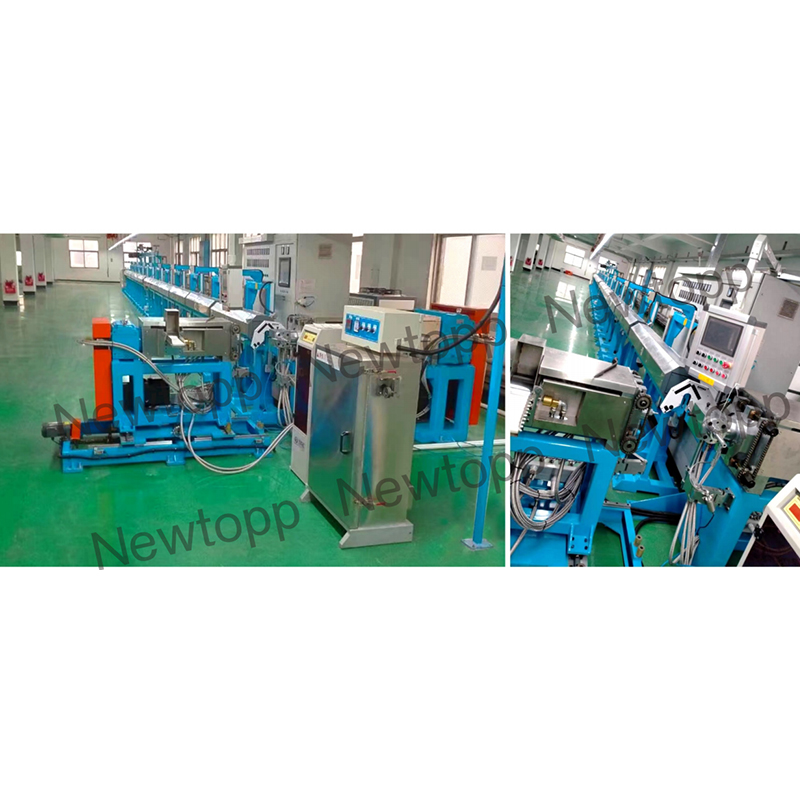
The cable extruder represents one of the most critical pieces of equipment in modern wire and cable manufacturing facilities. At its core, this machine performs the essential function of applying protective insulation and jacketing layers to electrical conductors, transforming bare wires into fully functional cables capable of transmitting power and data safely and efficiently.
The extrusion process begins when raw polymer materials—typically PVC, polyethylene, XLPE, or specialized rubber compounds—are fed into the extruder's heated barrel. Inside, a rotating screw (or screws) conveys the material forward while generating frictional heat that melts the polymer into a homogeneous molten state. This molten material is then forced through a precision-engineered die that shapes it around the wire conductor passing through the center, creating a uniform insulation layer that cools and solidifies as it exits the machine.
According to recent market research, the cable extruder industry is experiencing unprecedented growth driven by several macroeconomic factors. The global market size, estimated at $5.4 billion in 2025, reflects the increasing demand for advanced cabling solutions in renewable energy projects, 5G telecommunications infrastructure, and electric vehicle manufacturing. With a projected compound annual growth rate of 6.2% through 2032, the industry is positioned for sustained expansion as global electrification and digitalization efforts accelerate.
Major Types of Cable Extruder Systems: A Comprehensive Comparison
When evaluating cable extruder equipment for manufacturing operations, understanding the distinct characteristics of different extruder configurations is essential for making informed investment decisions. The two primary categories—single screw and twin screw extruders—each offer unique advantages and limitations that must be carefully weighed against specific production requirements.
Single Screw Cable Extruder: The Industry Workhorse
The single screw cable extruder dominates the current market landscape, commanding approximately 50% of global market share in 2025. This configuration features one rotating screw housed within a heated cylindrical barrel, representing the simplest and most widely adopted extrusion technology in the cable manufacturing industry.
Key Advantages of Single Screw Cable Extruders:
- Cost-Effectiveness: Lower initial capital investment and reduced operational expenses make these systems accessible to small and medium-scale manufacturers
- Operational Simplicity: Straightforward mechanical design enables easier operation, maintenance, and troubleshooting
- Energy Efficiency: Consumes less power compared to twin screw alternatives, contributing to lower production costs
- Versatility: Suitable for processing standard thermoplastic materials including PVC, PE, and PP
- Reliability: Proven track record with decades of industrial application across power cable and construction wire production
Despite these advantages, single screw extruders present certain limitations that manufacturers must consider. Their mixing capabilities are relatively modest compared to twin screw systems, making them less suitable for complex formulations requiring intensive dispersion of additives, fillers, or colorants. Additionally, the longer residence time of materials within the barrel can pose challenges when processing heat-sensitive compounds, potentially leading to thermal degradation if parameters are not carefully controlled.
Twin Screw Cable Extruder: Precision Engineering for Advanced Applications
The twin screw cable extruder represents the fastest-growing segment in the extrusion equipment market, driven by increasing demand for high-performance specialty cables in aerospace, automotive, and telecommunications applications. These systems utilize two intermeshing screws that rotate either in the same direction (co-rotating) or opposite directions (counter-rotating), delivering superior processing capabilities for complex material formulations.
Twin Screw Cable Extruder Variants:
- Co-Rotating Twin Screw: Both screws rotate in the same direction, providing exceptional dispersive and distributive mixing ideal for compounding, polymer modification, and high-fill formulations
- Counter-Rotating Twin Screw: Screws turn in opposite directions, generating strong conveying forces with lower shear—particularly effective for PVC compounding and cable coating applications
- Parallel Twin Screw: Maintains constant screw diameter throughout the barrel length, optimized for high-throughput compounding and research applications
- Conical Twin Screw: Features tapered screws with larger feed end diameter, providing enhanced feeding capability for high-viscosity materials and heat-sensitive compounds
The enhanced capabilities of twin screw systems come with corresponding trade-offs. These machines require higher initial investment and operational costs, demand more skilled operators for optimal performance, and consume greater amounts of energy. However, for manufacturers producing specialty cables with complex multi-layer structures or high-performance material requirements, the superior product quality and processing flexibility often justify the additional expenditure.
Comparative Analysis: Single Screw vs. Twin Screw Cable Extruder Performance
| Performance Parameter | Single Screw Cable Extruder | Twin Screw Cable Extruder |
| Market Share (2025) | 50% - Dominant position in standard cable production | Fastest growing segment - Specialty cable applications |
| Mixing Capability | Low to moderate - Suitable for homogeneous materials | High - Excellent dispersion and distributive mixing |
| Initial Investment | Lower - Cost-effective entry point | Higher - Premium equipment costs |
| Operational Complexity | Simple - Easy to operate and maintain | Complex - Requires skilled operators |
| Energy Consumption | Lower - More energy efficient | Higher - Increased power requirements |
| Throughput Capacity | Moderate - Suitable for standard production volumes | High - Superior output rates |
| Self-Cleaning Ability | Limited - Material retention during changeovers | Excellent - Intermeshing screws prevent buildup |
| Material Flexibility | Standard thermoplastics (PVC, PE, PP) | Broad range - Including high-viscosity and filled compounds |
| Ideal Applications | Power cables, construction wires, standard insulation | Specialty cables, multi-layer structures, high-performance compounds |
Production Technologies: Direct Extrusion vs. Co-Extrusion in Cable Extruder Systems
Beyond screw configuration differences, cable extruder systems can be categorized by their production methodology. The two primary approaches—direct extrusion and co-extrusion—serve distinct manufacturing needs and offer different capabilities for cable construction.
Direct Extrusion: The Foundation of Cable Manufacturing
Direct extrusion represents the most widely adopted production technology in the cable extruder market, accounting for approximately 45% of market share in 2025. This straightforward process involves applying a single layer of insulation or jacketing material directly onto the wire conductor as it passes through the extrusion die. The simplicity of this approach translates to cost-effectiveness, high throughput rates, and consistent quality for standard cable products.
Approximately 60% of power cable producers utilize direct extrusion methods, particularly for manufacturing medium and high-voltage power transmission cables where uniform insulation thickness and material integrity are paramount. The process excels in large-scale production environments where efficiency and reliability outweigh the need for complex multi-layer structures.
Co-Extrusion Technology: Enabling Next-Generation Cable Design
Co-extrusion stands as the fastest-growing production technology segment within the cable extruder industry. This advanced process enables the simultaneous application of multiple material layers in a single pass through the extrusion line. Modern co-extrusion systems can apply semiconducting compounds, insulating layers, and outer protective jackets concurrently, dramatically reducing processing steps while ensuring precise layer adhesion and dimensional control.
The growth of co-extrusion technology aligns directly with expanding telecommunications infrastructure, 5G network deployment, and electric vehicle charging cable requirements. These applications demand complex multi-layered cables combining conductive, insulating, and shielding properties in compact, high-performance configurations that single-layer extrusion cannot achieve.
Market Dynamics and Regional Trends in Cable Extruder Industry
The global cable extruder market exhibits distinct regional characteristics shaped by local industrial development, infrastructure investment priorities, and technological adoption patterns. Understanding these geographic dynamics is essential for manufacturers and investors seeking to capitalize on emerging opportunities.
Asia-Pacific: The Dominant Production Hub
The Asia-Pacific region commands the largest share of the global cable extruder market, holding approximately 40% of total market value in 2025. This dominance stems from China's massive infrastructure development projects, rapid urbanization across Southeast Asian nations, and the region's position as the world's primary manufacturing center for electrical equipment. The demand for high-performance power cables and telecommunications infrastructure continues to drive substantial investments in advanced extrusion equipment throughout the region.
North America: The Fastest-Growing Market
While not the largest market by volume, North America represents the fastest-growing region for cable extruder technology adoption. This growth is fueled by substantial investments in renewable energy infrastructure, smart grid modernization initiatives, widespread 5G network deployment, and increasing manufacturing reshoring activities. The region's focus on advanced cable technologies and high-performance materials creates strong demand for sophisticated twin screw and co-extrusion systems.
Europe: Innovation and Sustainability Leadership
European cable extruder markets are characterized by strong emphasis on technological innovation, sustainable manufacturing practices, and high-quality production standards. The region is projected to capture approximately 35% market share by 2035, supported by expanding technological capabilities and strengthened cable production capacity. European manufacturers lead in developing energy-efficient extrusion systems and recycling-compatible cable designs that align with stringent environmental regulations.
Key Application Segments Driving Cable Extruder Demand
The demand for cable extruder equipment spans diverse industrial sectors, each presenting unique requirements and growth trajectories. Understanding these application segments provides insight into future market development and technology evolution directions.
Primary Application Markets:
Power Cables (35% Market Share): The largest application segment encompasses high, medium, and low-voltage power transmission cables used in electrical grids, renewable energy installations, and industrial power distribution. Grid modernization and renewable energy integration drive sustained demand growth.
Telecommunications & Data Cables: 5G network expansion, fiber optic cable sheathing, and data center infrastructure development create robust demand for precision extrusion equipment capable of processing specialized low-smoke, zero-halogen compounds.
Automotive & Transportation (25% by 2035): Electric vehicle charging cables, automotive wiring harnesses, and rail transportation systems require high-performance, lightweight, and fire-resistant cable solutions driving adoption of advanced twin screw extrusion systems.
Building & Construction: Residential, commercial, and industrial building wiring represents a steady demand base for standard cable extrusion equipment, particularly in rapidly urbanizing developing economies.
Industrial & Specialty Applications: Oil and gas, mining, marine, and aerospace sectors require specialized cables with extreme temperature resistance, chemical immunity, or mechanical durability—applications ideally suited for advanced co-extrusion and twin screw technologies.
Technological Innovations Transforming Cable Extruder Capabilities
The cable extruder industry continues to evolve through technological innovation, with recent developments focusing on efficiency enhancement, quality improvement, and sustainability. These advances are reshaping manufacturing capabilities and competitive dynamics across the industry.
Smart Extrusion Lines and Industry 4.0 Integration
Modern cable extruder systems increasingly incorporate Industry 4.0 technologies, including real-time process monitoring through integrated sensor networks, predictive maintenance algorithms, and automated quality control systems. Crosshead extrusion machines now feature advanced control systems that enable simultaneous insulation application to multiple wires with unprecedented precision, resulting in uniform coatings and superior final product quality.
Multi-Layer Extrusion Systems
Advanced multi-layer cable extruder configurations enable the application of semiconducting compounds, insulating layers, and protective outer coatings in a single processing pass. This technology eliminates intermediate handling steps, accelerates production of complex cable designs, and ensures optimal layer adhesion critical for high-voltage cable performance.
Sustainable Manufacturing and Material Innovation
Environmental considerations increasingly influence cable extruder technology development. Equipment manufacturers are designing systems optimized for processing bio-based polymers, recycled compounds, and halogen-free flame retardant materials. Energy-efficient drive systems, waste-reducing process controls, and closed-loop cooling systems represent key sustainability-focused innovations gaining market traction.
Selecting the Optimal Cable Extruder: Strategic Considerations
Choosing the appropriate cable extruder system requires comprehensive evaluation of multiple technical and business factors. The following framework provides guidance for manufacturers navigating equipment selection decisions.
Critical Selection Factors:
- Material Characteristics: Evaluate polymer viscosity, thermal sensitivity, filler content, and required mixing intensity to determine screw configuration requirements
- Product Specifications: Consider layer complexity, dimensional tolerances, surface finish requirements, and performance standards applicable to target cable types
- Production Volume: Match extruder throughput capacity to anticipated demand, considering both current requirements and projected growth
- Operational Resources: Assess available technical expertise, maintenance capabilities, and energy infrastructure to ensure compatible equipment operation
- Capital Constraints: Balance initial investment against operational costs, productivity gains, and product quality improvements to determine optimal return on investment
- Future Flexibility: Consider modular designs and upgrade pathways that accommodate evolving product requirements and material innovations
For manufacturers primarily producing standard power cables and construction wires with consistent material formulations, single screw cable extruder systems typically offer the most cost-effective solution. These machines deliver reliable performance with lower capital investment and operational complexity, making them ideal for established product lines with predictable demand patterns.
Conversely, operations requiring frequent material changes, complex multi-component formulations, or high-performance specialty cables benefit substantially from twin screw cable extruder capabilities. The enhanced mixing precision, self-cleaning characteristics, and process flexibility justify higher equipment costs through improved product quality, reduced waste, and expanded market opportunities.
Frequently Asked Questions About Cable Extruder Technology
Q: What is the primary function of a cable extruder in wire manufacturing?
A cable extruder applies molten plastic or rubber insulation layers around electrical conductors to create protected, functional cables. The machine melts polymer materials, shapes them through precision dies, and applies uniform coatings that insulate and protect wire cores for safe power transmission and data communication.
Q: How do single screw and twin screw cable extruders differ in operation?
Single screw cable extruders use one rotating screw to convey and melt materials, offering simplicity and cost-effectiveness ideal for standard cable production. Twin screw cable extruders employ two intermeshing screws that provide superior mixing, better devolatilization, and enhanced process control—essential for complex formulations and specialty cable manufacturing.
Q: What is driving the growth of the global cable extruder market?
The cable extruder market growth is propelled by renewable energy infrastructure expansion, 5G telecommunications deployment, electric vehicle adoption, and grid modernization initiatives worldwide. The market is projected to grow from $5.4 billion in 2025 to $8.2 billion by 2032, reflecting sustained demand for advanced cabling solutions across multiple industrial sectors.
Q: Which regions lead in cable extruder manufacturing and adoption?
The Asia-Pacific region currently dominates with approximately 40% market share, driven by China's manufacturing capacity and infrastructure development. North America represents the fastest-growing market due to renewable energy investments and 5G deployment, while Europe leads in technological innovation and sustainable manufacturing practices.
Q: What are the main applications for cable extruder equipment?
Cable extruder systems serve diverse applications including power cable manufacturing (35% market share), telecommunications and data cables, automotive wiring and EV charging infrastructure (projected 25% by 2035), building and construction wiring, and specialized industrial cables for oil and gas, mining, and aerospace applications requiring extreme performance characteristics.
Q: How does co-extrusion technology differ from direct extrusion?
Direct extrusion applies single material layers in separate processing steps, dominating current power cable production with 45% market share due to simplicity and cost-effectiveness. Co-extrusion applies multiple layers simultaneously in one pass, representing the fastest-growing technology segment essential for complex multi-layered cables used in telecommunications, automotive, and high-performance applications.
Q: What factors should manufacturers consider when investing in cable extruder equipment?
Key considerations include material characteristics and processing requirements, target product specifications and quality standards, anticipated production volumes, available technical expertise and maintenance resources, capital investment constraints versus operational efficiency goals, and future flexibility needs to accommodate evolving market demands and material innovations.
Future Outlook: The Evolution of Cable Extruder Technology
Looking ahead, the cable extruder industry is poised for continued transformation driven by technological advancement, sustainability imperatives, and evolving application requirements. Several key trends will shape equipment development and market dynamics through the coming decade.
The integration of artificial intelligence and machine learning algorithms into extrusion control systems will enable unprecedented process optimization, predictive quality management, and autonomous parameter adjustment. These smart cable extruder systems will minimize material waste, reduce energy consumption, and maximize product consistency while reducing reliance on operator expertise.
Sustainability considerations will increasingly influence equipment design, with manufacturers developing systems optimized for bio-based polymers, recycled materials, and energy-efficient operation. The ability to process diverse sustainable materials while maintaining product performance standards will become a critical competitive differentiator in the cable extruder market.
As cable applications become more demanding—whether in deep-sea energy transmission, high-speed data centers, or electric aviation—the requirements placed on extrusion equipment will correspondingly intensify. The development of specialized cable extruder configurations capable of processing advanced materials like high-temperature superconducting compounds, nanocomposite insulations, and ultra-flexible conductors will open new market opportunities while pushing technological boundaries.
With the global cable extruder market projected to reach $8.2 billion by 2032, manufacturers and investors who understand these technology trends and application dynamics will be best positioned to capitalize on emerging opportunities. The fundamental role of the cable extruder in enabling modern electrification and digitalization ensures sustained demand growth, while ongoing innovation promises to expand the boundaries of what cable manufacturing can achieve.