

 English
 русский
 Español

Industry News
NEWS


How does a Cable Stranding Machine work in the stranding process?
2025-12-25
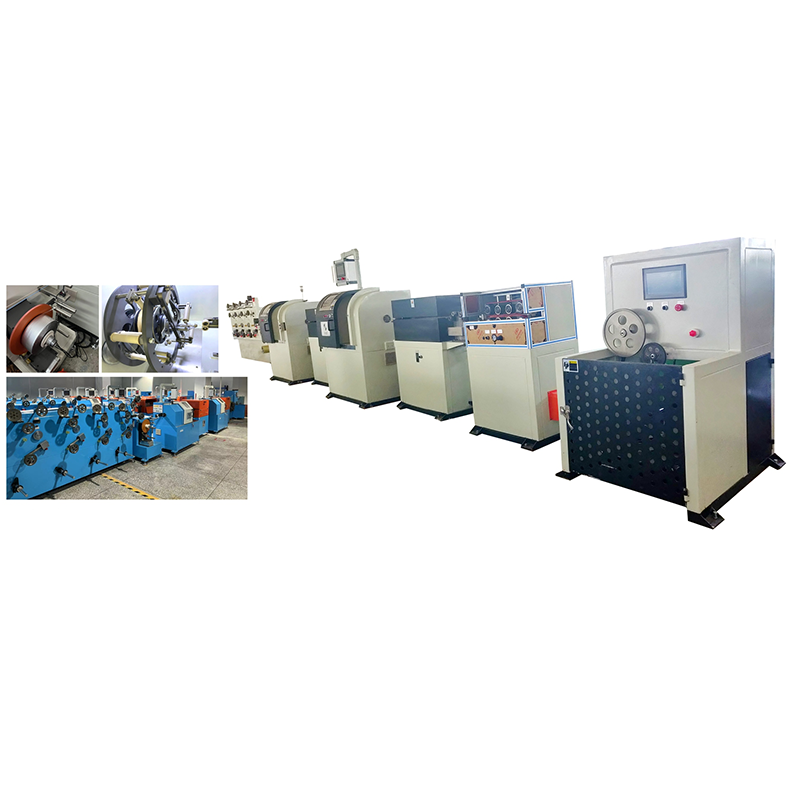
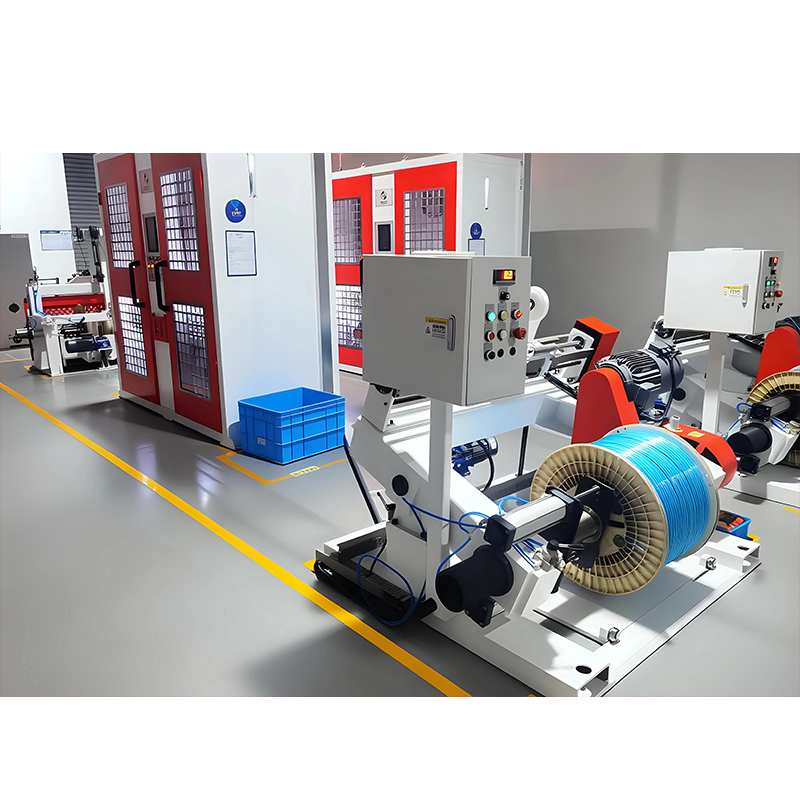
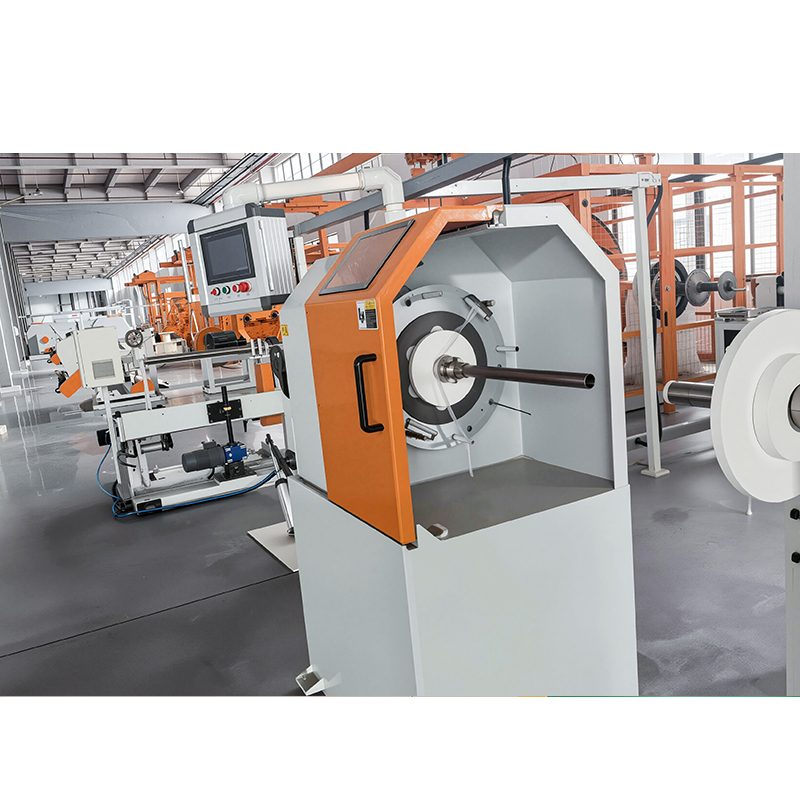
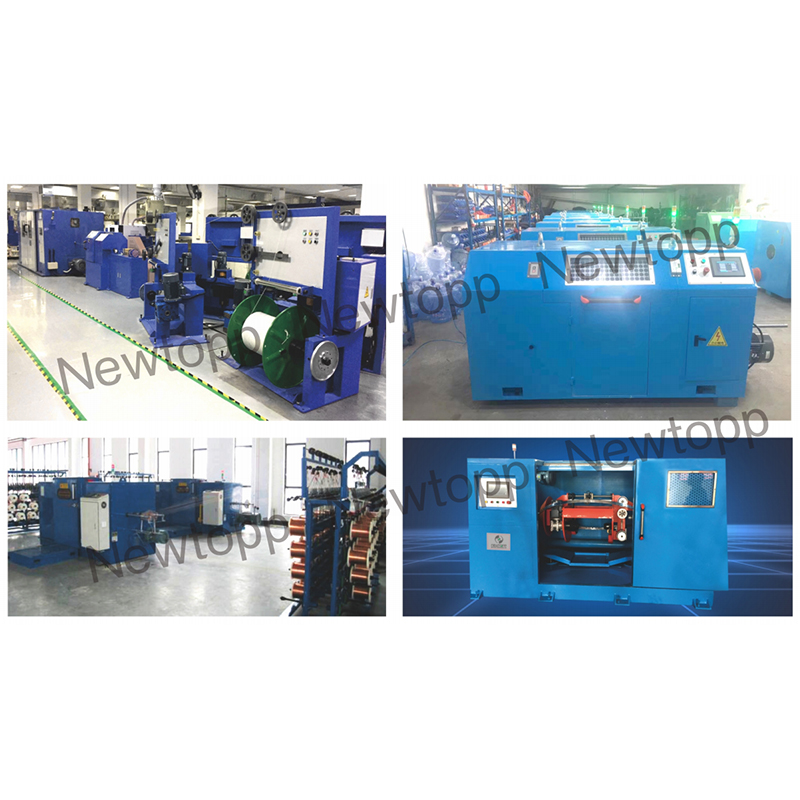
A Cable Stranding Machine is a critical piece of equipment in the cable manufacturing industry, responsible for combining multiple wires or strands into a single, cohesive cable. Its operation is central to producing high-quality electrical, telecommunications, and power cables with precise mechanical and electrical properties. The stranding process ensures uniformity, flexibility, and durability of cables, which are essential for modern applications ranging from household electronics to industrial power transmission.
Content
- 1 How a Cable Stranding Machine Works
- 2 Key Components of a Cable Stranding Machine
- 3 Advantages of Using a Cable Stranding Machine
- 4 Comparing Cable Stranding Machines
- 5 Applications of Cable Stranding Machines
- 6 Maintenance Tips for Optimal Performance
- 7 Frequently Asked Questions (FAQs)
- 7.1 Q1: Can a Cable Stranding Machine handle different wire diameters?
- 7.2 Q2: What is the difference between concentric and sector stranding?
- 7.3 Q3: How is tension controlled during the stranding process?
- 7.4 Q4: Can the machine produce multi-layered cables?
- 7.5 Q5: How does a Cable Stranding Machine improve production efficiency?
- 8 Conclusion
How a Cable Stranding Machine Works
The operation of a Cable Stranding Machine involves several synchronized steps designed to twist individual wires together in a controlled manner. The process can be broken down into the following key stages:
1. Wire Feeding
Individual wires or conductors are first fed into the machine through a series of tensioners. These tensioners maintain consistent wire tension to prevent deformation or breakage during stranding. Proper tension is crucial for maintaining cable integrity, especially in multi-strand or high-voltage applications.
2. Twisting and Stranding
The core function of the machine is to twist the wires around each other. Depending on the design, a Cable Stranding Machine can perform single-layer or multi-layer stranding. Common stranding configurations include:
- Concentric Stranding: Wires are wound around a central conductor to form a circular cross-section cable, typical for electrical power cables.
- Sector-Shaped Stranding: Wires are arranged in a non-circular pattern to optimize space and reduce electromagnetic interference, often used in communication cables.
- Rope Lay Stranding: Groups of strands are twisted together in a rope-like structure, providing enhanced mechanical strength for industrial or overhead cables.
3. Rotation Mechanisms
A Cable Stranding Machine employs precise rotation mechanisms to control the twist direction and pitch. The machine may use planetary gear systems, capstans, or revolving carriages to ensure consistent stranding. The choice of mechanism influences cable flexibility, tensile strength, and conductor alignment.
4. Layering and Cabling
For cables requiring multiple layers of stranded wires, the machine can add successive layers in alternating directions to balance mechanical forces. This multi-layer stranding prevents untwisting and improves performance under bending or torsional stress.
Key Components of a Cable Stranding Machine
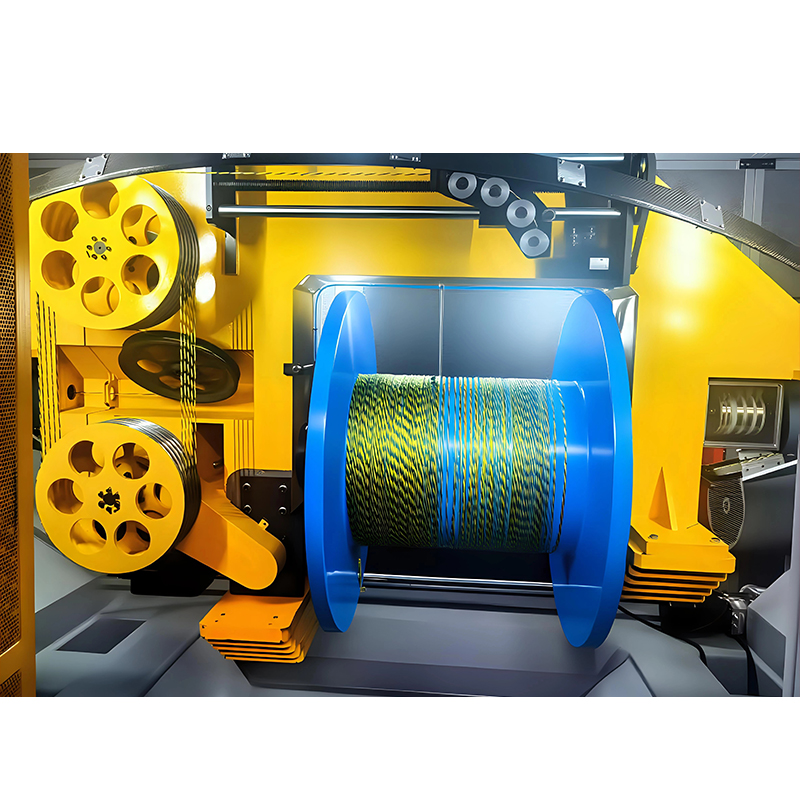
- Payoff Section: Holds and unwinds individual wires while controlling tension.
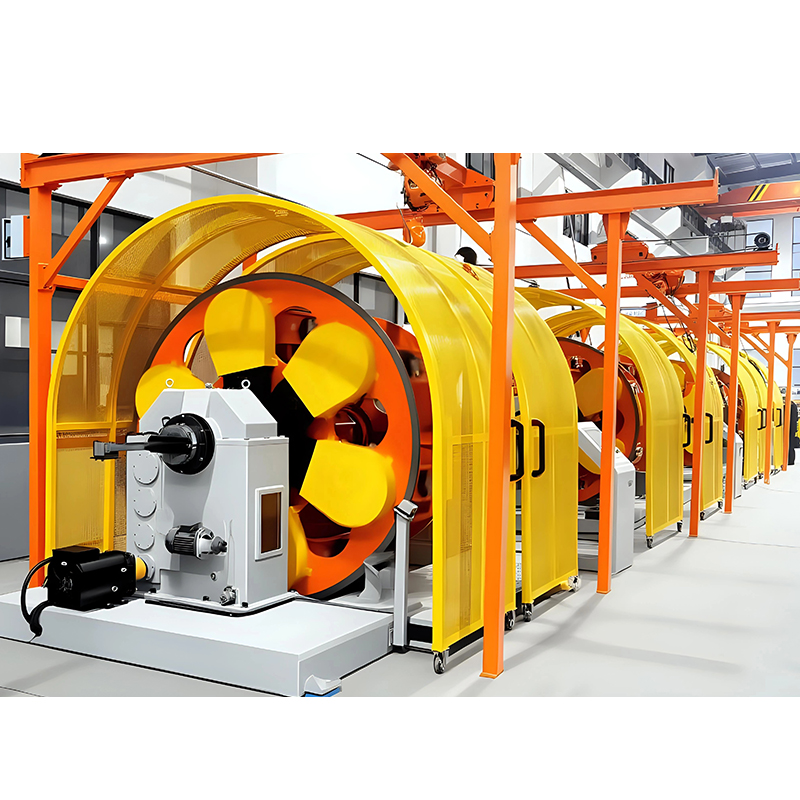
- Stranding Head: The central rotating mechanism where wires are twisted.
- Capstan or Pulling System: Draws the cable through the machine at a consistent speed.
- Control System: Regulates tension, rotation speed, and stranding direction for precise operation.
Advantages of Using a Cable Stranding Machine
- Uniformity: Ensures consistent twisting and conductor alignment, critical for electrical performance.
- Flexibility: Produces cables that can bend without breaking or losing conductivity.
- High Productivity: Automates a process that would be labor-intensive and inconsistent if done manually.
- Customization: Adjustable for different wire counts, diameters, and stranding patterns to meet diverse industry needs.
Comparing Cable Stranding Machines
There are several types of Cable Stranding Machines, each suited for different applications:
1. Linear Stranding Machines
Linear or tubular stranding machines use a straightforward twisting mechanism suitable for low to medium production volumes. They are simple to operate and ideal for standard power or control cables.
2. Planetary Stranding Machines
Planetary machines provide high-speed stranding for larger or more complex cables. Their design allows multiple layers of wires to twist simultaneously, improving production efficiency while maintaining quality.
3. Compact Stranding Machines
Compact machines are optimized for small-diameter cables and specialty applications like telecommunications. They save space and are highly energy-efficient, suitable for modern manufacturing environments.
Applications of Cable Stranding Machines
Cable stranding machines are used in a variety of sectors:
- Electrical power transmission cables
- Telecommunication and fiber optic cables
- Industrial machinery wiring
- Automotive wiring harnesses
- Overhead and submarine cables
Maintenance Tips for Optimal Performance
- Regularly lubricate moving parts to prevent wear.
- Check wire tension and alignment before each production run.
- Inspect the stranding head and gears for damage or misalignment.
- Keep the control system calibrated for precise speed and pitch adjustments.
Frequently Asked Questions (FAQs)
Q1: Can a Cable Stranding Machine handle different wire diameters?
Yes, most modern machines are adjustable and can accommodate a range of wire diameters, from thin telecommunications wires to thick power conductors.
Q2: What is the difference between concentric and sector stranding?
Concentric stranding produces circular cross-section cables, whereas sector stranding arranges wires in a non-circular pattern to optimize space or reduce electromagnetic interference.
Q3: How is tension controlled during the stranding process?
Tension is maintained through mechanical tensioners, electronic load cells, or brake systems to prevent wire deformation and ensure uniform twisting.
Q4: Can the machine produce multi-layered cables?
Yes, most advanced Cable Stranding Machines are designed to add multiple layers in alternating directions for balanced mechanical properties and improved durability.
Q5: How does a Cable Stranding Machine improve production efficiency?
Automation reduces manual labor, ensures consistent quality, and allows high-speed production of complex cables that would be difficult to make by hand.
Conclusion
The Cable Stranding Machine is a cornerstone of modern cable manufacturing. Its precise twisting mechanisms, tension control, and versatility in handling different wire types make it indispensable for producing high-quality, reliable cables. By understanding its operation, components, and types, manufacturers can optimize production, improve product performance, and meet the growing demands of electrical and communication industries worldwide.
-
Phone
+86 188 2296 5630 +86-(0)515-8510 8601Email
[email protected]
[email protected]
[email protected]
[email protected]
[email protected]
[email protected]Address
No. 168 Haitai Road, Dongtai City, Jiangsu Province, China
Copyright © 2025 Jiangsu NewTopp Precision Machinery Co., Ltd. All Rights Reserved. Wire & Cable Equipment Manufacturer
Robot Cable Production Ancillary Equipment Factory
