

 English
 русский
 Español

Industry News


What Are the Key Features of a Cable Stranding Machine?
2026-01-23
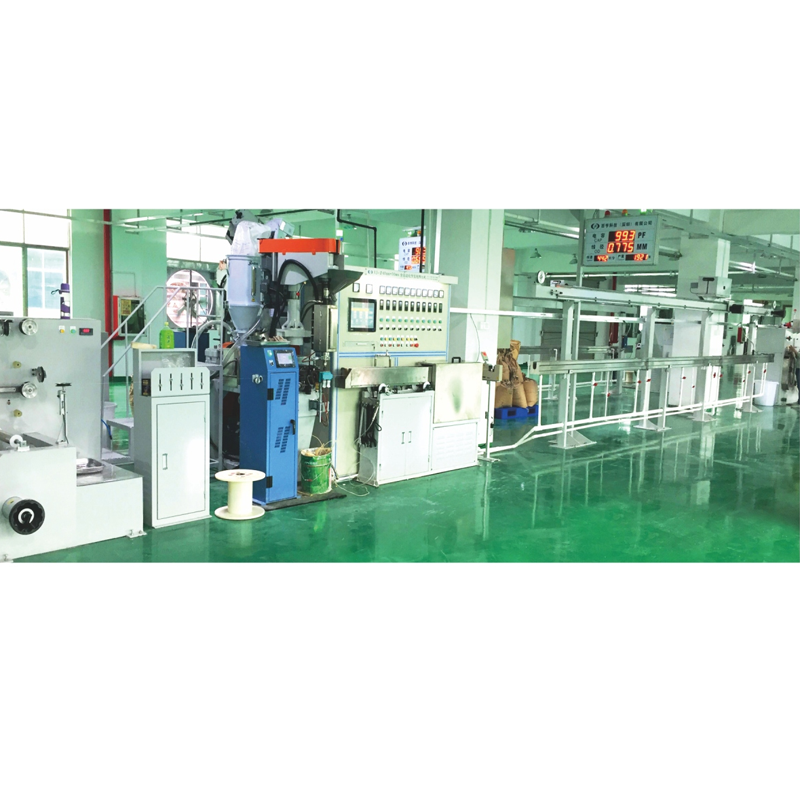
A cable stranding machine is a crucial piece of equipment in the manufacturing process of cables, used to twist wires together in a precise and efficient manner. This process, known as stranding, is essential for producing various types of cables, including electrical power cables, telecommunications cables, and special-purpose cables. The quality and efficiency of a cable stranding machine play a vital role in determining the overall performance and durability of the finished cable. Understanding the key features of these machines is essential for manufacturers, engineers, and businesses looking to optimize their cable production processes.
Content
What is a Cable Stranding Machine?
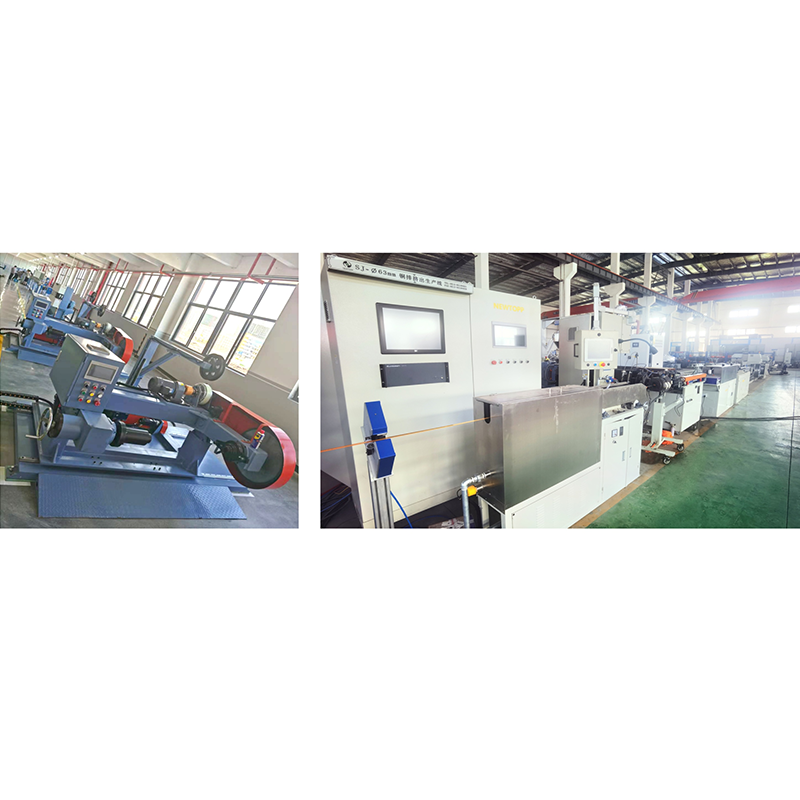
A cable stranding machine is a type of industrial equipment designed to twist multiple wires or strands of wire into a single, multi-conductor cable. This process is critical for ensuring that cables have the strength, flexibility, and electrical properties required for their intended applications. Cable stranding machines are commonly used in the production of power cables, communication cables, automotive cables, and more. The machine operates by rotating the wires in a specific pattern, which creates the desired configuration and lay length of the cable.
The performance of a cable stranding machine directly impacts the consistency, quality, and efficiency of the production process. Therefore, understanding the features that make a good cable stranding machine is crucial for businesses looking to enhance their manufacturing capabilities.
Key Features of a Cable Stranding Machine
1. Stranding Type and Configuration
The type and configuration of stranding are among the most important features of a cable stranding machine. Different types of stranding configurations are used based on the specific application and design requirements of the cable being produced. Common stranding types include:
- Concentric Stranding: This type of stranding involves arranging the wires in concentric layers, with each layer twisted in the opposite direction of the previous one. This method is commonly used for power cables and ensures high flexibility and durability.
- Helical Stranding: In helical stranding, the wires are twisted in a continuous spiral pattern. This method is often used for cables that require high flexibility and are subject to frequent bending, such as robotics cables or control cables.
- Zigzag Stranding: This configuration involves laying wires in a zigzag pattern, which is typically used in applications requiring minimal physical stress on the wires. It is commonly seen in cables used for communication and signal transmission.
- Spiral Stranding: In spiral stranding, the wires are twisted around a central core in a spiral configuration. This configuration is typically used for low-voltage power cables and other cables requiring high mechanical strength.
The specific stranding method chosen depends on the cable’s intended use, as different configurations offer varying degrees of flexibility, strength, and electrical properties.
2. Capstan System
The capstan system is an essential component of a cable stranding machine, as it controls the tension of the wires being stranded. The capstan consists of rotating drums or rollers that maintain the necessary tension to ensure uniform stranding and prevent wire breakage or deformation.
Key Features of the Capstan System:
- Adjustable Tension Control: A high-quality capstan system will allow for precise tension control, ensuring that the wires are pulled with the correct force. This is particularly important when working with different wire materials and diameters.
- Multi-Speed Operation: The capstan should be capable of adjusting its speed to accommodate different production requirements. Variable speed operation allows the machine to handle a variety of wire types and configurations efficiently.
- Durable Materials: The capstan should be made of wear-resistant materials to handle long production runs without deteriorating. Durable materials also ensure that the machine can withstand the stresses of continuous operation.
A reliable capstan system ensures that the wires are properly tensioned, which is essential for producing high-quality cables with consistent characteristics.
3. Pay-off and Take-up Units
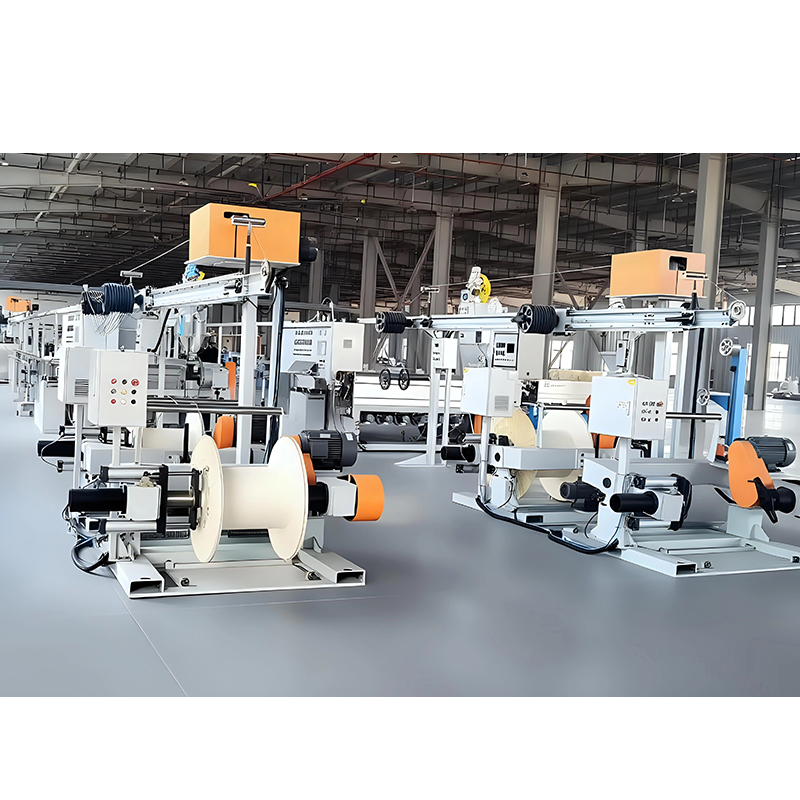
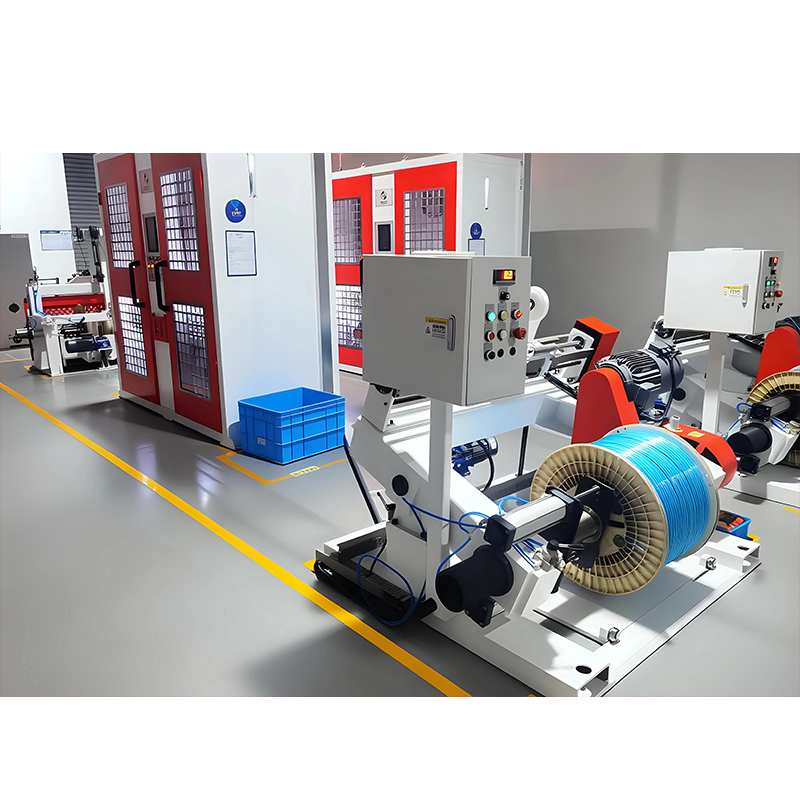
The pay-off and take-up units are integral to the functioning of a cable stranding machine. These units are responsible for feeding the wires into the machine (pay-off) and collecting the finished cable (take-up) after it has been stranded.
Key Features of Pay-off and Take-up Units:
- Automatic Tension Control: Both the pay-off and take-up units should feature automatic tension control to maintain consistent wire tension during the stranding process. This feature prevents wire slack or over-tensioning, which can affect the quality of the finished cable.
- High Capacity: The units should be able to handle large wire spools to ensure continuous production. This is particularly important for high-volume manufacturing processes.
- Spool Holding Mechanism: The pay-off unit should include a robust spool holding system that prevents the spools from wobbling or shifting during operation, ensuring smooth wire feeding.
Efficient pay-off and take-up units are essential for maintaining a steady production flow, minimizing downtime, and ensuring that the wires are fed into the machine smoothly and evenly.
4. Control System
The control system is the brain of the cable stranding machine, responsible for regulating the operation of all components. A sophisticated control system improves the overall efficiency of the machine and ensures that the production process remains consistent and precise.
Key Features of the Control System:
- Programmable Logic Controller (PLC): A PLC allows for the automation of various machine functions, including speed control, tension adjustment, and production monitoring. A programmable system helps reduce the need for manual intervention and increases production efficiency.
- Touchscreen Interface: A user-friendly touchscreen interface makes it easier to control and monitor the machine. It allows operators to input production parameters, view real-time data, and make adjustments on the fly.
- Real-Time Monitoring: The control system should offer real-time monitoring capabilities, allowing operators to detect any issues immediately and make adjustments to prevent defects in the final product.
A well-designed control system improves production efficiency, reduces operator errors, and ensures that the stranding process operates smoothly.
5. Speed and Efficiency
The speed at which a cable stranding machine operates is an important factor in determining its efficiency and overall productivity. High-speed stranding machines are capable of producing cables at a faster rate, which is essential for meeting high-demand production schedules.
Factors Affecting Speed and Efficiency:
- Motor Power: The motor power should be sufficient to drive the stranding machine at the required speed without sacrificing performance. A powerful motor ensures consistent output even during long production runs.
- Stranding Speed: The stranding speed should be adjustable to accommodate different types of wires and production needs. Faster stranding speeds increase productivity but may require additional quality control measures to ensure the cable’s integrity.
- Automation: Automation features, such as automatic wire feeding and tension control, help reduce operator intervention, improve consistency, and boost overall efficiency.
Optimizing speed and efficiency is essential for meeting production targets while maintaining high-quality standards.
Comparing Cable Stranding Machines
When choosing a cable stranding machine, it is important to compare different models and manufacturers based on key features. Here is a comparison of some important factors:
| Feature | Basic Model | Advanced Model |
|---|---|---|
| Stranding Type | Single configuration | Multiple configurations (Concentric, Helical, Zigzag) |
| Capstan System | Manual tension adjustment | Automatic tension control with variable speeds |
| Control System | Basic control panel | PLC with touchscreen interface and real-time monitoring |
| Production Speed | Moderate speed | High-speed operation for large-scale production |
Frequently Asked Questions (FAQs)
1. What is the maximum speed of a cable stranding machine?
The maximum speed of a cable stranding machine depends on the model and the type of wire being stranded. High-speed machines can operate at speeds of up to 1000 meters per minute, while slower models may operate at around 500 meters per minute.
2. Can a cable stranding machine be customized for different wire types?
Yes, many modern cable stranding machines offer customizable configurations to accommodate various wire types, including different diameters, materials, and stranding patterns. These machines can be adjusted to meet the specific requirements of the cable being produced.
3. How can I ensure the quality of the cables produced by the stranding machine?
To ensure the quality of the cables, it is important to maintain proper tension control, monitor production speeds, and regularly inspect the machine for wear and tear. Additionally, using high-quality wires and materials, as well as regularly calibrating the machine, can help improve the final product's quality.
Conclusion
A cable stranding machine is an essential piece of equipment in the production of high-quality cables. By understanding the key features of these machines, including stranding type, capstan system, pay-off and take-up units, control systems, and production speed, manufacturers can make informed decisions that improve production efficiency and cable quality. Investing in high-quality, efficient stranding machines is critical for staying competitive in the cable manufacturing industry.
-
Phone
+86 188 2296 5630 +86-(0)515-8510 8601Email
[email protected]
[email protected]
[email protected]
[email protected]
[email protected]
[email protected]Address
No. 168 Haitai Road, Dongtai City, Jiangsu Province, China
Copyright © 2025 Jiangsu NewTopp Precision Machinery Co., Ltd. All Rights Reserved. Wire & Cable Equipment Manufacturer
Robot Cable Production Ancillary Equipment Factory
