

 English
 русский
 Español

Industry News
Home / News / Industry News / How Does a Cable Stranding Machine Improve Wire Production Efficiency?
Home / News / Industry News / How Does a Cable Stranding Machine Improve Wire Production Efficiency?
NEWS


How Does a Cable Stranding Machine Improve Wire Production Efficiency?
2026-01-31
The modern wire and cable industry relies heavily on automation to meet growing demands for high-quality, high-speed production. A Cable Stranding Machine plays a crucial role in achieving these objectives, significantly enhancing productivity, consistency, and efficiency. Understanding how this equipment impacts the manufacturing process is essential for wire producers seeking to optimize operations and reduce costs.
Content
- 1 What is a Cable Stranding Machine?
- 2 How a Cable Stranding Machine Enhances Production Efficiency
- 3 Comparing Cable Stranding Machines with Manual Stranding
- 4 Applications of Cable Stranding Machines
- 5 Factors to Consider When Choosing a Cable Stranding Machine
- 6 Common Challenges and Solutions
- 7 Advantages of Modern Cable Stranding Machines
- 8 Frequently Asked Questions (FAQ)
- 8.1 Q1: Can a Cable Stranding Machine handle multiple conductor sizes simultaneously?
- 8.2 Q2: How does automation impact energy consumption?
- 8.3 Q3: What maintenance is required for optimal performance?
- 8.4 Q4: Are Cable Stranding Machines suitable for small-scale production?
- 8.5 Q5: How does stranding affect cable performance?
- 9 Conclusion
What is a Cable Stranding Machine?
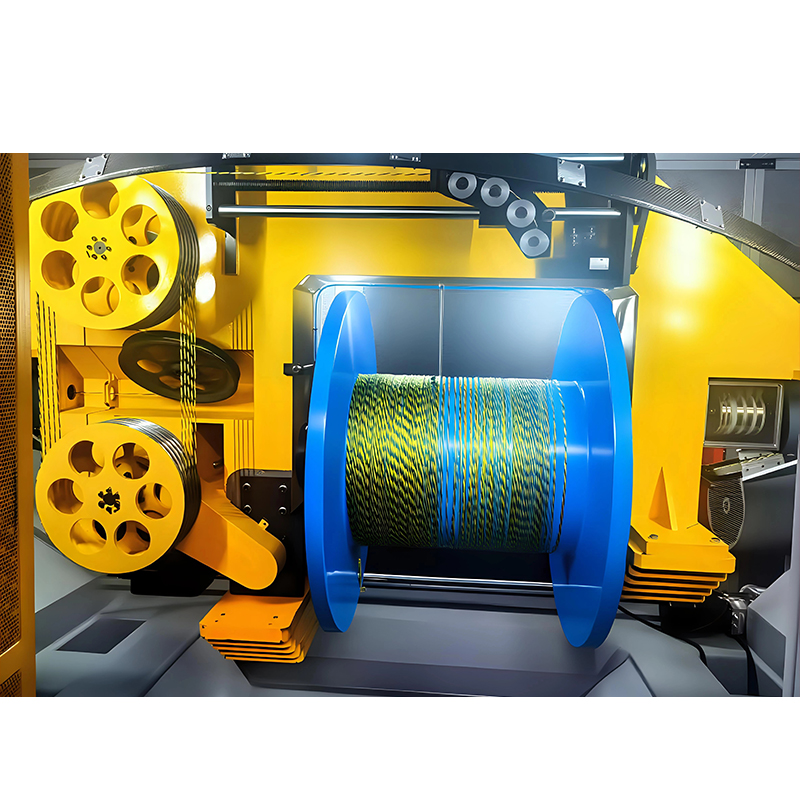
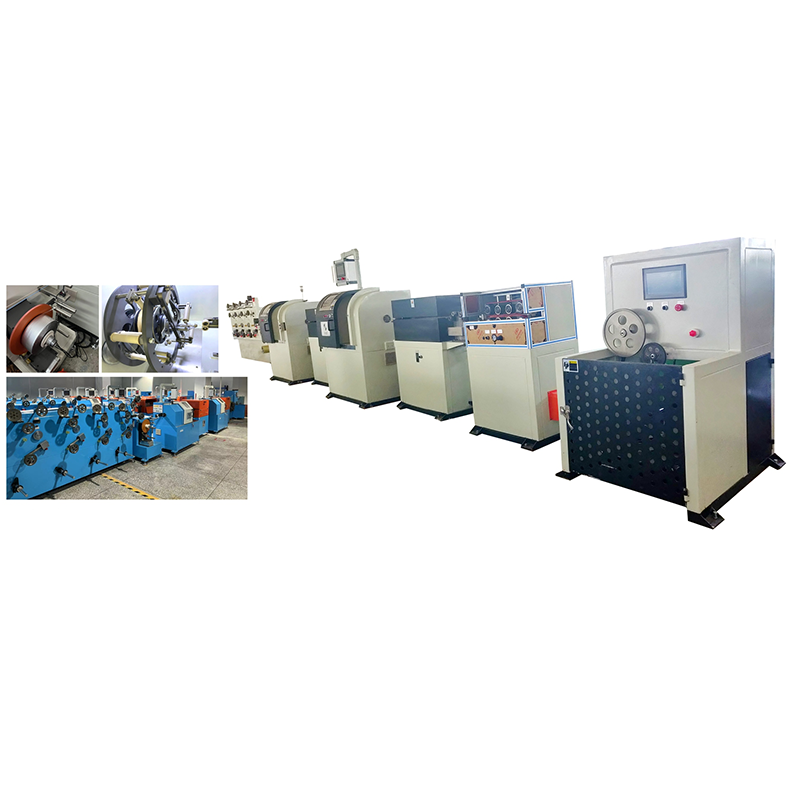
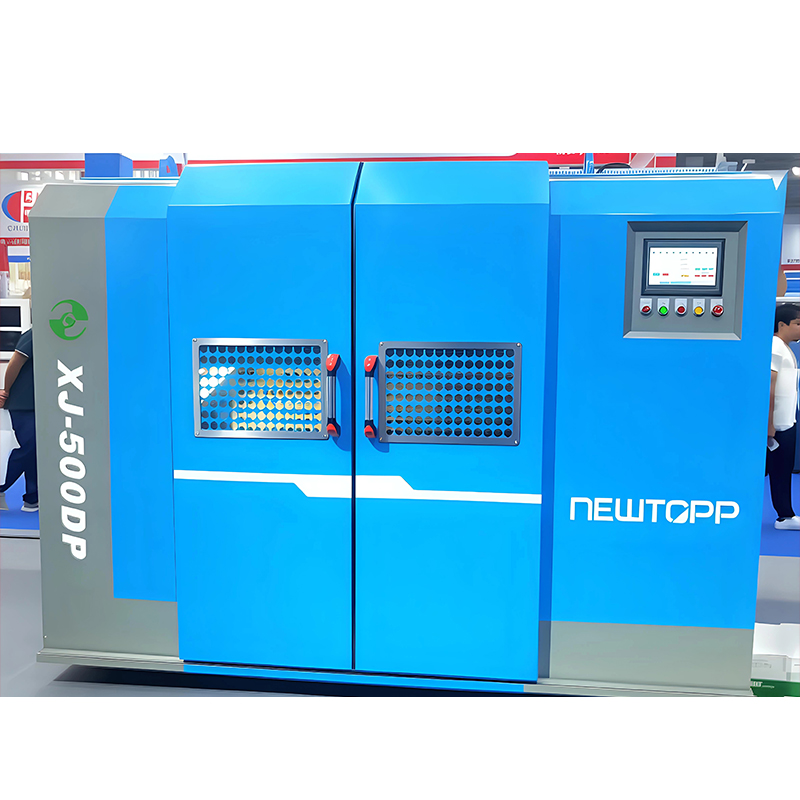
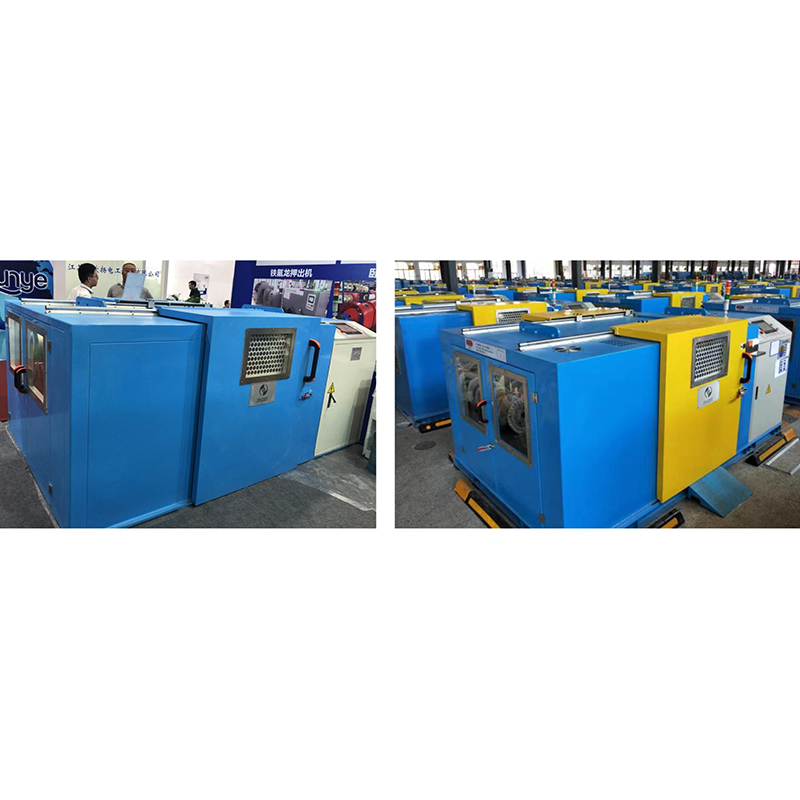
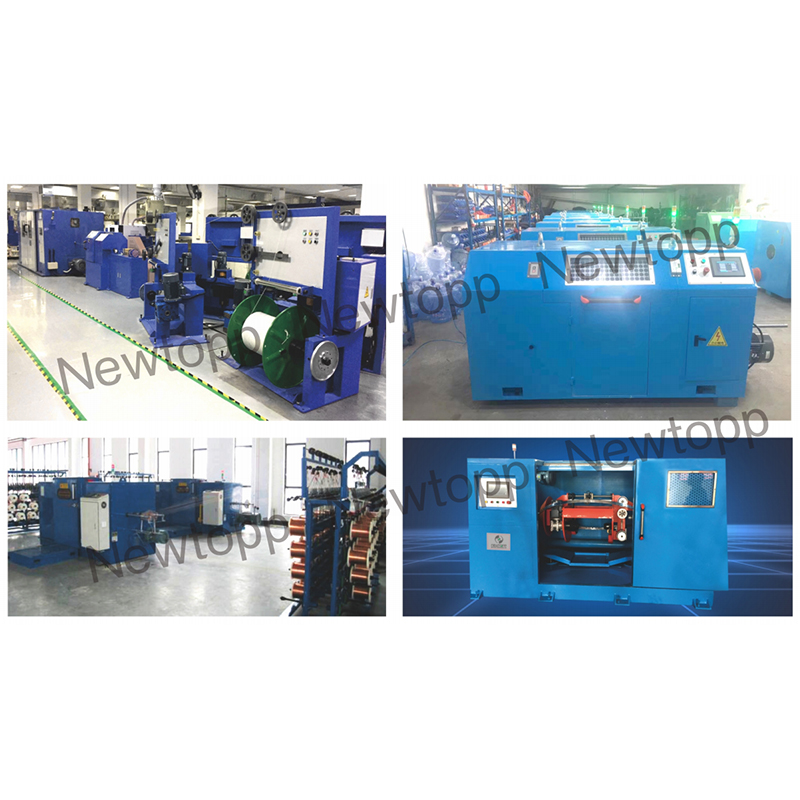
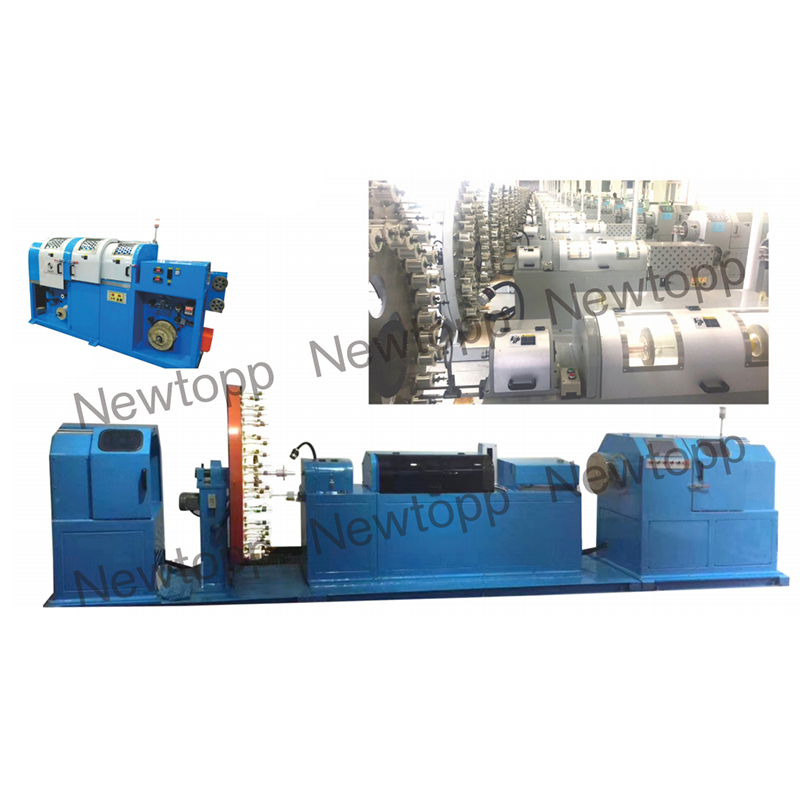
A Cable Stranding Machine is a mechanical device used to twist multiple wires or conductors together to form a cable. Stranding improves the flexibility, durability, and electrical performance of the finished cable. The machine can handle various conductor types, including copper, aluminum, and other alloys, and can produce cables for industrial, commercial, and consumer applications.
Core Components of a Cable Stranding Machine
- Pay-off Stand: Holds and feeds the wires to the stranding system.
- Stranding Head: Twists the wires together with precise control of tension and pitch.
- Take-up System: Collects the finished cable in coils or drums.
- Control System: Manages machine speed, tension, and stranding pattern for consistency.
- Tension Devices: Ensure uniform stranding without wire breakage or deformation.
How a Cable Stranding Machine Enhances Production Efficiency
Integrating a Cable Stranding Machine into a wire manufacturing line improves efficiency in multiple ways:
1. Higher Production Speed
Automated stranding allows cables to be twisted at speeds far beyond manual capabilities. Typical production speeds range from 50 to 150 meters per minute, depending on the conductor size and machine type. Faster stranding directly reduces the production cycle, allowing more cables to be produced in the same timeframe.
2. Consistent Cable Quality
Manual stranding is prone to human error, leading to uneven twists, inconsistent tension, and potential cable defects. A Cable Stranding Machine ensures uniform pitch and tension, resulting in cables with:
- Stable electrical performance
- Improved mechanical strength
- Enhanced flexibility for installation
3. Reduced Labor Costs
By automating the stranding process, manufacturers can reduce the need for manual operators. One operator can oversee multiple machines, freeing labor for other tasks such as inspection, packaging, and maintenance.
4. Flexible Production Capabilities
Modern Cable Stranding Machines are highly configurable. They can:
- Produce different stranding patterns (e.g., concentric, bunch, or rope type)
- Handle multiple conductor materials and sizes
- Adjust twist direction and pitch on-the-fly
This flexibility allows manufacturers to quickly switch between product types without major downtime.
Comparing Cable Stranding Machines with Manual Stranding
| Feature | Manual Stranding | Cable Stranding Machine |
| Production Speed | 10–30 m/min | 50–150 m/min |
| Twist Consistency | Variable, prone to errors | Uniform and precise |
| Labor Requirement | High, multiple operators | Low, one operator per multiple machines |
| Flexibility | Limited | High, adjustable patterns and materials |
Applications of Cable Stranding Machines
Cable Stranding Machines are essential in various industries, including:
- Electrical Power Transmission: Manufacturing power cables and busbars.
- Telecommunications: Producing fiber optic and copper communication cables.
- Automotive: Manufacturing wiring harnesses and control cables.
- Industrial Machinery: Producing control cables, flexible conductors, and armored cables.
Factors to Consider When Choosing a Cable Stranding Machine
- Conductor Type: Copper, aluminum, or specialty alloys.
- Stranding Pattern: Concentric, bunch, rope, or composite cable.
- Production Speed: Machine speed vs. required output.
- Automation Level: Manual, semi-automatic, or fully automatic.
- Maintenance Requirements: Ease of cleaning, lubrication, and part replacement.
Common Challenges and Solutions
Wire Breakage During Stranding
Excessive tension or improper feed can cause conductor breakage. Solution: Ensure proper tension control devices are calibrated and wire guides are aligned correctly.
Inconsistent Twist Pitch
Variations in machine speed or misaligned stranding heads may lead to uneven twist. Solution: Use automated control systems with feedback loops to maintain uniformity.
Downtime During Product Changeover
Switching between different conductor sizes or patterns can require significant setup time. Solution: Select machines with adjustable stranding heads and quick-change tooling to minimize downtime.
Advantages of Modern Cable Stranding Machines
- Enhanced production speed and throughput.
- Improved cable quality and consistency.
- Reduced labor costs and human error.
- Ability to produce complex cable configurations.
- Scalability for small or large-scale production.
Frequently Asked Questions (FAQ)
Q1: Can a Cable Stranding Machine handle multiple conductor sizes simultaneously?
Yes, many modern machines allow adjustable tension and stranding heads to handle different conductor diameters in the same machine, although setup adjustments may be required.
Q2: How does automation impact energy consumption?
Automated machines are generally more energy-efficient than manual operations due to optimized speed control, reduced idle time, and consistent tension management.
Q3: What maintenance is required for optimal performance?
Regular lubrication, cleaning, and inspection of the stranding head, tension devices, and control systems are essential. Preventive maintenance schedules improve machine lifespan and reduce downtime.
Q4: Are Cable Stranding Machines suitable for small-scale production?
Yes, small or benchtop versions of stranding machines are available for low-volume production or R&D purposes, offering flexibility without significant capital investment.
Q5: How does stranding affect cable performance?
Properly stranded cables have improved mechanical flexibility, reduced risk of conductor breakage, and enhanced electrical properties, making them more reliable for installation and long-term use.
Conclusion
A Cable Stranding Machine is a critical investment for wire and cable manufacturers aiming to improve efficiency, quality, and consistency. By automating the twisting process, manufacturers can achieve higher production speeds, reduce labor costs, and produce cables that meet strict industry standards. Whether for power transmission, telecommunications, automotive, or industrial applications, a cable stranding machine ensures that operations remain competitive in an increasingly demanding market.
-
Phone
+86 188 2296 5630 +86-(0)515-8510 8601Email
[email protected]
[email protected]
[email protected]
[email protected]
[email protected]
[email protected]Address
No. 168 Haitai Road, Dongtai City, Jiangsu Province, China
Copyright © 2025 Jiangsu NewTopp Precision Machinery Co., Ltd. All Rights Reserved. Wire & Cable Equipment Manufacturer
Robot Cable Production Ancillary Equipment Factory
