

 English
 русский
 Español

Industry News
Home / News / Industry News / What is a Cable Stranding Machine?Comprehensive Guide to Cable Stranding Machine
Home / News / Industry News / What is a Cable Stranding Machine?Comprehensive Guide to Cable Stranding Machine
NEWS


What is a Cable Stranding Machine?Comprehensive Guide to Cable Stranding Machine
2025-12-18
Content
- 1 What is a Cable Stranding Machine?
- 2 How Does a Cable Stranding Machine Work?
- 3 Main Types of Cable Stranding Machines
- 4 Key Technical Specifications of Cable Stranding Machines
- 5 Difference Between Single-Strand and Multi-Strand Cable Stranding Machines
- 6 How to Choose a Cable Stranding Machine According to Cable Size
- 7 Industries Commonly Using Cable Stranding Machines
- 8 Types of Cables Produced by Cable Stranding Machines
- 9 Safe Operation of Cable Stranding Machines
- 10 Difference Between Cable Stranding Machine and Twisting Machine
- 11 Difference Between Wire Stranding Machine and Cable Stranding Machine
- 12 Frequently Asked Questions (FAQ)
- 13 Maintenance and Care Guide
- 14 Industry Case Studies and Applications
What is a Cable Stranding Machine?
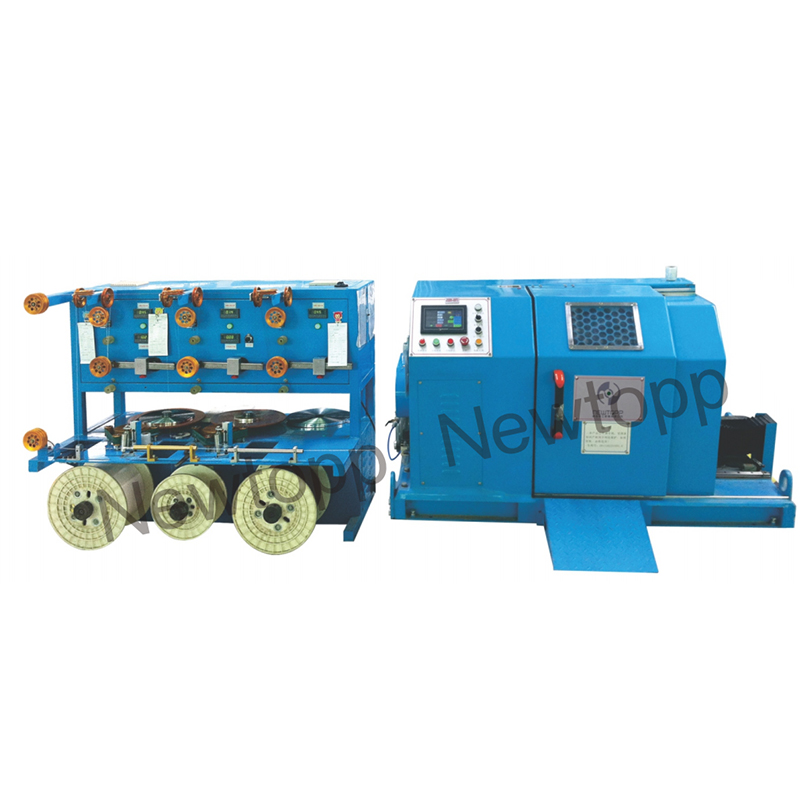
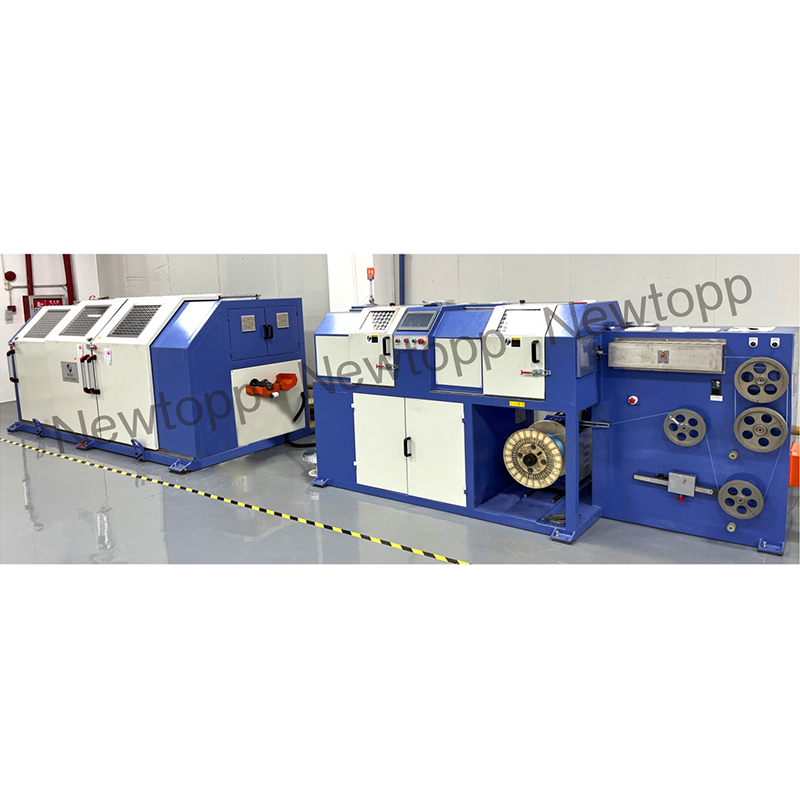
A Cable Stranding Machine is a critical piece of equipment used in wire and cable manufacturing. Its main function is to twist single wires into multi-strand cable cores according to specific patterns. This process enhances the mechanical strength, flexibility, and electrical conductivity of the cable. Cable Stranding Machines play a key role in the production of high-quality power cables, communication cables, and automotive wiring harnesses.
Traditionally, manual stranding was inefficient and lacked precision. Cable Stranding Machines achieve high-speed, high-precision stranding through mechanization and automation. Modern machines are equipped with PLC control systems, tension sensors, automatic take-up units, and safety protections, capable of handling various wire materials and cable specifications.
Core benefits of Cable Stranding Machines include:
- Ensuring uniform stranded cores, reducing the risk of electrical faults
- Supporting multi-strand and multi-layer cable structures for industrial-scale production
- Increasing production efficiency and reducing labor costs
- Extending wire lifespan and reducing material waste through tension and speed control
How Does a Cable Stranding Machine Work?
The core principle of a Cable Stranding Machine is twisting multiple wires under controlled tension to form the desired cable core structure. While specific models vary, the basic process includes:
- Wire Feeding: Single wires are fed from a pay-off stand into the stranding machine. The pay-off stand includes tension adjustment to prevent slack or breakage.
- Tension Control: The tension system monitors wire tension via springs, hydraulics, or electronic sensors to ensure uniform stranding. Excessive tension may break wires, while too little tension affects quality.
- Rotational Stranding: The stranding head rotates wires according to preset strand count and pitch. Planetary stranding machines use combined rotation and planetary motion for multi-layer uniform stranding.
- Take-Up and Organizing: Stranded wires are wound onto finished reels and organized to maintain uniformity, preparing for insulation or jacketing.
Stranding Parameters and Cable Performance
The following parameters directly affect cable quality:
- Pitch: Number of twists per meter affects flexibility and mechanical strength. Too short may cause tight cables and breakage, too long may cause loose wires.
- Strand Count: Determines cross-section uniformity and conductivity. More strands improve flexibility but increase complexity.
- Tension: Ensures even wire stress and prevents breakage or deformation.
- Rotation Speed: Impacts production efficiency and quality. High-speed production requires synchronized tension and twisting.
Main Types of Cable Stranding Machines
Cable Stranding Machines can be categorized by structure, function, and application:
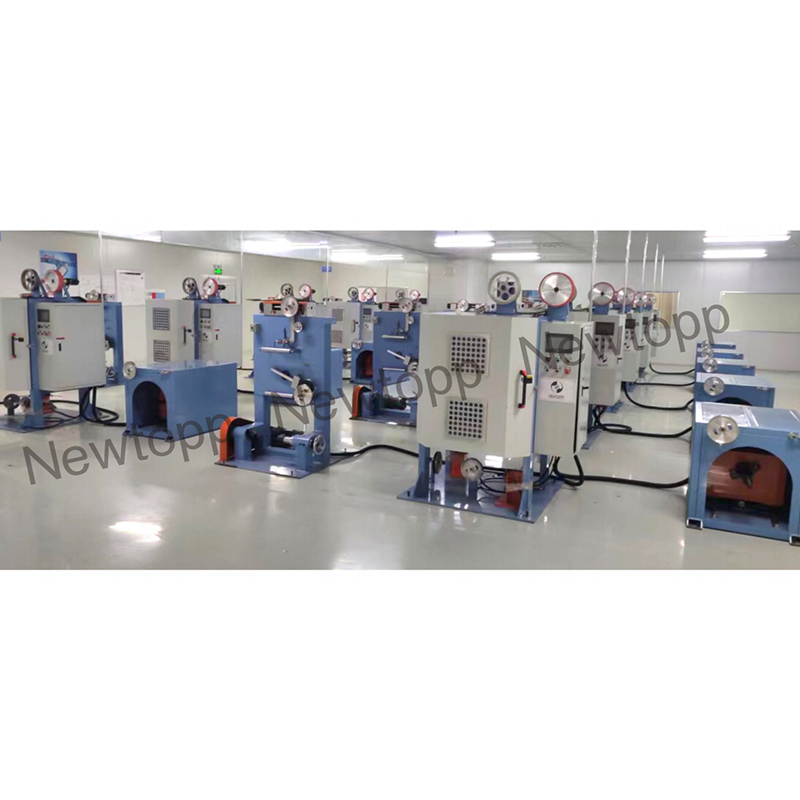
- Single-Strand Stranding Machine: For single or double-strand cables, simple structure, suitable for low-voltage or fine wires.
- Multi-Strand Stranding Machine: Can strand multiple wires simultaneously, supports multi-layer structures, suitable for industrial and high-voltage cables.
- Planetary Stranding Machine: Uses planetary motion for uniform stranding, ideal for large-diameter multi-layer cables.
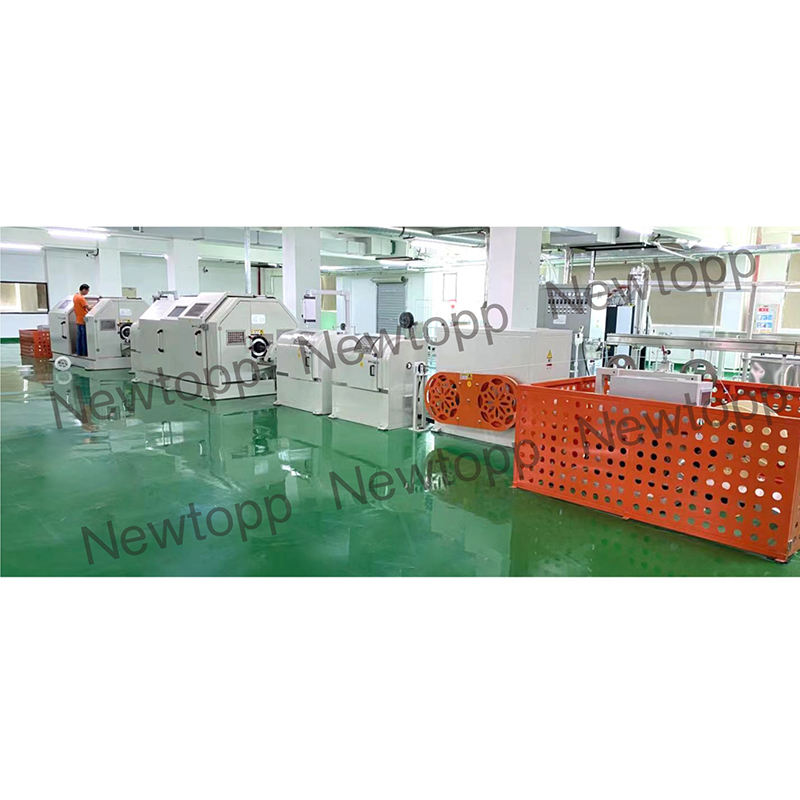
- Continuous Stranding Machine: Suitable for high-speed continuous production, often integrated with extrusion and take-up systems.
- Constant Tension Stranding Machine: Automatic tension adjustment ensures precise stranding, widely used in high-precision and high-voltage cable production.
- Flexible Cable Stranding Machine: Designed for flexible cables, producing multi-strand flexible wires for robotics and drag-chain applications.
Stranding Method Classification
Cable Stranding Machines can also be classified by stranding method:
- Simple Stranding: Wires twist in a single direction, suitable for single-layer cores.
- Reverse Lay Stranding: Layers twist in opposite directions, reducing torque and increasing flexibility, suitable for multi-strand cables.
- Planetary Stranding: Stranding head and wires rotate simultaneously, forming multi-layer composite structures for large-diameter high-voltage cables.
Key Technical Specifications of Cable Stranding Machines
Technical specifications determine performance and applicability:
| Specification | Description |
|---|---|
| Strand Count | Single, multi-strand, multi-layer; typically 2-61 strands or more |
| Pitch Range | 50-500mm, adjustable for flexibility requirements |
| Wire Diameter Range | 0.1mm to 50mm or larger, depending on model |
| Production Speed | 10-500 meters/min, adjustable |
| Motor Power | 1.5kW to 50kW, supporting various production loads |
| Control System | PLC or touchscreen, supporting parameter storage, automatic adjustment, remote monitoring |
| Tension Range | Adjustable according to wire material and diameter to ensure uniform stranding |
| Take-Up Method | Reel winding, conical winding, or automatic organizing winding for uniform cables |
Difference Between Single-Strand and Multi-Strand Cable Stranding Machines
The main differences lie in stranding capacity, structure complexity, and application:
- Single-Strand Cable Stranding Machine:
- Strands single or double wires
- Simple structure, small footprint, easy maintenance
- Suitable for low-voltage cables, signal wires, and small-diameter wires
- Low operating cost, suitable for small-batch production
- Multi-Strand Cable Stranding Machine:
- Can strand multiple wires and layers simultaneously
- Complex structure, high precision, suitable for industrial and high-voltage cables
- Supports planetary or reverse lay stranding, improving flexibility and uniformity
- Suitable for large-batch continuous production
How to Choose a Cable Stranding Machine According to Cable Size
When selecting a Cable Stranding Machine, the cable’s diameter, strand count, layer structure, and material type are crucial factors:
- Small-diameter single or double-strand cables: A single-strand Cable Stranding Machine is suitable. It has a simple structure, moderate production speed, ideal for telephone wires, signal cables, and household appliance wires.
- Medium-diameter multi-strand cables: A multi-strand Cable Stranding Machine is preferred to ensure uniformity and flexibility. Suitable for control cables and industrial cables.
- Large-diameter high-voltage cables: Planetary or continuous stranding machines are recommended. They can handle multi-layer stranding and ensure mechanical strength and electrical performance, ideal for high-voltage power cables.
Additionally, consider production volume, speed, and automation level to maximize investment efficiency.
Industries Commonly Using Cable Stranding Machines
Cable Stranding Machines are widely used across various industries, including:
- Power Industry: Producing low-voltage cables, high-voltage cables, and overhead conductors.
- Telecommunication: Producing fiber optic cables, telephone wires, network cables, and data transmission cables.
- Automotive Manufacturing: Producing automotive cables, sensor wires, ignition wires, and power lines.
- Home Appliances: Producing power cords, plug wires, and flexible wires.
- Industrial Equipment: Producing industrial control cables, robot cables, drag-chain cables, and instrumentation cables.
- Construction: Producing building cables, lighting cables, and fire-resistant cables.
Types of Cables Produced by Cable Stranding Machines
Cable Stranding Machines can produce almost all types of stranded cables, including:
- Single and multi-strand copper cables
- Aluminum cables and copper-aluminum composite wires
- Control cables, signal cables, and communication cables
- High-voltage and low-voltage power cables
- Flexible cables, drag-chain cables, and robot cables
- Specialty cables, such as heat-resistant and corrosion-resistant cables
By adjusting strand count, pitch, and layer structure, Cable Stranding Machines can flexibly meet different structural and application requirements.
Safe Operation of Cable Stranding Machines
Safe operation is essential for production continuity and machine longevity:
- Check machine condition and grounding before operation; ensure emergency stop functions properly
- Wear protective gloves, safety glasses, and anti-static clothing
- Follow operating procedures for wire loading, tension adjustment, and setting stranding parameters
- Keep the workspace clean to prevent wire entanglement or slipping
- Regularly inspect and maintain key components such as bearings, gears, tension devices, and take-up units
- Immediately stop the machine if abnormal noise, vibration, or wire breakage occurs
- Provide periodic training to improve operator safety awareness and skill
Safety Precautions
- Do not reach into the machine while it is running
- Avoid using damaged wires or pay-off stands to prevent breakage
- Regularly clean lubricants to prevent slips or contamination
- Check electrical systems for potential leakage or loose wiring
Difference Between Cable Stranding Machine and Twisting Machine
Although both involve twisting, their applications and precision requirements differ:
- Cable Stranding Machine: Designed for wire and cable core stranding, capable of multi-strand and multi-layer cables, emphasizing tension control and precision. Suitable for industrial, high-voltage, and multi-specification cables.
- Twisting Machine: Typically used for simpler twisting operations such as ropes, yarns, and metal wires. Structure is simpler, precision is lower, mainly for non-cable products or auxiliary manufacturing.
Difference Between Wire Stranding Machine and Cable Stranding Machine
The main difference lies in application and stranding capacity:
- Wire Stranding Machine: Used for fine wires or single-strand wires in electronics and electrical applications, such as electronic component wires, fine copper wires, and control wires.
- Cable Stranding Machine: Used for multi-strand and multi-layer cable cores, targeting industrial, communication, and high-voltage cables. Complex structure, high precision, supports large-diameter and continuous production.
Frequently Asked Questions (FAQ)
- Q: What wire materials can a Cable Stranding Machine handle?
A: Mainly copper, aluminum, copper-aluminum composites, tinned wires, and some special alloys. - Q: How to adjust pitch for optimal flexibility?
A: Adjust according to application and strand count. Flexible cables prefer shorter pitch, while multi-strand high-voltage cables may use longer pitch for better mechanical properties. - Q: How often should the machine be maintained?
A: Routine maintenance weekly, lubrication monthly, professional inspection every six months, depending on usage and production load. - Q: Is the Cable Stranding Machine suitable for mass production?
A: Absolutely. Multi-strand and continuous stranding machines support high-speed, long-duration production efficiently. - Q: How to ensure uniform stranding?
A: Through precise tension control, synchronized rotation, optimized layer structure, and planetary stranding technology. - Q: Can it be integrated with an extrusion line?
A: Yes, typical cable production lines integrate stranding, extrusion, and take-up units for automated production. - Q: Does twisting speed affect cable quality?
A: Yes. Excessive speed can cause wire slack or breakage, while too slow reduces efficiency. Adjust based on wire diameter, strand count, and layers. - Q: Is the machine difficult to operate?
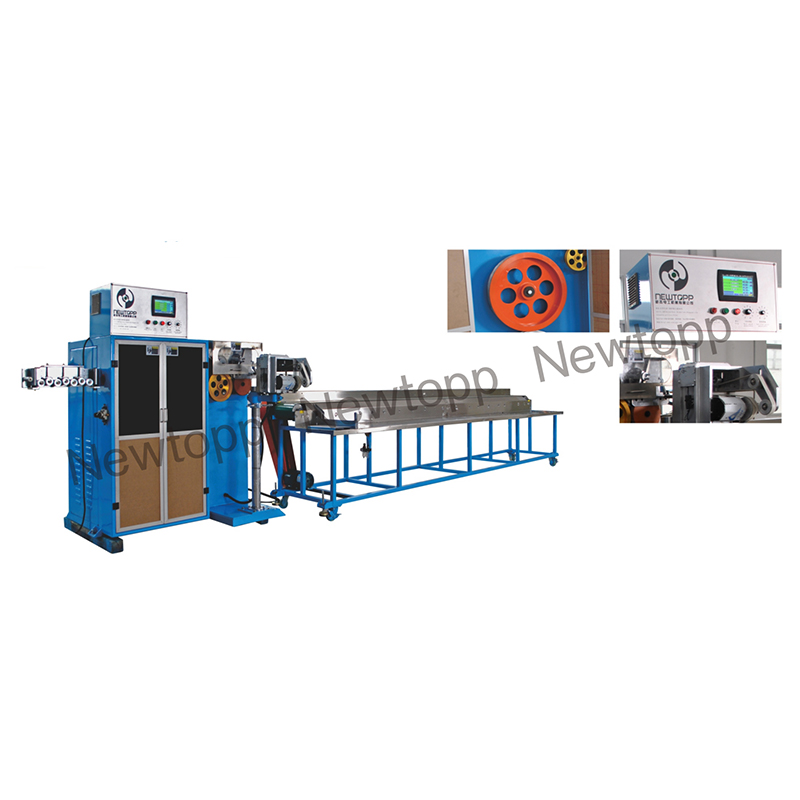
A: Modern Cable Stranding Machines with touchscreen PLC control are user-friendly but still require professional training.
Maintenance and Care Guide
To ensure long-term stable operation, maintenance is critical:
- Regularly clean the machine to remove dust and wire residues
- Lubricate key components such as bearings, gears, and rollers
- Check tension systems and sensors for proper function
- Calibrate pitch and speed control systems periodically
- Inspect electrical systems and PLC controllers to prevent aging or loose connections
- Replace worn or aged parts to ensure production safety
Industry Case Studies and Applications
Typical industry applications include:
- Power Cable Production: Multi-strand Cable Stranding Machines produce high-voltage cables with multi-layer stranding for mechanical strength and electrical performance.
- Communication Cable Production: Single or multi-strand stranding machines produce fiber optic protective lines and data cables, ensuring uniform stranding to reduce signal interference.
- Automotive Wiring Harness Production: Flexible cable stranding machines produce automotive control wiring harnesses with enhanced flexibility and durability.
- Industrial Control Cable Production: Constant tension stranding machines ensure uniformity and precision in multi-strand industrial control cables during continuous production.
-
Phone
+86 188 2296 5630 +86-(0)515-8510 8601Email
[email protected]
[email protected]
[email protected]
[email protected]
[email protected]
[email protected]Address
No. 168 Haitai Road, Dongtai City, Jiangsu Province, China
Copyright © 2025 Jiangsu NewTopp Precision Machinery Co., Ltd. All Rights Reserved. Wire & Cable Equipment Manufacturer
Robot Cable Production Ancillary Equipment Factory
