

 English
 русский
 Español

Industry News


What is the Core Process of a Teflon Wire Extruder?
2025-03-03
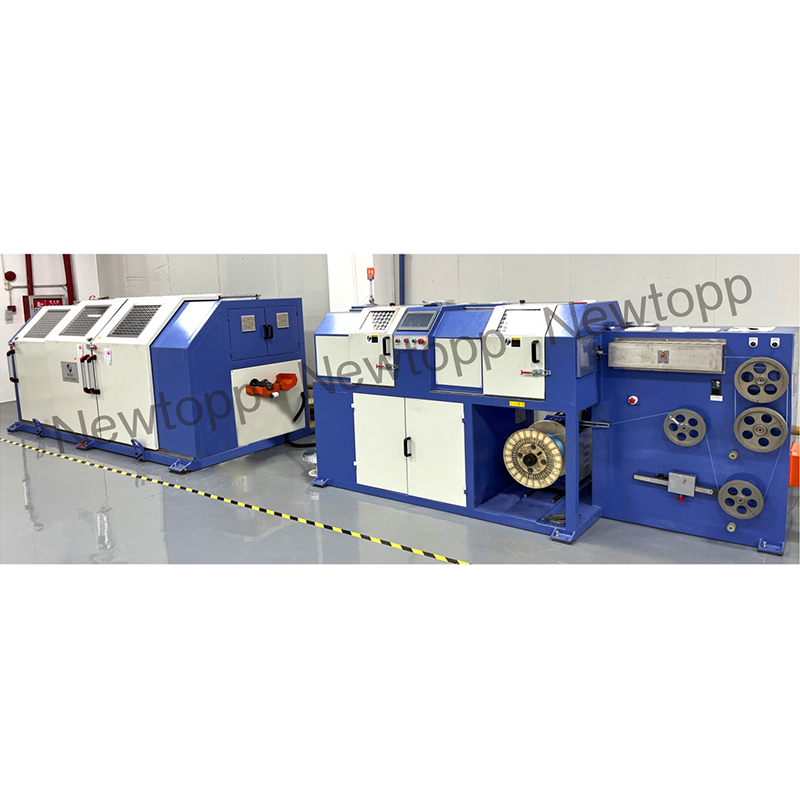
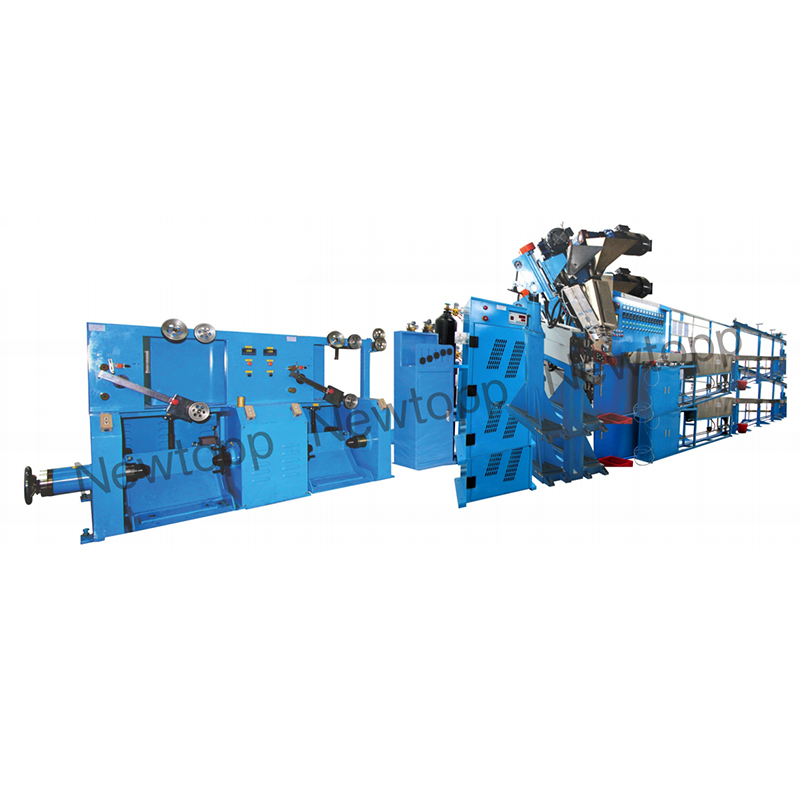
The core process for a Teflon wire extruder involves paste/powder extrusion, which consists of mixing the Teflon resin with a lubricant and preforming it into a slug. This preform is then pushed through a die and over a wire, after which the coated wire goes through heating ovens to evaporate the lubricant (drying) and then to sinter (fuse) the Teflon coating, followed by cooling, winding, and take-up.
1. Preparation
· Sieving: Teflon powder is sieved to ensure uniform particle size.
· Mixing: The powder is mixed with a liquid lubricant, such as naphtha, to form a paste.
· Preforming: The paste is compressed into a cylindrical preform or slug under light pressure.
2. Extrusion and Drying
· Extrusion: The preform is placed in the extruder cylinder and pushed through a die with a wire running through the center. This extrudes the Teflon over the wire as it is coated. The newly coated wire is sometimes called "green" and is susceptible to deformation.
· Drying: The "green" wire passes through a low-temperature oven to evaporate the liquid lubricant.
3. Sintering and Cooling
· Sintering:
The wire is then heated in a second, high-temperature oven to a temperature between 350 and 750°C. This fuses the polymer particles into a solid, continuous coating.
· Cooling: After sintering, the wire is cooled, often with a water bath, to solidify the insulation and set its dimensions.
4. Finishing and Take-up
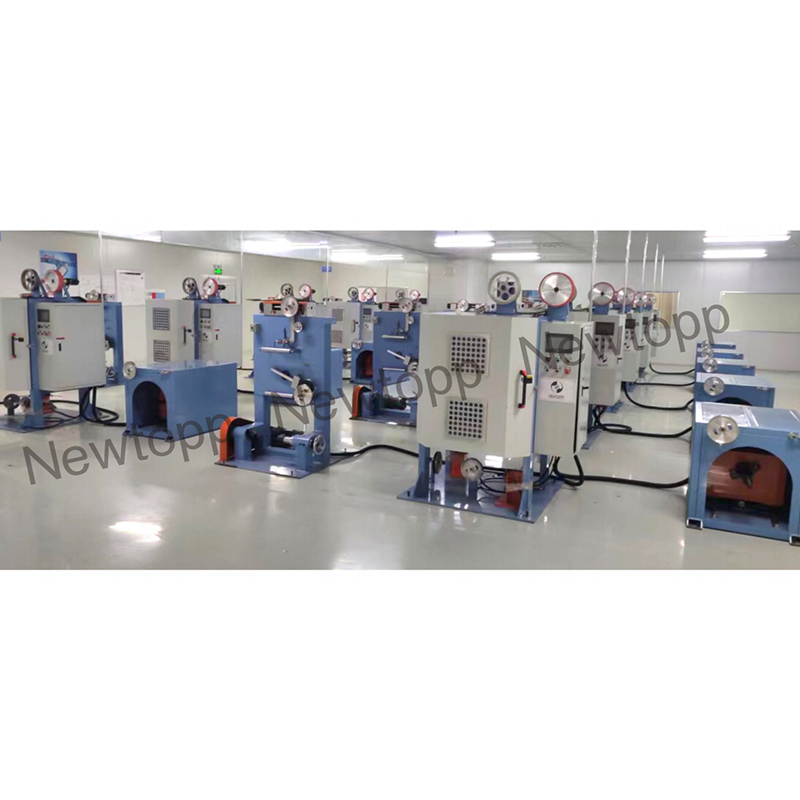
· Capstan and Tension Control: A capstan is used to control the speed and tension of the wire as it moves through the line.
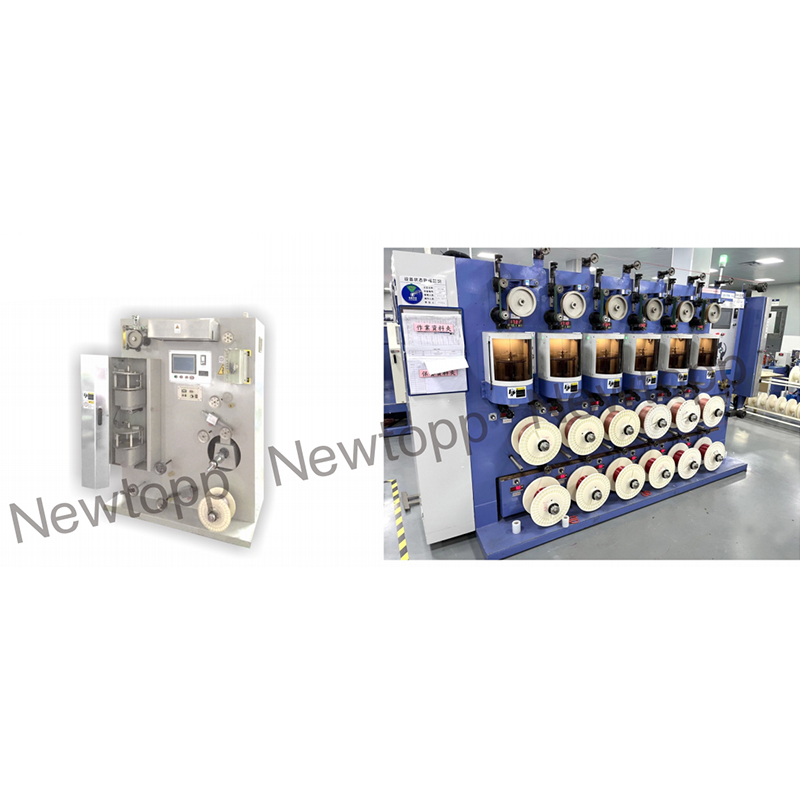
· Take-up: The finished, coated wire is wound onto a spool or reel for storage, packaging, and subsequent testing.
-
Phone
+86 188 2296 5630 +86-(0)515-8510 8601Email
[email protected]
[email protected]
[email protected]
[email protected]
[email protected]
[email protected]Address
No. 168 Haitai Road, Dongtai City, Jiangsu Province, China
Copyright © 2025 Jiangsu NewTopp Precision Machinery Co., Ltd. All Rights Reserved. Wire & Cable Equipment Manufacturer
Robot Cable Production Ancillary Equipment Factory
