

 English
 русский
 Español


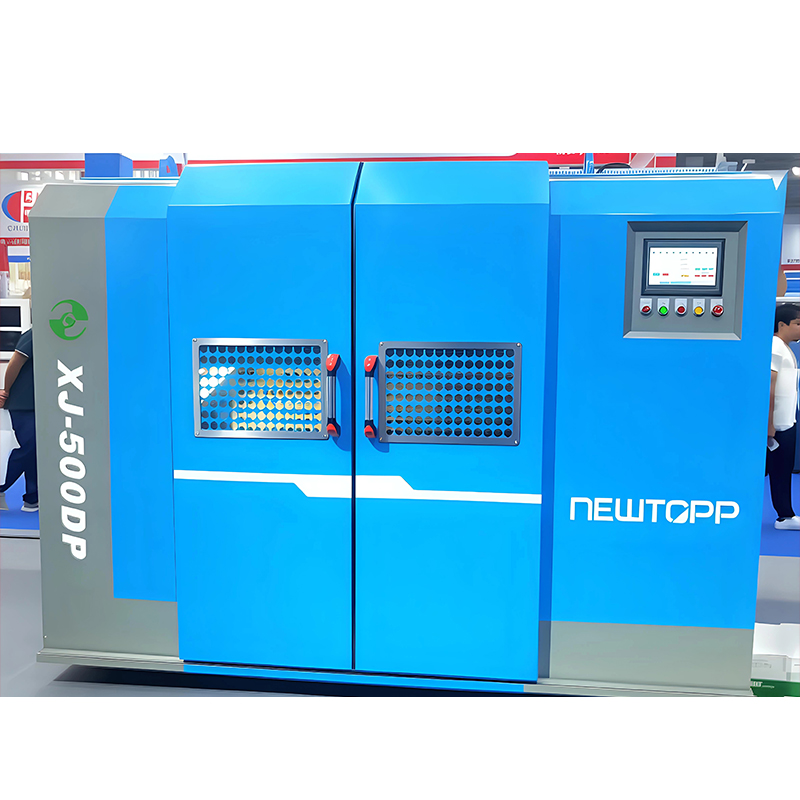
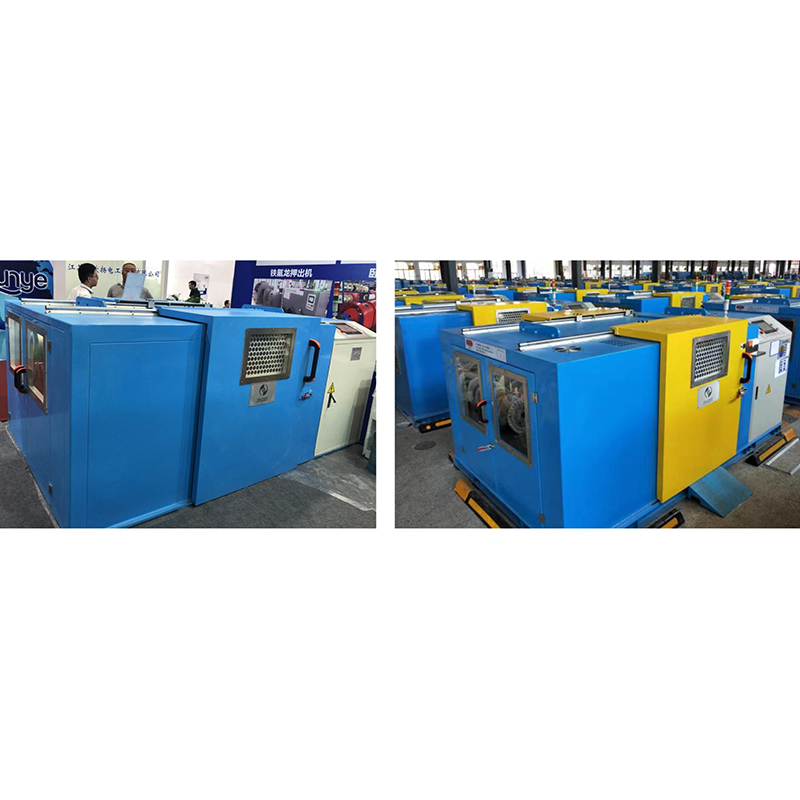
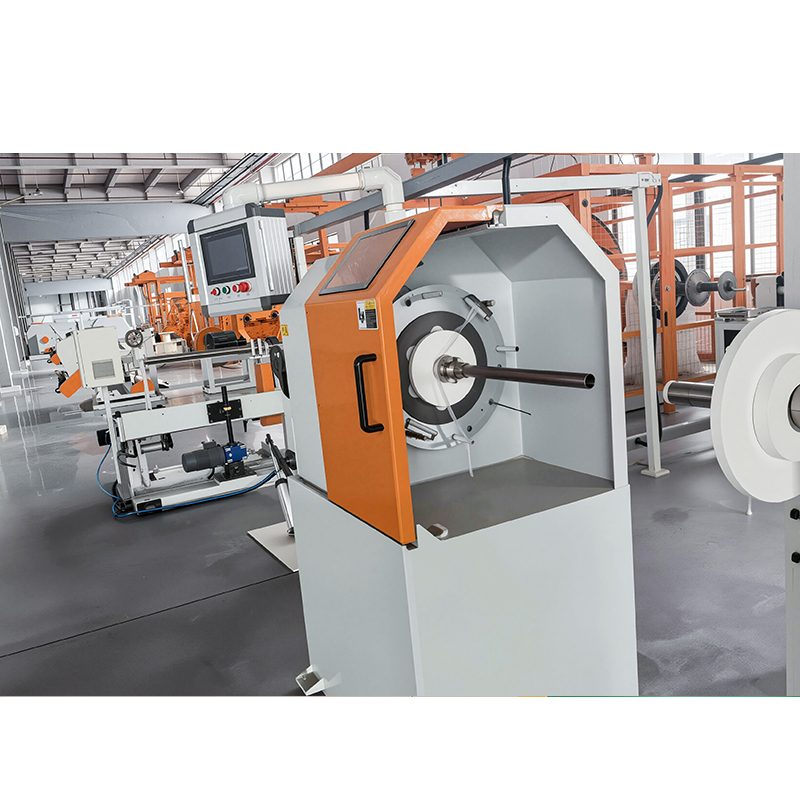
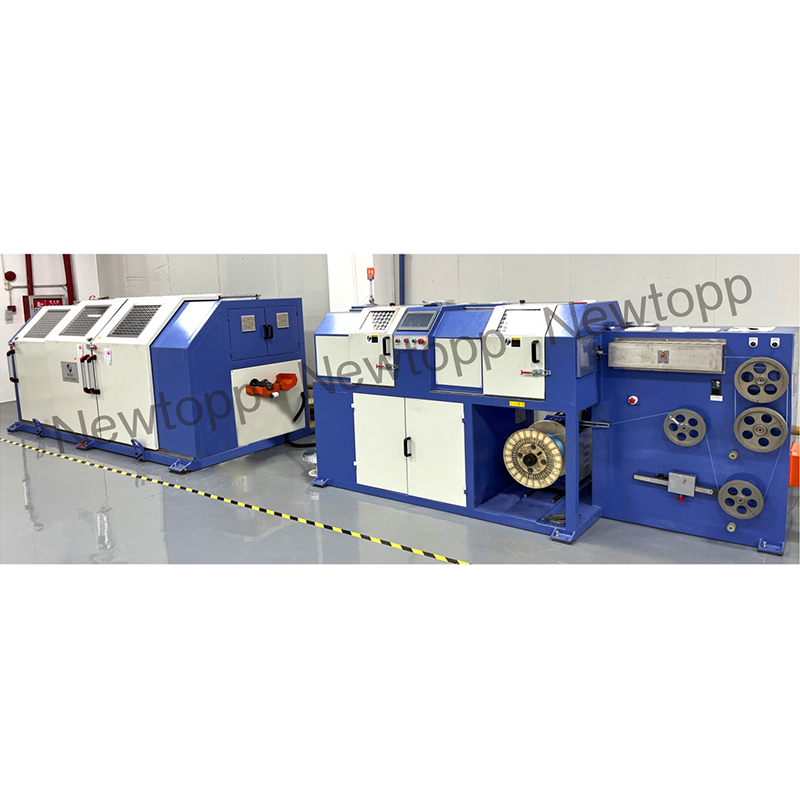
Choosing the right wire stranding machine determines the quality, flexibility, and current-carrying capacity of every stranded conductor produced in your facility. A wire stranding machine twists individual metal wires together into a uniform bundle, and selecting the optimal machine type—whether a double twist buncher, planetary strander, or rigid cage strander—directly impacts production speed, scrap rate, and long-term operational cost. This guide provides an evidence-based look at how these machines work, compares major types with performance data, and answers the most pressing questions facing cable manufacturers and electrical engineers.
Content
- 1 What Is a Wire Stranding Machine?
- 2 How a Wire Stranding Machine Works
- 3 Major Types of Wire Stranding Machines: A Detailed Comparison
- 4 Key Factors for Selecting a Wire Stranding Machine
- 5 Production Speed and Output Comparison
- 6 Applications Across Key Industries
- 7 Cost Analysis and Return on Investment
- 8 Maintenance Best Practices for Long Machine Life
- 9 Automation and Industry 4.0 in Wire Stranding Machines
- 10 Frequently Asked Questions
- 11 Making the Right Investment in a Wire Stranding Machine
What Is a Wire Stranding Machine?
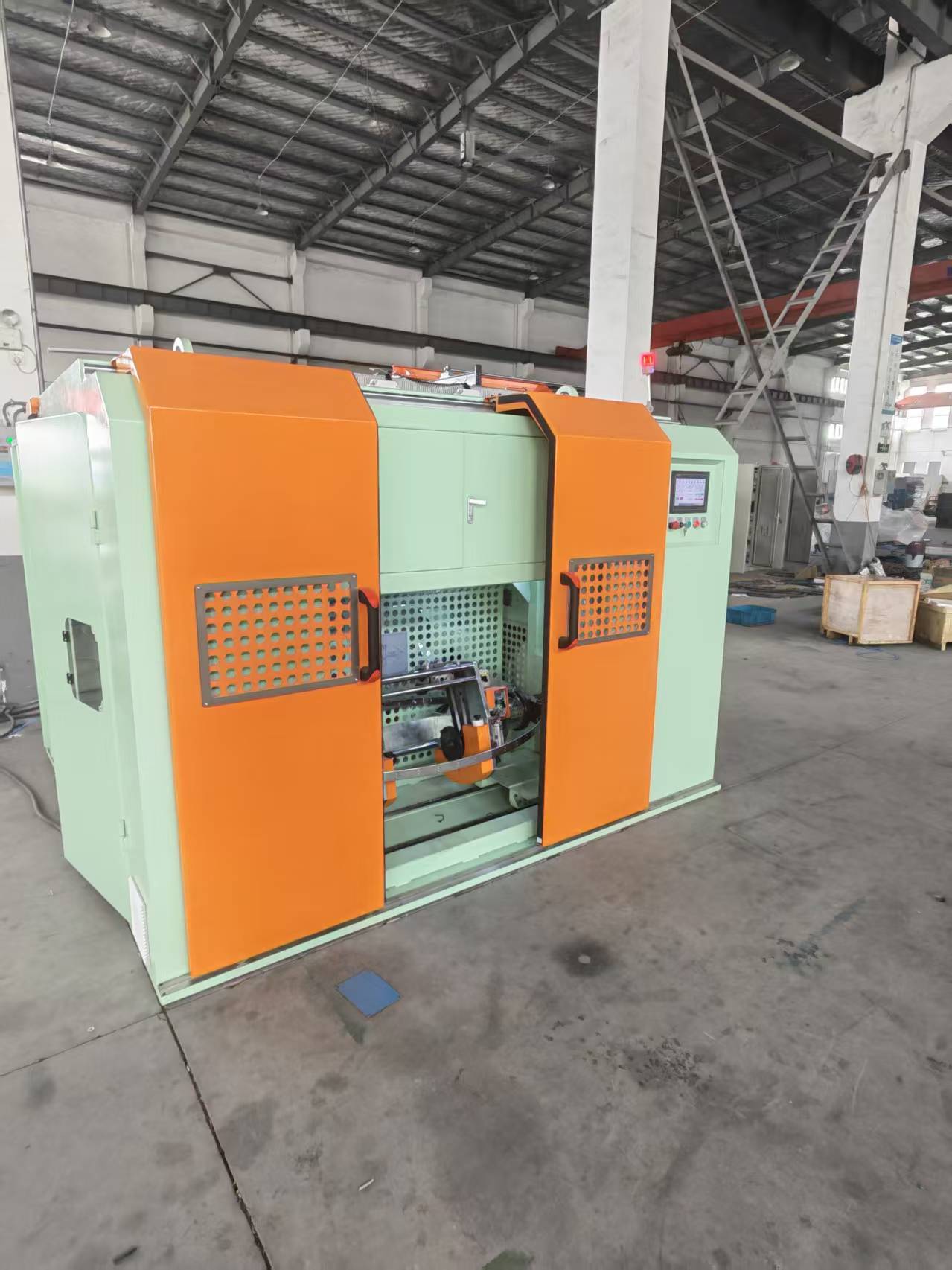
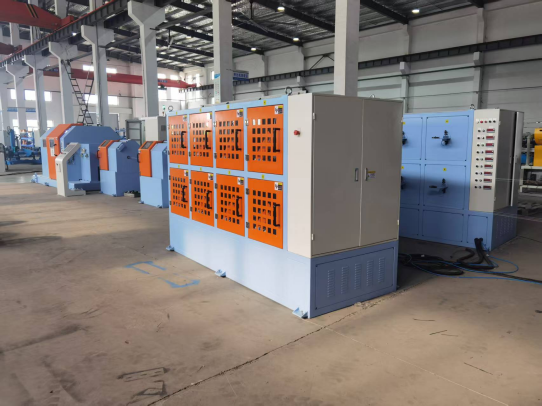
A wire stranding machine is the core piece of equipment that unites multiple single wires into a cohesive stranded conductor with superior mechanical and electrical properties. Unlike a solid conductor, a stranded conductor offers dramatically higher flexibility and resistance to fatigue failure, which is why international standards such as IEC 60228 classify conductors by their stranding class. The machine feeds individual wires from pay-off spools, aligns them through a lay plate or nose cone, and applies a controlled twist to form layers of helically wound strands around a central core.
Modern wire stranding machines handle conductor cross-sections from 0.05 mm² (for ultra-fine medical cables) to over 1000 mm² (for power transmission lines). According to data published by CRU Group in 2025, the global market for stranded copper and aluminum conductors is growing at 3.2% annually, driven by electric vehicle and renewable energy expansion. This growth has pushed manufacturers to adopt faster, more precise wire stranding machines capable of maintaining lay length tolerances within ±1% at line speeds exceeding 200 meters per minute.
How a Wire Stranding Machine Works
The fundamental operating principle of a wire stranding machine involves rotating a set of wire-carrying elements around a longitudinal axis while pulling the assembled strands through a closing die at a precisely controlled rate. The ratio between the rotational speed (twists per minute) and the linear take-up speed defines the lay length, which is the distance required for one strand to complete a 360-degree helix around the core. A shorter lay length yields a more flexible but slightly higher-resistance conductor, while a longer lay length maximizes conductivity and tensile strength.
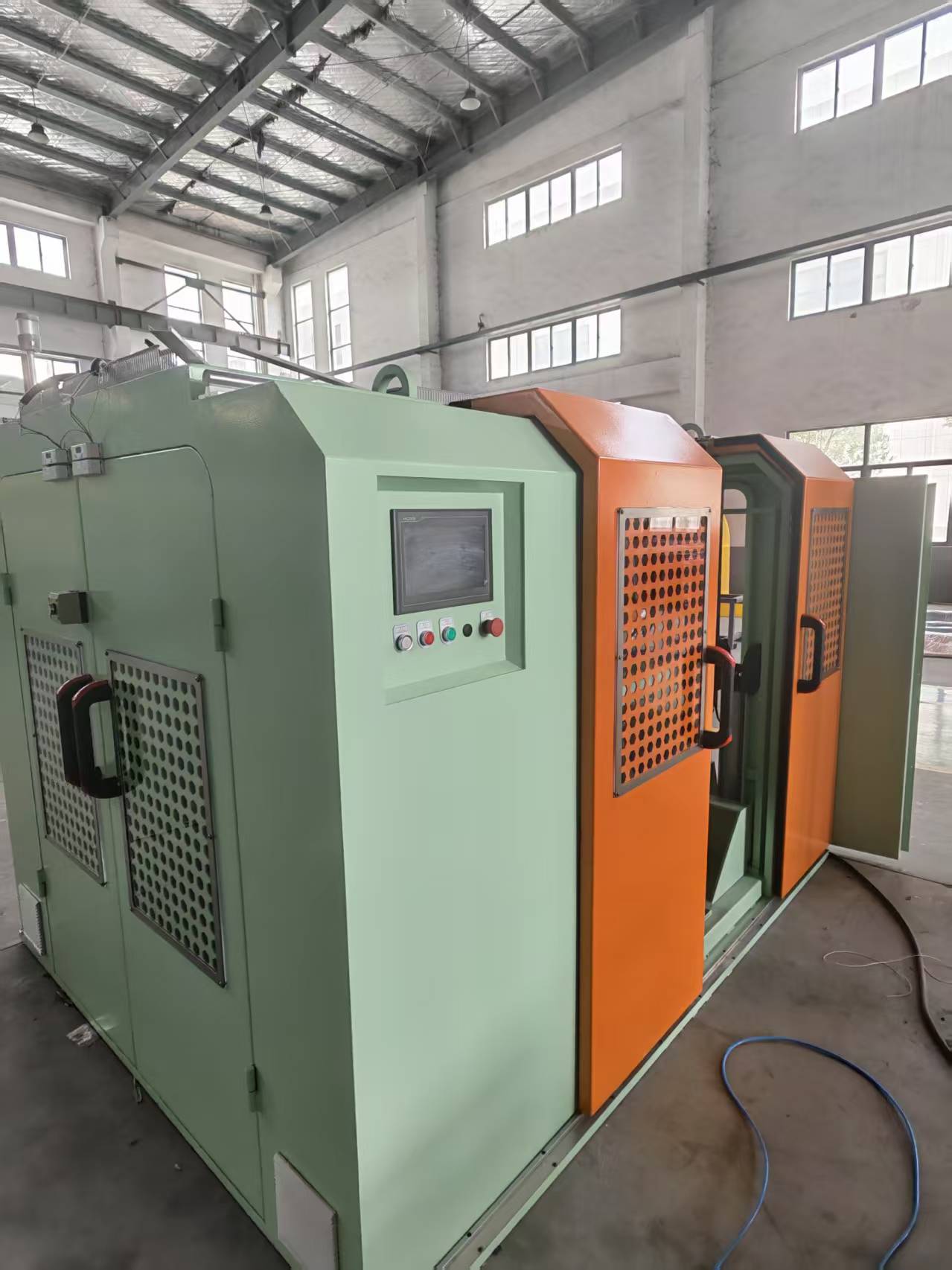
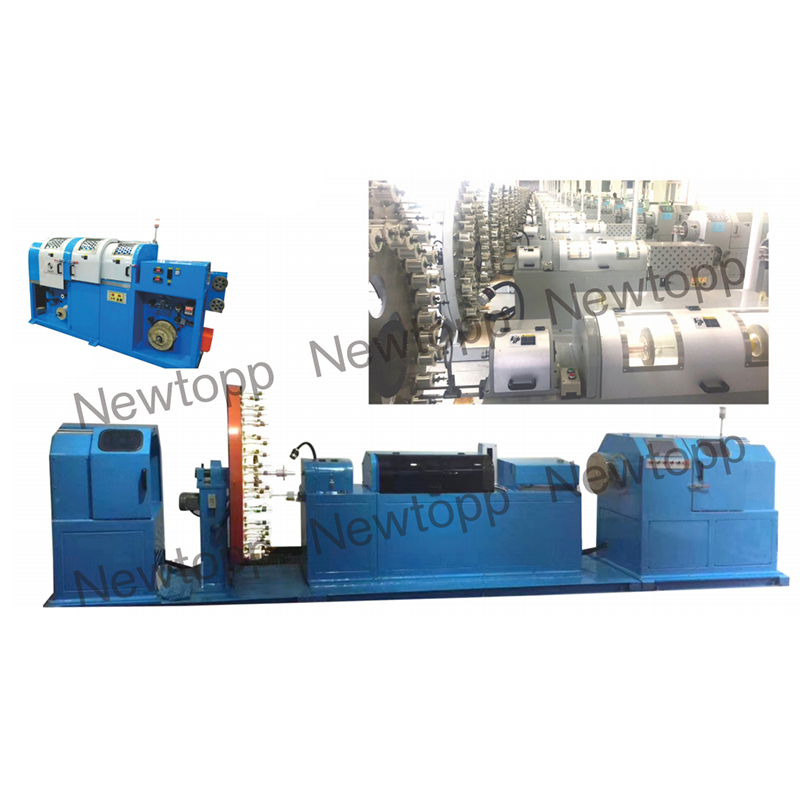
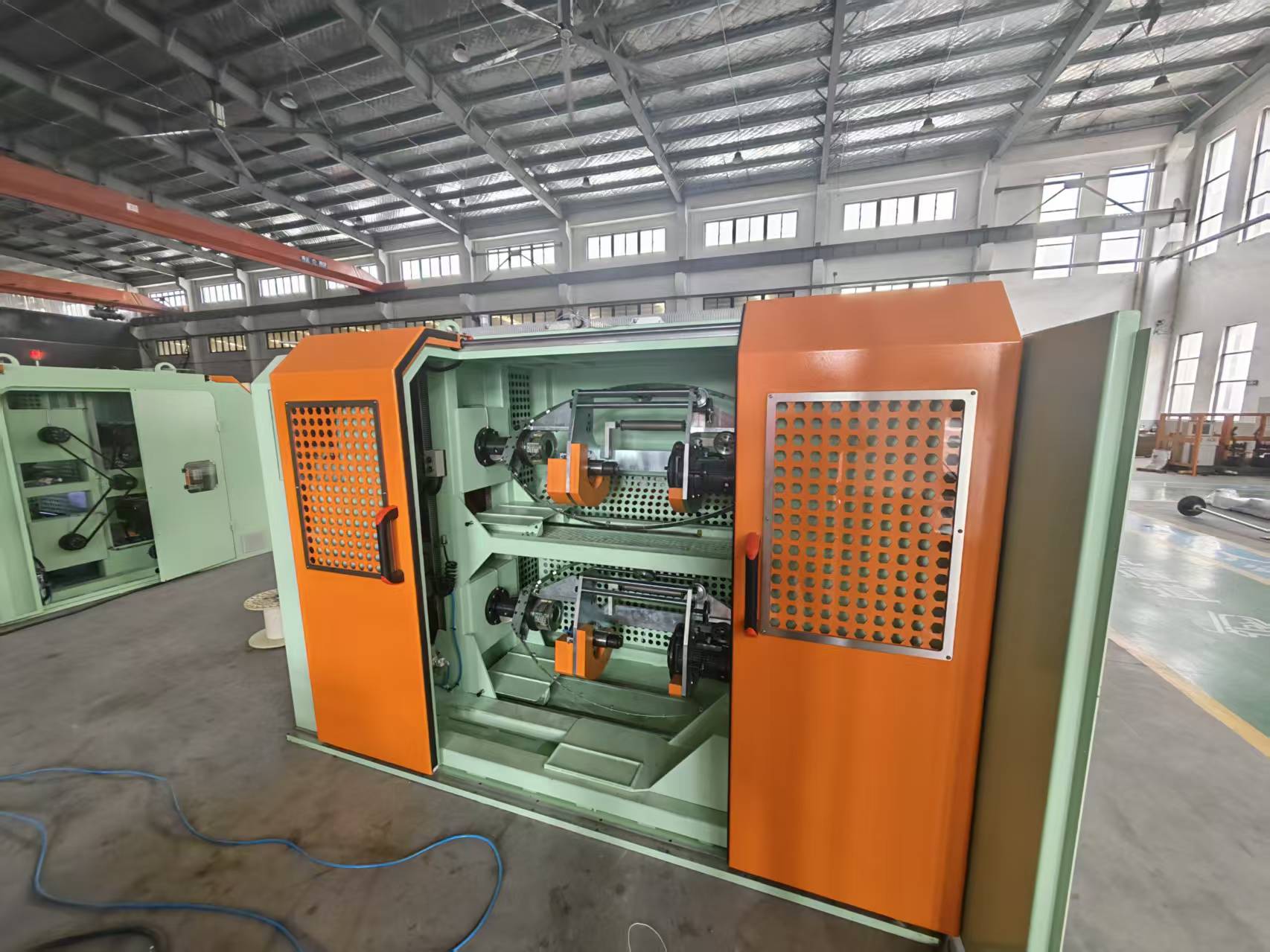
Depending on the design of the wire stranding machine, the twisting motion may be imparted by a rotating bow (in double twist machines), a revolving cage (in rigid stranders), or individually rotating bobbins (in planetary stranders). All types share a common requirement: the individual wires must remain under controlled back-tension to prevent tangling and ensure consistent strand geometry. The entire process is monitored by a programmable logic controller (PLC) that adjusts motor speed and tension in real time. Industry data shows that digital tension control can reduce scrap caused by wire breaks by up to 45% compared with purely mechanical systems.
Major Types of Wire Stranding Machines: A Detailed Comparison
No single wire stranding machine design fits all production scenarios; each machine type targets a specific conductor size range, production volume, and lay length precision requirement. The table below contrasts five widely used configurations, enabling a direct, data-driven evaluation.
| Machine Type | Twisting Method | Conductor Range (mm²) | Max Line Speed (m/min) | Typical Lay Length Precision | Primary Application |
|---|---|---|---|---|---|
| Double Twist Buncher | Rotating bow, two twists per revolution | 0.05 – 16 | Up to 300 | ±2% | Automotive wire, flexible cords |
| Planetary Strander | Individual bobbin rotation, no twist on wire axis | 10 – 630 | Up to 80 | ±0.5% | Power cables, compacted conductors |
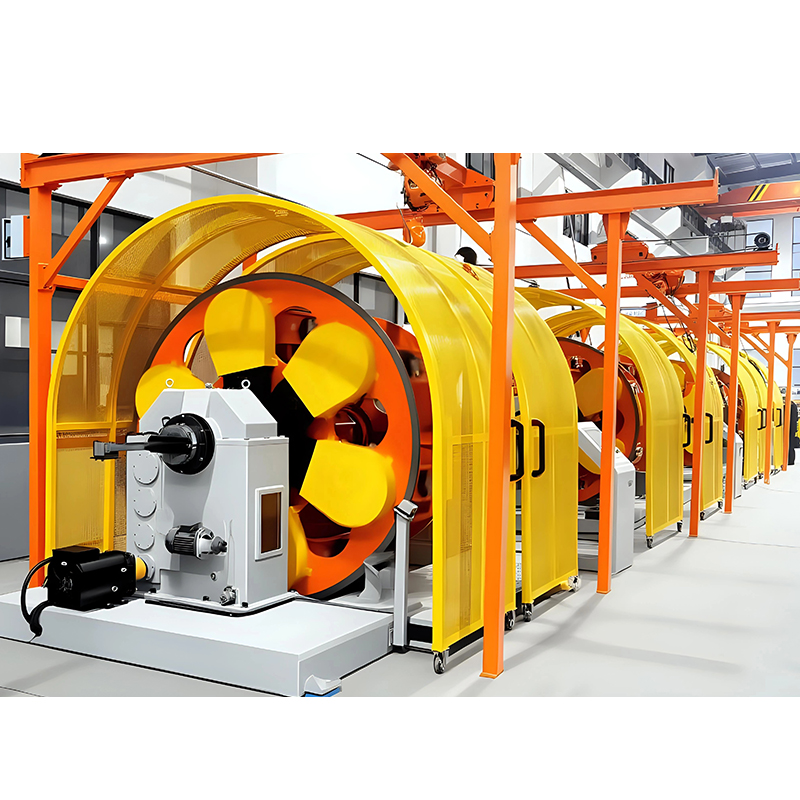
| Rigid Cage Strander | Fixed cage rotates as a unit | 16 – 1200 | Up to 60 | ±1% | Overhead transmission lines |
| Single Twist Strander | One twist per revolution of take-up | 0.5 – 50 | Up to 150 | ±1.5% | Control cables, medium voltage |
| Tubular Strander | Wires pass through a rotating tube | 0.2 – 95 | Up to 200 | ±1% | Instrumentation cable, shielded wire |
Double twist bunchers dominate high-speed production of fine-stranded conductors, while planetary stranders are irreplaceable for unilay and compacted conductors that demand zero twist on individual wires. The selection of a wire stranding machine must also consider the number of bobbins: a 630 mm planetary strander typically accommodates 6, 12, 18, or 24 bobbins, directly determining the maximum number of strands in a layer.
Key Factors for Selecting a Wire Stranding Machine
Your optimal wire stranding machine is defined by five measurable variables: conductor cross-section, desired lay length, production volume, material type, and the need for concentric or bunched stranding. A systematic evaluation following the sequence below will help you avoid costly over-specification or under-capacity mistakes.
- Define the conductor specification. Identify the finished conductor size (mm² or AWG), the number of individual wires, and the strand diameter. For example, a Class 5 flexible conductor per IEC 60228 requires a specific strand count and diameter that dictates the minimum number of bobbins on the wire stranding machine.
- Determine the required lay length and direction. A planetary strander can maintain a lay length as short as 8 times the conductor diameter without damaging the wires, while a double twist buncher works best with lay ratios of 10:1 to 20:1. Lay direction (S or Z) is set electronically on modern machines.
- Calculate target output in kilograms per hour. For a double twist buncher producing 1.5 mm² stranded wire at 250 m/min, output can reach approximately 45 kg/h. Use this figure to ensure the wire stranding machine can meet your order book capacity.
- Assess material compatibility. Copper, aluminum, and tinned conductors each require specific bow or roller materials to prevent surface damage. Aluminum stranding, for instance, benefits from ceramic-coated guides to reduce oxide dust accumulation.
- Evaluate automation and changeover time. Machines with automatic bobbin loading and laser lay length measurement can reduce changeover time from 45 minutes to under 10 minutes, a critical advantage for short-run production.
Production Speed and Output Comparison
Production output of a wire stranding machine is fundamentally limited by the mechanical speed of the rotating components and the take-up capacity. The table below provides realistic output data for three common configurations, based on actual manufacturer specifications for 1.5 mm² stranded copper conductor.
| Machine Type | Line Speed (m/min) | Output (kg/h) | Energy Consumption (kW) | Scrap Rate (%) |
|---|---|---|---|---|
| Double Twist Buncher | 280 | 48.5 | 15 | 0.8 |
| Planetary Strander (12 bobbin) | 70 | 22.0 | 22 | 0.3 |
| Rigid Cage Strander | 55 | 18.2 | 30 | 0.5 |
The double twist buncher achieves nearly twice the output of a planetary strander for the same cross-section, but the planetary design reduces scrap rate by more than 60%. This trade-off between speed and precision is at the heart of every wire stranding machine purchasing decision.
Applications Across Key Industries
The end-use sector dictates the stranding class and therefore the specific wire stranding machine technology required. The following sectors rely on stranded conductors produced by these machines:
- Automotive wire harnesses – Double twist bunchers produce the thin-wall, highly flexible stranded conductors needed for engine compartment wiring, where vibration resistance is paramount.
- Power transmission and distribution – Rigid cage and planetary stranders manufacture compacted concentric conductors for medium- and high-voltage cables up to 500 kV, ensuring uniform current distribution.
- Renewable energy systems – Solar farm and wind turbine cabling requires finely stranded, tinned copper conductors produced on high-speed bunchers to resist corrosion and thermal cycling.
- Railway and mass transit – Rolling stock cables demand extremely flexible conductors (Class 6 per IEC 60228) that are often fabricated on planetary machines to achieve the ultra-fine strand counts.
- Medical devices and robotics – Ultra-fine stranding below 0.05 mm² uses specialized tubular or single twist stranders to avoid breakage of delicate copper or copper-alloy wires.
Cost Analysis and Return on Investment
A wire stranding machine represents a significant capital investment, but a detailed total-cost-of-ownership analysis often reveals that a higher-priced machine with precision control pays for itself within three years through reduced scrap and faster changeovers. The table below compares the five-year cost structure for a double twist buncher versus a planetary strander, assuming single-shift operation producing 200 tonnes of stranded copper annually.
| Cost Category | Double Twist Buncher | Planetary Strander (12 bobbin) |
|---|---|---|
| Initial Equipment Cost (USD) | $85,000 | $210,000 |
| Annual Energy Cost (at $0.12/kWh) | $2,160 | $3,170 |
| Average Scrap Loss per Year | $4,600 | $1,800 |
| Typical Maintenance Cost / Year | $3,200 | $4,800 |
| Total 5-Year Operating Cost | $135,800 | $258,650 |
For manufacturers specializing in automotive thin-wall conductors, the double twist buncher delivers the lowest cost per kilogram. For utilities requiring compacted concentric conductors, the planetary wire stranding machine remains the only technically viable choice despite its higher upfront cost.
Maintenance Best Practices for Long Machine Life
Preventive maintenance on a wire stranding machine is centered on three elements: bow or cage bearing inspection, tension sensor calibration, and wire guide wear monitoring. Even minor deviations in these components can introduce lay length errors and conductor damage. A structured maintenance routine yields measurable results; a 2022 survey of 47 cable plants by the Wire Association International found that facilities with weekly preventive maintenance reported 27% fewer unplanned downtime events than those with monthly checks.
- Inspect bow bearings and carbon brushes every 200 operating hours. In a double twist buncher, worn bow bearings cause vibration that directly impacts lay length consistency. Replace bearings that show radial play exceeding 0.02 mm.
- Calibrate dancer arm and tension sensors monthly. Tension deviation of more than 5% between individual wires results in uneven stranding and can create high-resistance spots in the finished conductor.
- Replace ceramic or hardened steel wire guides at the first sign of grooving. A groove depth greater than 0.1 mm can abrade the wire surface and introduce oxide particles into the strand, reducing conductivity.
- Lubricate gears and traversing mechanisms according to OEM schedule. Use the specified grease grade; mismatched lubricants can lead to overheating of the gearbox in as few as 500 hours of continuous operation.
- Verify lay length using a laser measurement system weekly. Periodic drift in lay length often indicates a slipping capstan or a worn encoder coupling, which can be corrected before it produces out-of-spec product.
Automation and Industry 4.0 in Wire Stranding Machines
The latest wire stranding machines integrate real-time lay length monitoring, predictive maintenance algorithms, and automatic bobbin change systems to push overall equipment effectiveness (OEE) above 85%. Vibration sensors on the bow and motor bearings feed data to a central controller that predicts bearing failure up to 60 hours in advance, allowing scheduled replacement instead of emergency shutdown. Automated bobbin loading reduces operator intervention from 12 manual changes per shift to zero, virtually eliminating the most common cause of setup-related strand breaks.
From a quality standpoint, laser micrometer arrays continuously measure the diameter of the stranded conductor and compare it against the target value. If the diameter drifts by more than 0.02 mm, the PLC adjusts capstan speed or bobbin tension to correct the error. According to a 2024 technical paper presented at the International Wire & Cable Symposium, this closed-loop control reduced diameter variation by 68% compared to conventional open-loop machines. As connectivity standards such as OPC UA become universal, every wire stranding machine can now communicate directly with the plant manufacturing execution system, providing traceability down to the individual reel level.
Frequently Asked Questions
What is the difference between bunching and concentric stranding?
Bunching, performed on a double twist wire stranding machine, twists all wires together in the same direction without a defined geometric layer structure. Concentric stranding, typically done on a planetary or rigid strander, arranges wires in precise helical layers around a central core. Concentric conductors have a smoother surface and more uniform current distribution, while bunched conductors are more flexible and faster to produce.
How does lay length affect conductor performance?
Lay length has a direct inverse relationship with flexibility and a direct relationship with conductivity. A short lay length (e.g., 8–12 times the outer diameter) increases flexibility but slightly raises electrical resistance because the current path becomes longer. In a wire stranding machine, the lay length is set by the ratio of take-up speed to rotator RPM, and it must remain within the tolerance specified by standards such as ASTM B8 for concentric-lay-stranded copper conductors.
Can one machine strand both copper and aluminum?
Yes, most modern wire stranding machines can process both copper and aluminum, but the wire guides, capstan sleeves, and tension settings must be adapted. Aluminum's lower tensile strength and tendency to generate oxide dust require reduced back-tension (typically 10–15% lower than for copper) and the use of ceramic or polished stainless steel contact surfaces to prevent galling.
What are the signs that a stranding machine needs bearing replacement?
Increased vibration felt on the machine frame, a rhythmic noise change during operation, and a drift in lay length outside of ±2% without a corresponding PLC command all indicate potential bearing wear. On a double twist wire stranding machine, the bow bearings should be replaced when vibration velocity exceeds 4.5 mm/s RMS, as measured on the bearing housing.
Making the Right Investment in a Wire Stranding Machine
Selecting a wire stranding machine is fundamentally a decision about balancing speed against geometric precision, and capital cost against scrap loss. For high-volume production of flexible conductors below 10 mm², a double twist buncher offers unmatched output per dollar. For power cables and compacted concentric conductors, a planetary or rigid cage strander is not just preferable but technically necessary to meet international standards. By aligning your production requirements with the data and comparisons presented here, you can specify a wire stranding machine that will deliver consistent quality and a strong return on investment well into the next decade.