

 English
 русский
 Español

Industry News
Home / News / Industry News / What Are the Safety Considerations When Operating a Cable Stranding Machine?
Home / News / Industry News / What Are the Safety Considerations When Operating a Cable Stranding Machine?
NEWS


What Are the Safety Considerations When Operating a Cable Stranding Machine?
2026-03-24
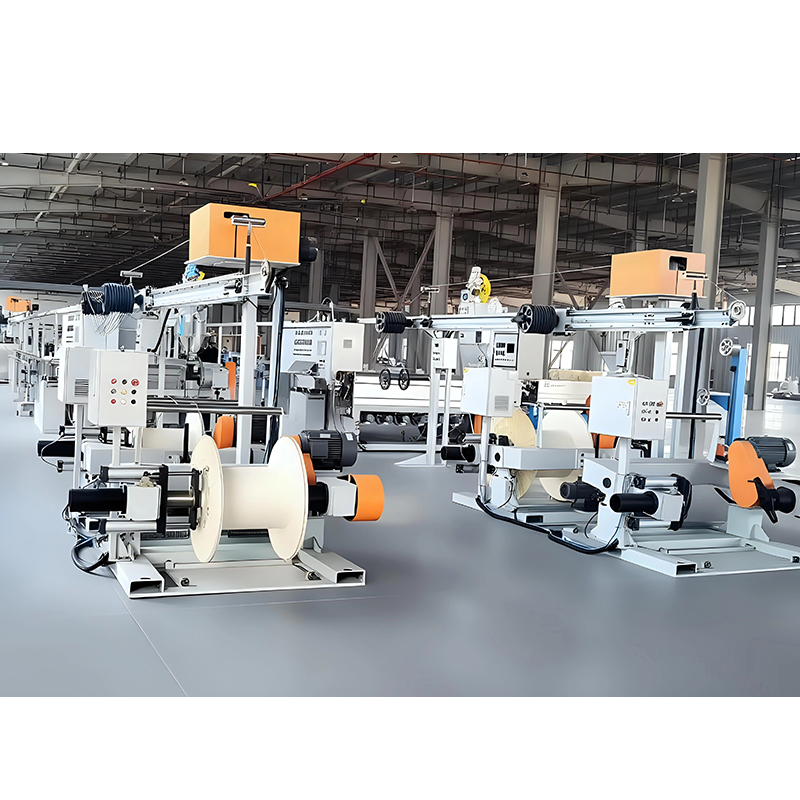
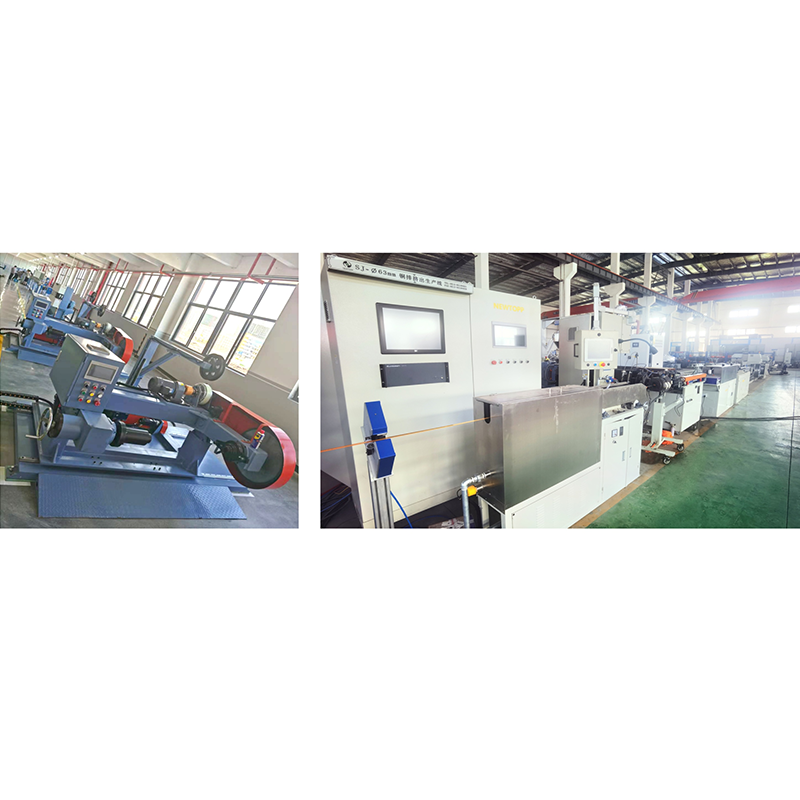
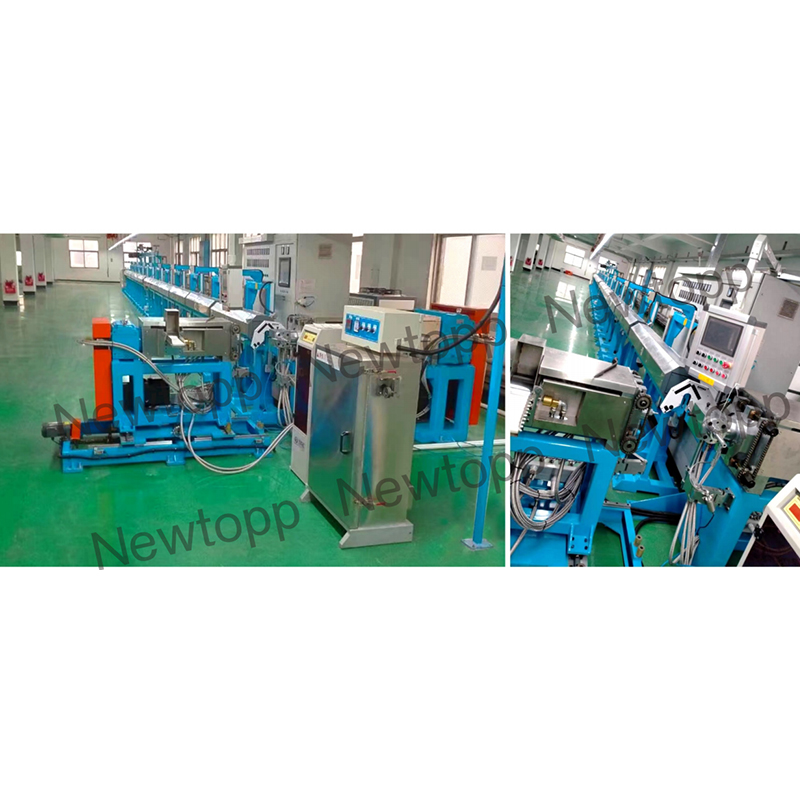
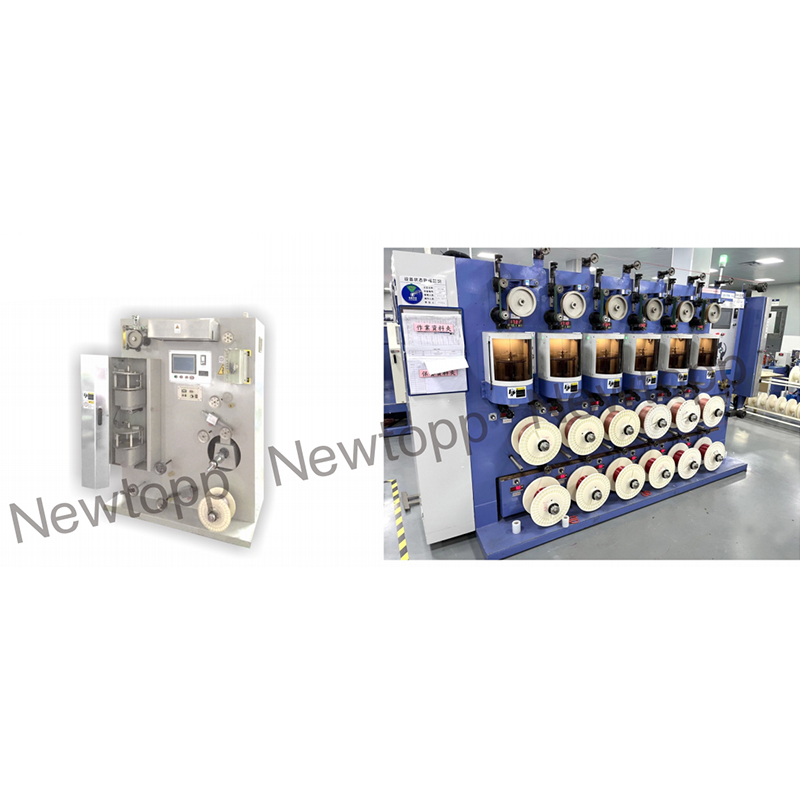
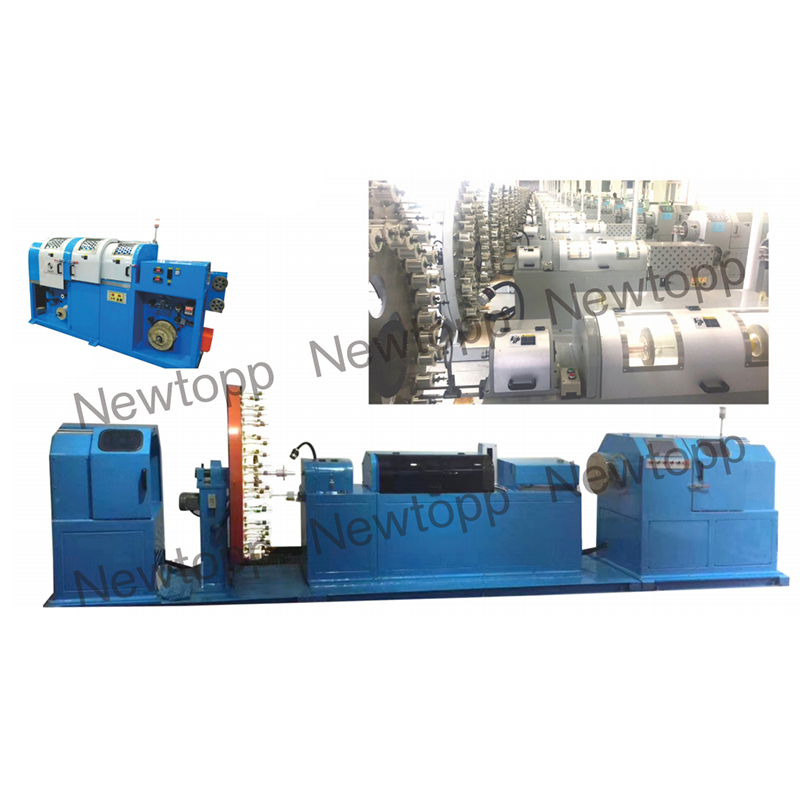
The operation of a Cable Stranding Machine requires strict adherence to safety protocols. Ensuring worker safety, preventing equipment damage, and maintaining production efficiency all depend on careful attention to operational procedures and preventive measures.
Content
Introduction to Cable Stranding Machine Safety
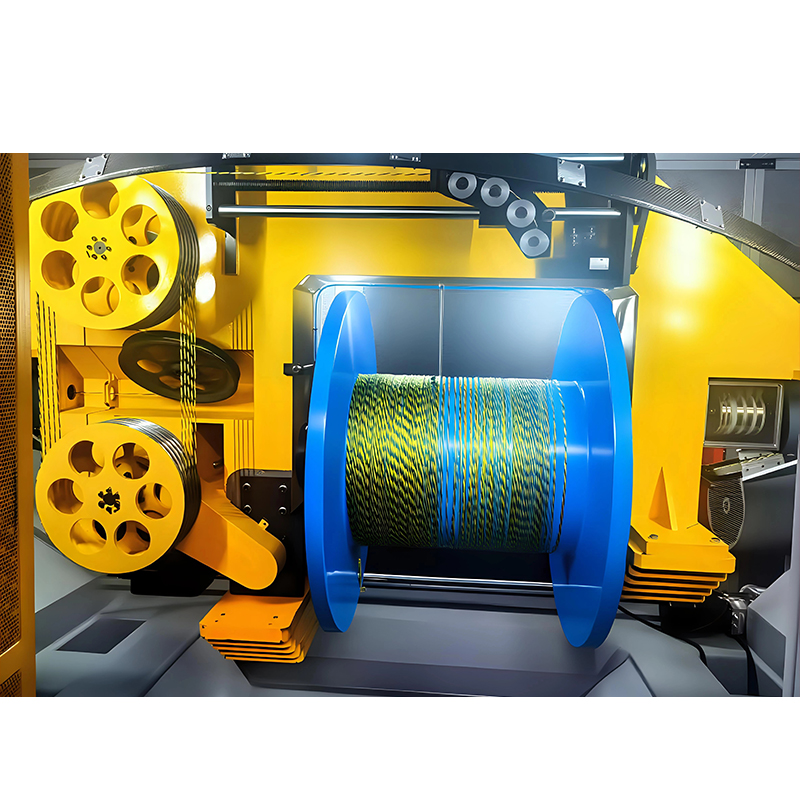
The Cable Stranding Machine is designed to twist multiple wires together to form a robust cable. While these machines enhance productivity, their moving components, high tension, and electrical requirements pose potential hazards. Therefore, understanding safety considerations is crucial for operators and maintenance personnel.
Key Safety Considerations
1. Proper Training for Operators
Before operating a Cable Stranding Machine, personnel should complete a comprehensive training program, which includes:
- Understanding machine components and their functions.
- Recognizing potential hazards such as pinch points and rotating parts.
- Learning emergency stop procedures.
- Familiarization with personal protective equipment (PPE) requirements.
2. Use of Personal Protective Equipment (PPE)
Proper PPE is essential to protect operators from mechanical, electrical, and thermal hazards. Recommended PPE includes:
- Safety gloves resistant to cuts and abrasions.
- Protective eyewear to prevent injuries from wire fragments.
- Hearing protection if noise levels exceed recommended limits.
- Non-slip footwear for stability near heavy equipment.
3. Machine Guarding and Safety Devices
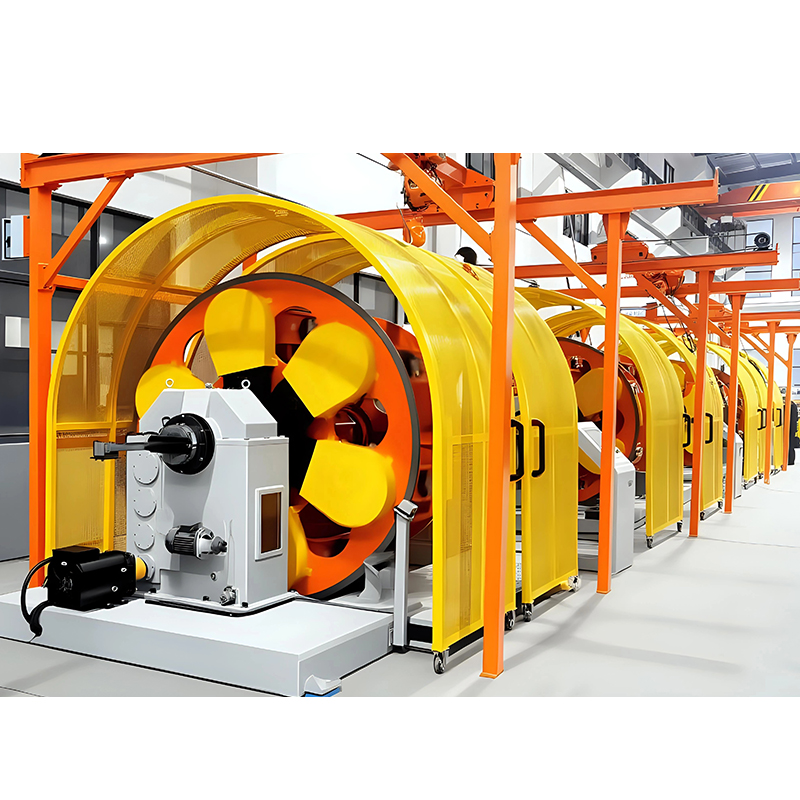
All Cable Stranding Machines should be equipped with appropriate guards and safety devices:
- Emergency stop buttons located within easy reach.
- Interlocking guards to prevent access to rotating components during operation.
- Warning labels indicating high-risk areas and pinch points.
4. Regular Maintenance and Inspection
Routine inspections and maintenance are critical to prevent mechanical failures that could lead to accidents. Key practices include:
- Checking wire guides and spools for wear or damage.
- Lubricating moving parts to avoid overheating and friction.
- Inspecting electrical components for insulation damage or loose connections.
5. Safe Work Environment
Maintaining a clean and organized workspace reduces the risk of slips, trips, and falls around the Cable Stranding Machine. Ensure:
- Floor areas are free from loose wires, oil, or debris.
- Adequate lighting to clearly see machine components.
- Proper ventilation to manage heat generated during operation.
Comparison of Safety Practices for Different Cable Stranding Machines
| Machine Type | Key Safety Considerations | Potential Risks |
|---|---|---|
| Single-Strand Stranding Machine | Proper PPE, spool guarding, regular lubrication | Wire snapping, entanglement in rotating parts |
| Multi-Strand Stranding Machine | Advanced guarding, emergency stops, operator training | Pinch points, electrical hazards, multiple wire entanglement |
| High-Speed Stranding Machine | Noise protection, vibration monitoring, interlock systems | High-speed mechanical injury, hearing damage, thermal burns |
Operational Safety Guidelines
Pre-Start Checklist
Before starting a Cable Stranding Machine, operators should:
- Verify all guards and interlocks are in place.
- Ensure electrical connections are secure and compliant with safety standards.
- Confirm that emergency stop buttons function correctly.
- Check for any foreign objects or obstructions on the machine.
During Operation
While the machine is running, operators should:
- Never bypass safety guards or attempt to clear jams while in motion.
- Maintain a safe distance from rotating and moving components.
- Monitor tension and alignment to prevent cable snapping or mis-stranding.
- Use tools specifically designed for adjustments to reduce hand injuries.
Post-Operation Protocols
After completing operations, follow these steps:
- Turn off the machine and disconnect the power supply.
- Allow the machine to cool if it operates at high temperatures.
- Perform routine inspection and cleaning of components.
- Document any maintenance or observed hazards for future reference.
Common Hazards and Prevention Measures
| Hazard | Cause | Prevention |
|---|---|---|
| Wire Entanglement | Loose wires near rotating parts | Install guards, use proper spooling techniques |
| Electrical Shock | Exposed wiring or faulty insulation | Regular electrical inspection, grounding, PPE |
| Pinch Points | Moving rollers and gears | Guarding, safety interlocks, operator training |
| Overheating | Insufficient lubrication or high-speed friction | Routine maintenance, temperature monitoring, proper lubrication |
FAQ About Cable Stranding Machine Safety
Q1: Can operators work without PPE?
A1: No. PPE is mandatory to prevent injuries from wire snapping, pinch points, and electrical hazards.
Q2: How often should maintenance be performed?
A2: Maintenance should be conducted daily for critical parts and weekly for full machine inspection, depending on operational frequency.
Q3: What should I do if a wire jam occurs?
A3: Immediately stop the machine using the emergency stop. Never attempt to clear a jam while the machine is running.
Q4: Are high-speed machines more dangerous?
A4: Yes, high-speed Cable Stranding Machines pose additional risks due to higher kinetic energy, increased pinch points, and thermal hazards. Proper guarding and PPE are critical.
Q5: How can I reduce noise exposure?
A5: Use appropriate hearing protection, implement sound-dampening measures around the machine, and maintain equipment to prevent excessive vibration noise.
Conclusion
Ensuring safety when operating a Cable Stranding Machine requires comprehensive training, adherence to operational protocols, use of PPE, proper machine guarding, and regular maintenance. By following these guidelines, operators can minimize risks, prevent accidents, and maintain efficient production. Continuous evaluation and implementation of safety measures are essential for creating a safe working environment in any cable manufacturing facility.
-
Phone
+86 188 2296 5630 +86-(0)515-8510 8601Email
[email protected]
[email protected]
[email protected]
[email protected]
[email protected]
[email protected]Address
No. 168 Haitai Road, Dongtai City, Jiangsu Province, China
Copyright © 2025 Jiangsu NewTopp Precision Machinery Co., Ltd. All Rights Reserved. Wire & Cable Equipment Manufacturer
Robot Cable Production Ancillary Equipment Factory
